Difference Between Raw Sugar And Granulated Sugar

So, picture this. It’s a lazy Sunday morning, and I’m feeling like a domestic god, ready to bake a batch of my grandmother’s snickerdoodles. I reach into the pantry, grab a ba...
So, picture this. It’s a lazy Sunday morning, and I’m feeling like a domestic god, ready to bake a batch of my grandmother’s snickerdoodles. I reach into the pantry, grab a bag that looks like sugar, and dump a cup into the mixer. Big mistake. Ten minutes later, the dough is a weird, clumpy, dark-beige mess that tastes more like a damp forest than a cookie. That’s when I looked at the bag: Raw Sugar.
I had completely sabotaged my own baking project, and all because I assumed “sugar is sugar.” If you’ve ever stood in the baking aisle wondering if you’re making a similar mistake, this one’s for you. We’re going to clear up the crunchy, sweet confusion between raw sugar and plain old granulated sugar.
The Tale of Two Grains
Let’s start with the guy you probably know: Granulated sugar. This is your standard, white, table sugar. It’s been refined to remove all the molasses, leaving behind pure, sweet sucrose crystals.
Must Read
On the other side of the ring, we have Raw sugar. Think of it as granulated sugar’s slightly edgy, unpolished cousin. It’s made from the same sugarcane juice, but it goes through less processing, so it retains some of that natural molasses.
This leftover molasses isn’t just for color—it brings a tiny flavor profile you don’t get from white sugar. We’re talking subtle hints of caramel or toffee, though it’s pretty mild.
Size, Color, and Crunch (The Obvious Stuff)
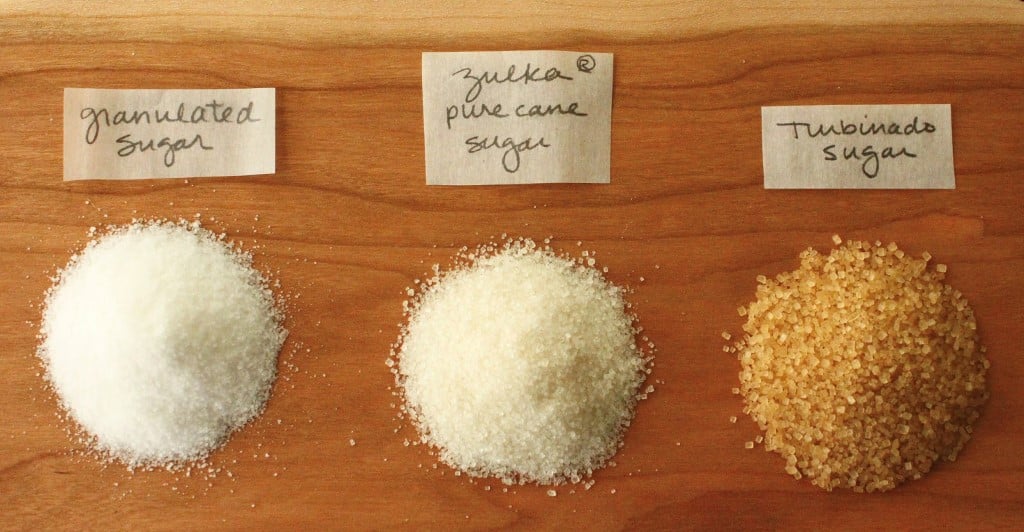
If you put them side by side, the difference is almost funny. Granulated sugar looks like tiny, uniform grains of white sand. Raw sugar looks like amber-colored gravel. Seriously, the crystals are much larger and have a golden-brown tint.
That texture is a big deal. Because raw sugar crystals are bigger and coarser, they don’t dissolve as easily. This is why my cookies were a disaster. They need heat and liquid to fully melt, while granulated sugar just quietly vanishes into your batter.
So, when you sprinkle raw sugar on top of muffins or creme brûlée, that’s genius. You get a lovely, audible crunch. But trying to cream it with butter for a cake? You’re going to have a bad time.
The Sugar Swap Test
Here’s the million-dollar question: Can you swap them? Technically, yes. Practically, it’s tricky. If you’re just stirring it into coffee or tea, go ahead. In fact, raw sugar might add a nice, subtle toastiness to your morning brew.
But if you’re baking, the rules change. Using raw sugar in a delicate cookie or a fluffy sponge cake will mess with the structure. Because it holds more moisture than granulated sugar, your baked goods can turn out denser or even gummy.
Plus, remember those big crystals? They can create air pockets that lead to uneven browning. Your cookies might look like they have a strange, spotty tan. Not exactly the aesthetic you’re going for.
 The difference between unrefined, raw, and refined sugars
The "Health" Elephant in the Room
Okay, let’s address the elephant—or the marketing hype. Is raw sugar healthier? The short answer? Barely. It does contain trace amounts of minerals like calcium and iron from the molasses, but we’re talking microscopic amounts.
You’d have to eat a mountain of raw sugar to get the same nutrients you’d find in a single bite of broccoli. Your body can’t tell the difference. It’s still pure sucrose, and it will spike your blood sugar all the same.
Plenty of people claim raw sugar is “natural” and granulated is “chemical.” Look, both come from a plant. Both are processed. One is just more processed. If you’re buying raw sugar for a health kick, you might be better off saving your money for an actual vegetable.
The Final Crunch: When to Use Each
Think of it this way: Granulated sugar is your reliable workhorse. Use it for anything where you want a clean, neutral sweetness—muffins, cakes, custards, and sauces. It dissolves silently and does its job.
Raw sugar is your textural specialist. It shines on top of things. Use it as a crunchy topping for oatmeal, pie crusts, or baked fruit. It’s also amazing in rubs for meat, where the larger crystals add a nice crust.
One pro tip: If you must substitute raw for granulated in a recipe, grind it in a food processor first. You’ll break down those giant crystals so they behave more like their white cousin. It’s a hack, but it works.
The Verdict (And a Confession)
So, which one should you buy? Honestly? Get both. Keep a big bag of granulated for everyday baking and cooking. Then, pick up a small container of raw sugar for garnishing or for your morning coffee.
And if you’re like me and you accidentally buy the wrong one? Don’t panic. Remember that ruined snickerdoodle batch? I actually turned it into a crumble topping for some ice cream. Crisis averted.
The bottom line is: They’re not the same, but they don’t have to be enemies. Understanding their quirks just makes you a smarter cook. Now go grab your sweetener of choice and make something delicious—just read the label first, okay?
