Does Eating Cheese Give You Bad Dreams

Let’s talk about bedtime snacks and the strange worlds they create. You’ve probably heard the old wives’ tale. Eat cheese before bed, and you’ll be haunted by nightmares. Is i...

Let’s talk about bedtime snacks and the strange worlds they create. You’ve probably heard the old wives’ tale. Eat cheese before bed, and you’ll be haunted by nightmares. Is it true, or just a cheesy myth?
The Great Cheese Conspiracy
This rumor has been around for centuries. People swear that a slab of Stilton leads to terrifying dreams. It’s a fun idea, but is there any science behind it?
Actually, the link is surprisingly weak. Most studies show no direct connection between cheese and bad dreams. So why does everyone believe it?
Must Read
Blame the British Cheese Board
In 2005, the British Cheese Board decided to test this myth. They gave 200 volunteers a 20-gram piece of cheese before bed. The results were hilarious.
Only one person reported a nightmare. Most people had pleasant dreams or nothing at all. The board’s conclusion? Cheese doesn’t cause nightmares. It might actually help you sleep better.
But wait—there’s a twist. The type of cheese might matter. Blue cheese gave some people bizarre, vivid dreams. Cheddar led to dreams about celebrities. It’s a quirky pattern, not a curse.
The Science of Sleep and Snacks
Your brain is a busy factory at night. It processes everything you ate, did, and worried about. A heavy meal before bed—cheese or not—can mess with your sleep.
Cheese contains tryptophan, an amino acid that helps make serotonin. That’s a calming chemical. In theory, it should promote good dreams, not bad ones.
But cheese also has tyramine, which can boost brain activity. Some people’s systems react to tyramine with a jolt. That jolt might wake you up, making you recall a random dream as a nightmare.
The Real Culprit: Your Belly
Here’s the funny part. Digestion is the real villain. Eating a huge wedge of cheese right before bed makes your gut work overtime.
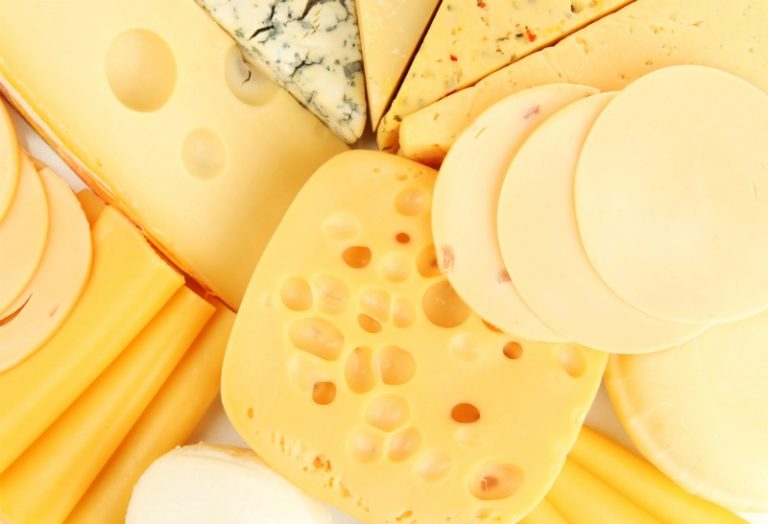 Does Eating Cheese Before Bed Really Give You Nightmares?
That struggling stomach can trigger indigestion. Discomfort sends signals to your brain, and your brain turns them into scary stories. It’s not the cheese—it’s the heavy meal.
So a tiny nibble of Gouda is harmless. A massive cheese plate plus wine and crackers? That’s a recipe for a weird, restless night.
Quirky Facts to Chew On
Ancient Romans thought cheese was a sleep aid. They often ate it before bed to relax. Contrast that with Victorian doctors, who blamed cheese for everything from nightmares to madness.
In World War II, the government banned cheese rations for soldiers. They believed it gave them vivid, disruptive dreams. That’s a wartime myth with absolutely no evidence.
Today, the internet is full of cheese-dream anecdotes. One person swears blue cheese gave them a dream about being chased by a walking wheel of Brie. Another dreamed they were a mouse in a cheese factory. Bizarre, but not terrifying.
The Fun of the Debate
This topic is pure pop-culture gold. It’s harmless, ridiculous, and gives us something to laugh about. Who doesn’t love a good bedtime conspiracy?
It’s also a perfect excuse to experiment. Go ahead. Eat a chunk of Roquefort and see what happens. Worst case? You wake up from a dream about a stampeding dairy cow. Best case? A delicious snack and solid sleep.
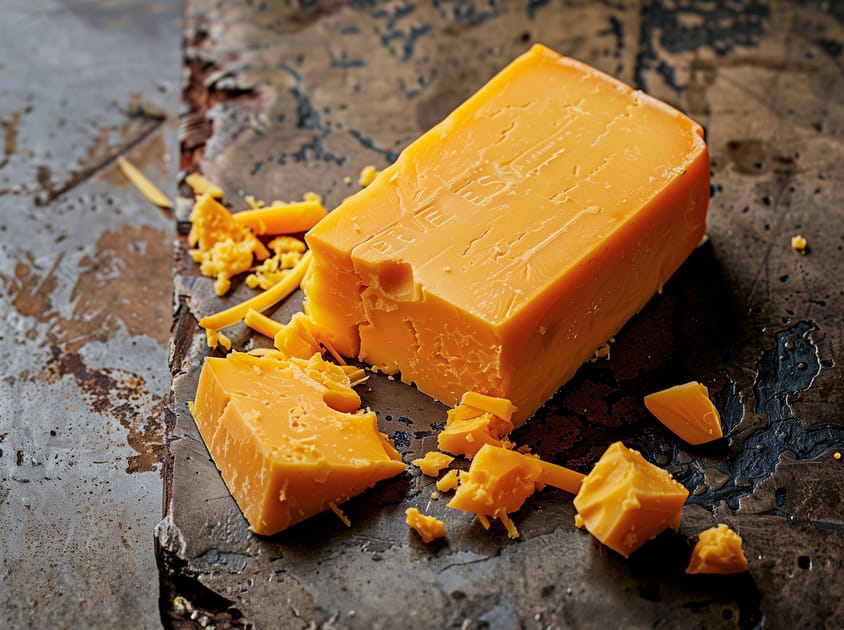 Does Cheese Give You Bad Dreams? | Engoo 每日新聞
The myth persists because it’s fun to tell. It’s easier than explaining the real science of sleep. And honestly, “cheese gives you bad dreams” is a way more interesting story than “heavy meals disrupt REM cycles.”
So, Should You Eat Cheese Before Bed?
If you love cheese, eat it. Your dreams are probably safe. The key is portion control and timing.
Eat cheese an hour or two before bed, not five minutes before you brush your teeth. Pair it with a few crackers, not a whole wheel. Your gut will thank you, and your dreams will stay weird but not wicked.
If you’re prone to nightmares anyway, cheese isn’t the issue. Stress, anxiety, and horror movies are more likely culprits. Blaming cheese is just a scapegoat—a delicious, dairy-icious one.
The Final Bite
Here’s the takeaway: Cheese is not your enemy. It’s a tasty, sleep-friendly treat for most people. The myth is a leftover from a time when people believed in dream demons and humors.
Next time someone warns you about cheese and nightmares, smile. Tell them about the British Cheese Board study. Or suggest they try a piece of aged Cheddar and report back.
Life is short. Eat the cheese, laugh at the myth, and enjoy whatever weird dreams come your way. Sweet dreams—and don’t forget the snacks.
