Famous People With Amyotrophic Lateral Sclerosis

Ever heard of a disease that turns your body into a prison, but leaves your mind wide awake? That’s Amyotrophic Lateral Sclerosis, or ALS for short. It’s a brutal neurological...
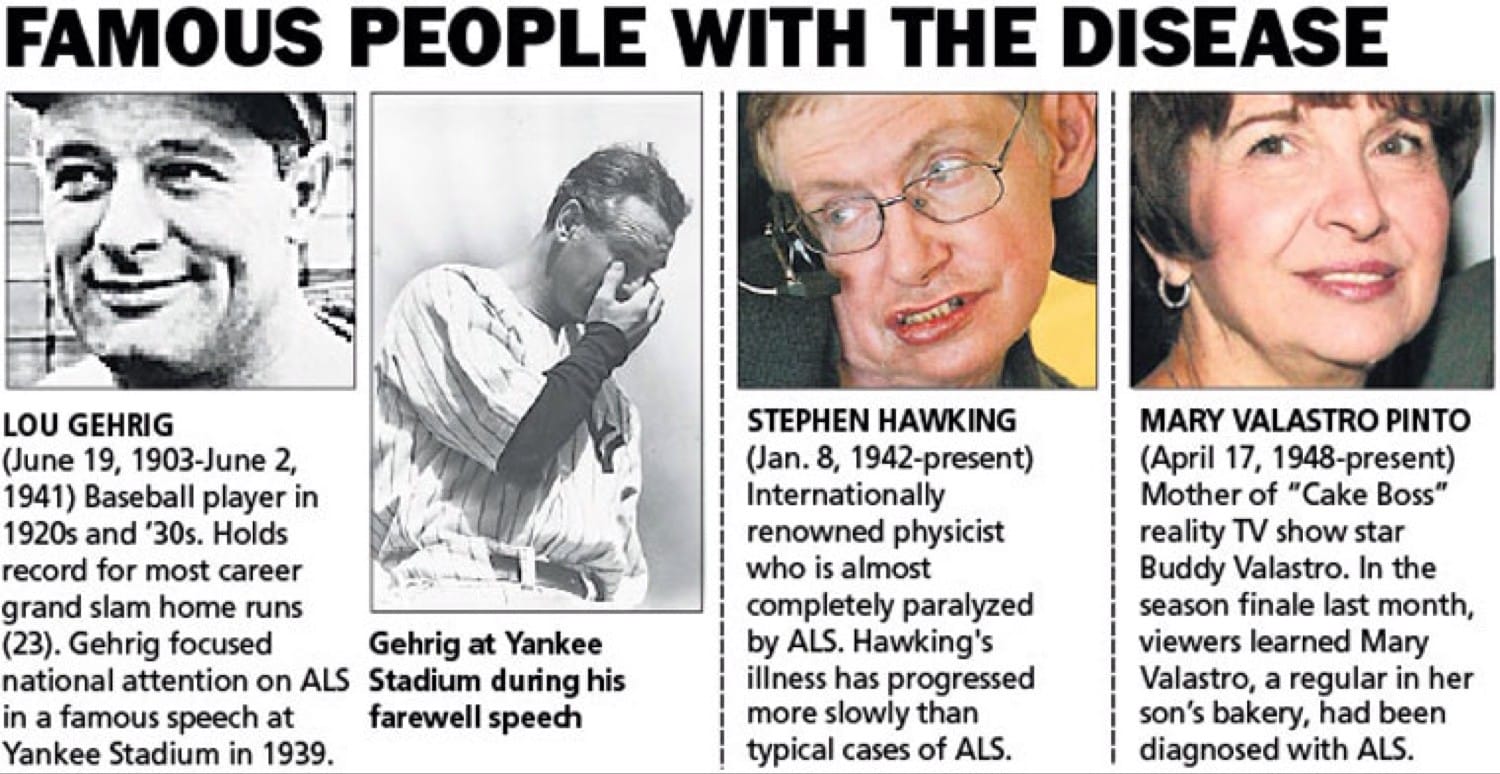
Ever heard of a disease that turns your body into a prison, but leaves your mind wide awake? That’s Amyotrophic Lateral Sclerosis, or ALS for short. It’s a brutal neurological condition that slowly takes away a person’s ability to move, speak, and even breathe. But here’s the wild part: some of the most brilliant, creative, and determined people in history have faced it head-on.
The man who changed the game: Lou Gehrig
You can’t talk about ALS without mentioning Lou Gehrig. He was a baseball legend, nicknamed the “Iron Horse” for playing a mind-blowing 2,130 consecutive games. Imagine that—showing up every single day, rain or shine, for fourteen years.
Then, at just 36, he was diagnosed. He stood in front of a packed stadium and called himself “the luckiest man on the face of the earth.” Seriously? Who does that? Most of us would be crying into our cereal. Gehrig turned his diagnosis into a symbol of grace, and the disease has been nicknamed after him ever since.
Must Read
It’s a wild contrast, isn’t it? A man who could hit a baseball out of a park with perfect strength, slowly losing control of his own muscles. His courage made ALS famous, but not in a good way.
Stephen Hawking: The mind that defied the body
Now, if Gehrig is the Iron Horse, Stephen Hawking is the cosmic wizard. He was diagnosed with ALS at 21, and doctors gave him just two years to live. Two years. He lived for 55 more.
How cool is that? His body became a silent shell, but his brain was exploring black holes, time, and the universe. He spoke through a computer, using just his cheek muscles. Imagine writing a bestseller like A Brief History of Time by twitching your face. That’s not just resilience; that’s rebellion.
Hawking makes you wonder: if your body starts breaking down, can your mind become even stronger? He proved the answer is a roaring yes.
 Stephen Hawking Turns 75; What Is Amyotrophic Lateral Sclerosis (ALS
Sam Shepard: The poetic cowboy
Let’s switch gears to someone from the arts. Sam Shepard was a Pulitzer Prize-winning playwright and an actor with that rugged, saddle-worn cool. You know the type—the guy who makes drinking whiskey look like a philosophy lesson.
He kept his ALS diagnosis very private. Unlike Hawking, who was out there cracking jokes about aliens, Shepard just quietly wrote and lived on a Kentucky farm. He died in 2017, and his family said he was “surrounded by his loved ones.” No fanfare. No pity.
There’s something deeply interesting about that choice. He used his last years to focus on his art and his family, like a quiet sunset on a dusty road. It reminds us that not everyone fights the same battle the same way.
The modern face: Pete Frates and the Ice Bucket Challenge
Now, here’s where it gets really relatable. In 2014, your social media feed was probably full of people dumping ice water on their heads. That was Pete Frates, a former college baseball player diagnosed with ALS at 27.
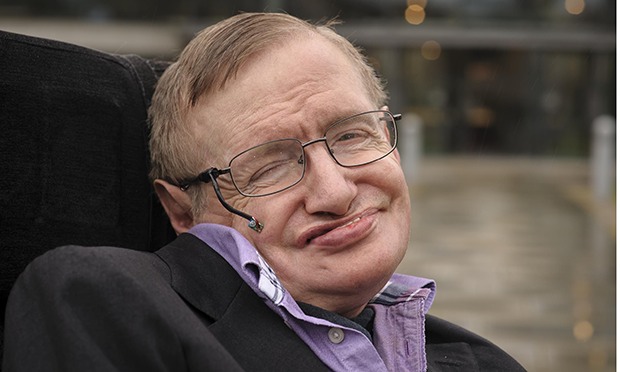 8 Famous People with Amyotrophic Lateral Sclerosis | New Health Advisor
He didn’t invent the Ice Bucket Challenge, but he became its ambassador. He turned a silly YouTube trend into a global fundraiser that brought in over $220 million for ALS research. Think about that. A bunch of videos of people screaming in cold water funded real scientific breakthroughs.
Pete was goofy, loud, and unapologetically stubborn. He couldn’t move his arms, but he could still inspire millions to do something stupid for a good cause. Isn’t that the most human thing ever?
Why this matters to you
You might be sipping coffee right now, scrolling on your phone, feeling fine. But these people share a strange gift: they show us what happens when the body fails but the spirit refuses to budge. ALS strips away everything except the core of who you are.
Lou Gehrig gave us dignity. Stephen Hawking gave us wonder. Sam Shepard gave us quiet grace. Pete Frates gave us a party with a purpose. They are not just “famous people with a disease.” They are mirrors reflecting our own potential to adapt, to create, and to laugh in the face of chaos.
So next time you’re complaining about a flat tire or a slow Wi-Fi connection, maybe think of Hawking typing a book with his cheek. Or Gehrig smiling in a stadium. It’s a little humbling. But also, it’s oddly exhilarating to know that humans can be this tough.
