How Long Does Strawberries Last In The Refrigerator

So there I was, last Tuesday, rummaging through my fridge for a midnight snack. I spotted a carton of strawberries hiding behind a jar of pickles—you know the spot, the gravey...
So there I was, last Tuesday, rummaging through my fridge for a midnight snack. I spotted a carton of strawberries hiding behind a jar of pickles—you know the spot, the graveyard of forgotten produce. I pulled them out, and they looked… sad. Not moldy-sad, just deflated, like they’d given up on life. I took a bite, and yep, they tasted like fridge-flavored mush.
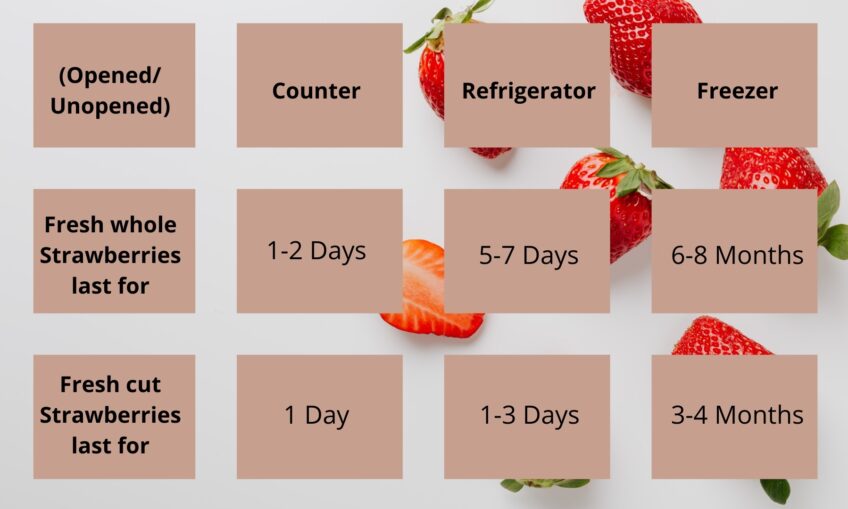
We’ve all been there, right? You buy a gorgeous pint of berries, full of dreams of smoothies and shortcake. Then life gets busy, and suddenly you’re asking yourself the eternal question: how long do strawberries actually last in the refrigerator? The short answer is three to seven days, but let’s be real—that range is like saying “somewhere between a quick nap and a coma.”
The truth is, strawberries are drama queens. They’re highly perishable because they’re soft and thin-skinned. Once picked, they stop ripening (unlike bananas, thank goodness), so the clock is ticking from the moment you bring them home. If you don’t treat them like royalty, they’ll turn into a science experiment faster than you can say “strawberry jam.”
Must Read
Let’s talk about storage habits, because this is where most of us fail. Throwing that sealed clamshell into the fridge is like trapping your berries in a sauna of their own breath. They need airflow. I learned this the hard way after finding a fuzzy blue strawberry—it looked like a tiny alien. (Note to self: check the bottom of the carton more often.)
The Great Pre-Wash Debate
Here’s a golden rule: never wash strawberries until you’re ready to eat them. I know, I know, you want to clean them and be efficient. But moisture is the enemy. Washing them before storage is basically inviting mold to a pool party. (And mold never RSVPs—it just shows up.)
If you must prep ahead, dry them thoroughly on a paper towel. But honestly? Just wash them as you go. It takes ten seconds, and your berries will thank you by lasting an extra day or two. Trust me on this—I once washed a whole batch on Sunday, and by Tuesday they were weeping in a puddle of their own sadness.
Now, what about the temperature of your fridge? Strawberries like it cold, but not freezing cold. Aim for 32-36°F (0-2°C). Any warmer, and they speed-rot. Any colder, and they get frostbite—yes, berries can get frostbite. It looks weird, like little ice crystals are having a rave on their skin.
The Mold Inspection
You know that one moldy strawberry in the carton? It’s not just chilling—it’s a mold terrorist. It releases spores that attack its neighbors. So if you see one fuzzy berry, immediately remove it. I’m serious. Don’t just stare at it and hope it goes away. (I’ve done that. It doesn’t work. The mold always wins.)
Some people say you can salvage berries if only a small spot is moldy. Cut that part off, and the rest is fine. But here’s my tip: if the mold has any fuzz or smells funky, toss the whole berry. Your taste buds will respect you in the morning.
For longer life, try the vinegar bath trick. Mix one part white vinegar with three parts water, soak the berries for a few minutes, then dry them completely. The vinegar kills mold spores without making them taste like pickles. (I promise, your berries won’t come out tangy—just don’t use balsamic, for heaven’s sake.)
 How Long Do Strawberries Last (In The Fridge And Without Fridge)
What About Storing Them “Better”?
Alright, let’s get tactical. If you want your strawberries to last closer to the seven-day mark, line the container with paper towels. This absorbs extra moisture and gives them a cozy, dry bed. Think of it as a spa treatment for your produce. (Your strawberries deserve a little pampering, don’t they?)
Another life hack: don’t pack them too tightly. Bruises lead to rot, and rot leads to tears. If you have a big batch, store them in a single layer if possible, or at least spread them out. Yes, it takes up more shelf space, but so does your collection of half-empty condiment bottles. Priorities.
Oh, and keep them away from the back of the fridge. That’s the coldest zone, and it can cause cold damage. Store them on a middle shelf, closer to the front, where the temperature is more stable. Your fridge is a microclimate, and berries are the delicate tourists.
Can You Freeze Them Instead?
If you bought in bulk (we’ve all been dazzled by the “4 for $5” deal), freeze your extras. Frozen strawberries last 6-12 months, and they’re perfect for smoothies. But don’t just toss them in a bag—wash, hull, and dry them first, then lay them on a tray to freeze individually. Otherwise, you get a sad, clumpy berry brick. (Which is still usable, but not ideal for that Instagram-worthy smoothie bowl.)
I once froze a whole carton without drying them. Guess what? They became a solid block of ice and grief. My blender cried. So yes, learn from my mistakes.
Here’s the bottom line: with proper care, strawberries can last 5 to 7 days in the fridge. But that requires effort. If you forget about them for a week, you’ll find a science project. If you follow the tips—dry, cold, not washed too early—you’ll be snacking on sweet, firm berries nearly a week later. (And feeling smug about it.)
So go ahead, buy that carton. But treat those little red gems like the fragile, beautiful drama queens they are. Because a good strawberry is worth the effort—and a moldy one is just a lesson in humility. Now go check your fridge. I’ll wait.
