How Long To Let Cake Cool Before Removing From Pan

You’ve just pulled a beautiful, golden cake out of the oven. The smell is intoxicating, and your fork is practically twitching in your hand. But then the voice of every experi...
You’ve just pulled a beautiful, golden cake out of the oven. The smell is intoxicating, and your fork is practically twitching in your hand. But then the voice of every experienced baker whispers: “Don’t touch that pan yet.”
So, how long do you actually have to wait? It feels like an eternity, right? Let’s chill out and figure out the sweet spot for cake removal.
The Golden Rule: Five to Fifteen Minutes
For most standard cakes—think round layers, sheet cakes, or loaf pans—the magic window is about 10 to 15 minutes. You want the cake to cool just enough that the steam stops screaming, but not so long that it glues itself to the pan.
Must Read
Think of it like letting a hot pizza sit before you slice it. If you dive in too soon, it’s a sticky, collapsing mess. This is your cake’s moment to settle.
After that 15-minute mark, run a thin knife or offset spatula around the inside edge of the pan. Gently does it—you’re not wrestling a bear, you’re coaxing out a friend.
Why Can’t I Just Flip It Out Immediately?
Picture this: you just baked a cloud, but it’s a hot, fragile cloud. The cake’s internal structure—mostly tiny air bubbles held up by starch and eggs—is still setting right now.
If you yank it out while it’s piping hot, you’re basically performing a demolition derby on all those delicate air pockets. It will crack, sink, or shrink into a sad, dense disk. Not the vibe you were going for, I assume?
Patience isn’t just a virtue here; it’s the difference between a showstopper and a crumpled mess. The pan acts like a cozy little sauna, allowing the cake to firm up without drying out.
The Exceptions: When 15 Minutes Isn’t the Answer
Of course, baking has to be a little bit annoying, doesn’t it? Some cakes are rebels. A delicate angel food cake or chiffon cake has a totally different game plan—it must cool upside down in its pan for a full hour (or more). No exceptions!
Why? Because gravity is your best friend for these light-as-air cakes. They need to hang on to that lift, and flipping them upright too soon makes them deflate like a sad balloon at a birthday party.
On the other end of the spectrum, a dense pound cake or a gooey brownie is a bit more rugged. You can often let it cool right in the pan until it’s almost room temperature—or even overnight, if you’re a planning pro. They’re like the sturdy jeans of the baking world.
 How to Cool Cake? (Tips and Tricks)
The Sensory Check: Your Two Best Tools
Your eyes and hands are actually smarter than any timer. After about ten minutes, place your palm near the side of the pan. Does it feel like a warm mug of tea, or like a searing hot frying pan? Warm is good. Hot means wait.
Also, look at the cake’s top. Is it still shimmering with steam? If the surface looks damp or sweaty, give it another five minutes. You want it to look matte and set, like it has its life together.
Pro tip: if the cake starts pulling away from the sides of the pan naturally, that’s the universe telling you, “You’re golden.” That shrinkage is a natural sign of doneness and cool-down.
The Big Flip: How to Do It Without a Crisis
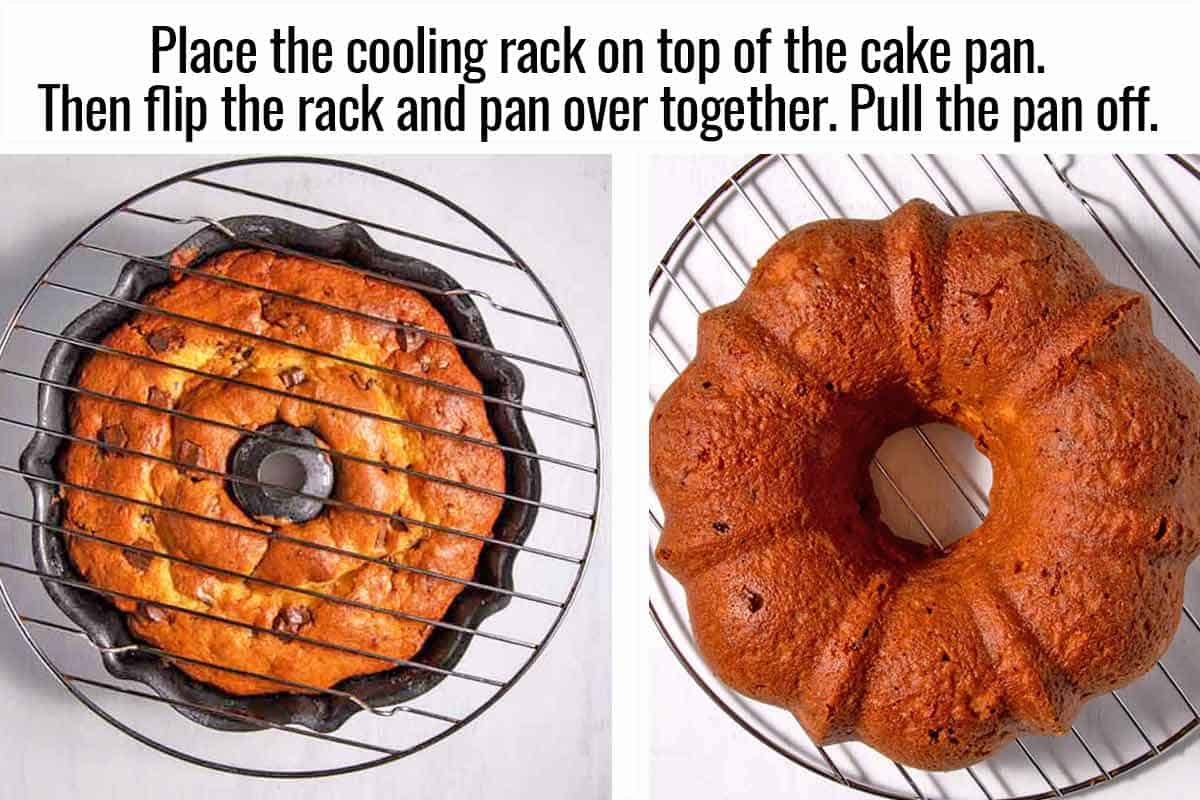
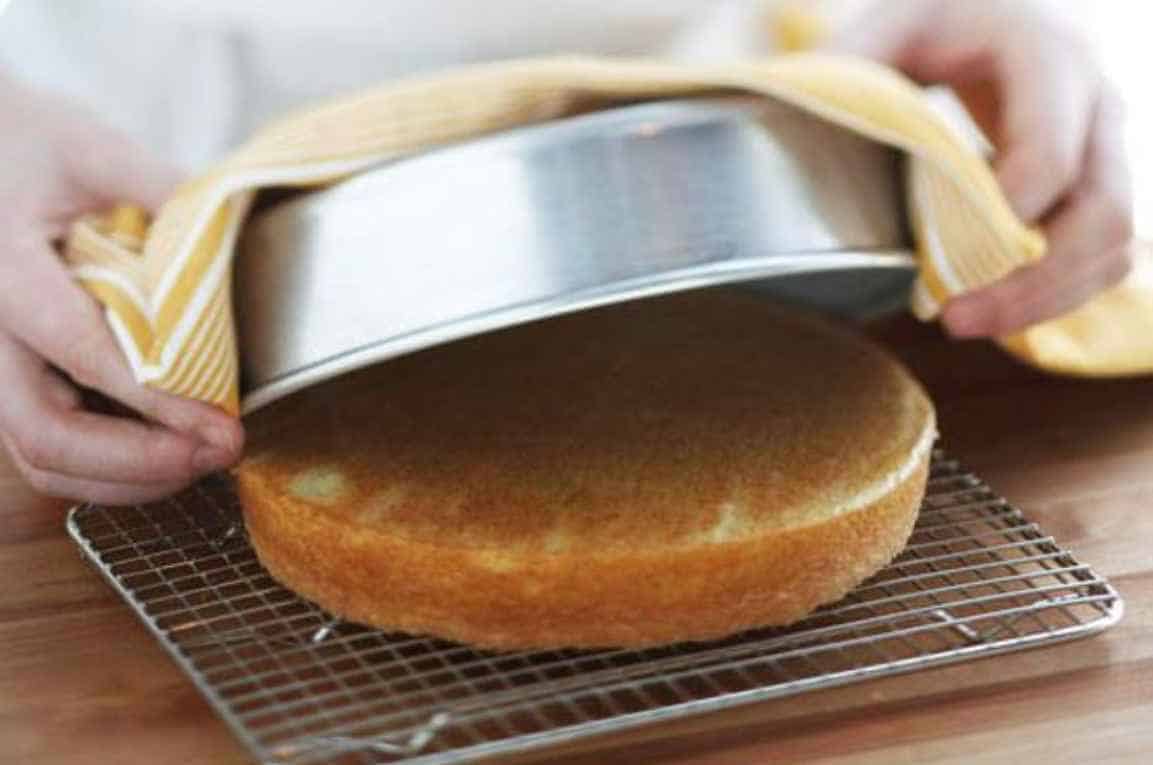
Okay, the wait is finally over. Now for the fun part—the dramatic inversion. Place your wire cooling rack directly on top of the cake pan. Flip the whole stack over in one confident, fluid motion. No second-guessing.
If you greased the pan well (and you did, right?), the cake should slide out with a soft thump. If it sticks, don’t panic. Gently wiggle the pan back and forth, or place a warm, damp towel on the bottom of the pan for a minute. The heat loosens the grip.
Then, lift the pan off slowly, like you’re unveiling a masterpiece. You deserve that moment of victory. Let the cake cool completely on the rack—maybe another 45 minutes—before you even think about frosting. Frosting a warm cake is just a recipe for a melty, sad puddle.
Why It’s Actually Cool (Scientifically Speaking)
Here’s the nerdy, fascinating bit: the whole “cooling in pan” thing is a controlled process of moisture management. The trapped steam from the hot cake helps soften the crust, making it easier to release. But if you leave it too long, that same steam can turn the bottom into a soggy sponge.
It’s a beautiful balancing act. You’re basically giving your cake a short, steamy spa session, then setting it free to breathe. So next time you’re staring at the clock, just remember: you’re not just waiting. You’re engineering the perfect texture.
Now, go grab that fork—it’s almost time. But first, enjoy the anticipation. A little patience makes the first bite taste even sweeter, don’t you think?
