How To Calculate Net Current Asset

Last week, my buddy Dave called me in a panic. He runs a small coffee shop, and his accountant just asked for his “net current assets.” Dave thought it was some kind of fancy...

Last week, my buddy Dave called me in a panic. He runs a small coffee shop, and his accountant just asked for his “net current assets.” Dave thought it was some kind of fancy latte art competition. I had to laugh—then I realized most of us glaze over when we hear terms like that.
But here’s the thing: net current assets aren’t scary. They’re just the cash, inventory, and bills your business can turn into money fast, minus what you owe in the next year. Think of it as your company’s “emergency fund” on steroids. Ready to calculate yours? Let’s do it—no spreadsheets required.
What Exactly Are We Measuring?
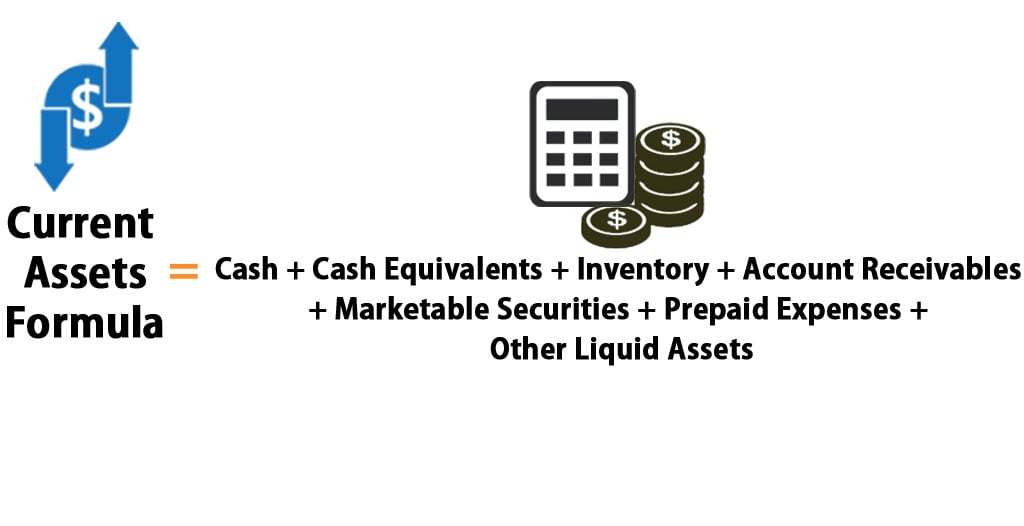
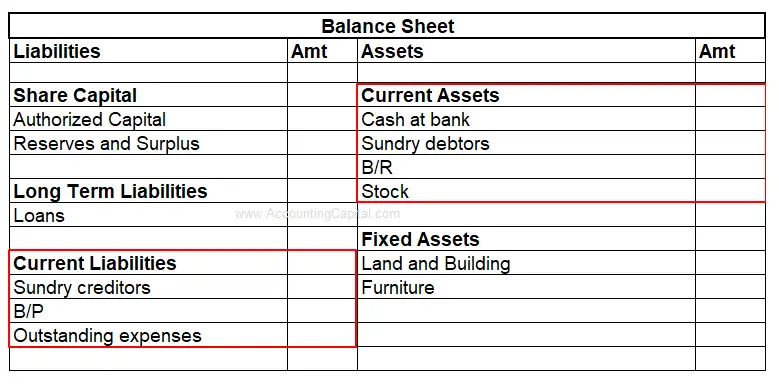
Net current assets = current assets minus current liabilities. That’s it. Current assets are things you can sell or use within 12 months: cash, accounts receivable, inventory, and short-term investments. Current liabilities are debts due within the same period: unpaid invoices, loan payments, or that credit card balance you’ve been ignoring.
Must Read
If the number is positive, you’re in good shape—you can cover short-term bills. If it’s negative, well, you might be living on borrowed time (and borrowed money). Side note: Dave’s coffee shop had a positive number, but only because he hoarded coffee beans like a squirrel. We’ll fix that later.
Step 1: Gather Your Current Assets
First, grab your balance sheet (or your accounting app). Find cash—that’s the obvious one. Then add accounts receivable—money customers owe you. Pro tip: if you’re still waiting on payments from 2019, those don’t count. They’re ghosts.
Next, toss in inventory (raw materials, finished goods, that pallet of unsold holiday mugs). And any short-term investments like Treasury bills or stocks you’d sell within a year. Add it all up. For Dave, that was $15,000 in cash, $2,000 in receivables, and $8,000 in beans and cups.
Step 2: List Your Current Liabilities
Now for the fun part—the debts. Start with accounts payable: what you owe suppliers. Then add short-term loans, accrued wages (unpaid salaries), and taxes due. Yes, even those pesky quarterly estimated payments. Be honest here; ignore the mortgage on your building—that’s a long-term thing.
 Current Assets
For Dave, liabilities were $5,000 owed to his roaster, $2,000 in credit card debt, and $1,000 in unpaid payroll taxes. Total: $8,000. He winced, but I told him, “This is good news—it’s just math, not a judgment.”
Step 3: Subtract and Interpret
Do the math: Current assets ($25,000) minus current liabilities ($8,000) equals $17,000. That’s your net current asset value. Positive means you’re liquid—you could pay off everything tomorrow and still have cash left. Negative means you’re living on a knife’s edge.
Dave’s $17,000 is solid, but it’s also deceptive. Half of that is inventory—beans that take time to sell. Real liquidity matters more than the raw number. If his shop burned down tomorrow, those beans are just ashes. So, ask yourself: how much of your current assets are actually cash or near-cash?
Why Should You Care? (Besides Impressing Your Accountant)
Net current assets tell you if you can weather a storm—or if you’ll drown in the first rain. Lenders and investors look at this like a financial pulse. A pulse below zero? They’ll run. A strong pulse? They’ll offer you better terms.
Here’s the irony: many small business owners obsess over revenue but ignore this number. Revenue is vanity; net current assets are survival. I once had a client with $1 million in sales but only $5,000 in net current assets. When a client delayed payment, he couldn’t buy printer paper. Don’t be that person.
 Current Assets
A Quick Reality Check
Still with me? Good. Now, a few caveats. Net current assets don’t tell you everything—they ignore future earnings, growth potential, or that brilliant idea for a pumpkin spice nitro brew. You’re not a number; you’re a business. But they do reveal how much breathing room you have this quarter.
Also, avoid a common mistake: don’t include prepaid expenses (like insurance you paid upfront) unless you’re sure you can get refunded. And never count equipment you plan to sell—that’s a long-term asset. Stick to the 12-month rule.
Putting It Into Practice (Without the Panic)
So, Dave and I sat down with his spreadsheet. We calculated his ratio: current assets divided by liabilities (the current ratio). His was 3.1—healthy. But we also flagged that 60% of his assets were inventory. Too much coffee bean safari, my friend. We made a plan to sell older stock and tighten credit terms for customers.
Your turn: grab a napkin, open your accounting software, or just whisper the numbers to your phone’s calculator. It takes five minutes. If the result makes you wince, don’t panic—it’s data, not destiny. You can increase assets by selling more (or faster) and reduce liabilities by negotiating better payment terms.
In the end, net current assets are like checking your bank balance before buying a round of drinks. You don’t need to be a math genius—you just need to look. So go look. Even if the number is ugly, you’ll sleep better knowing it. And if you’re like Dave, you’ll also sleep knowing your coffee shop won’t run out of cash before your next delivery of oat milk.
