How To Convert All Purpose Flour To Self Rising

So, you’re staring at a recipe that calls for self-rising flour, but your pantry only has that sad, all-purpose sack of potential. Panic not, my friend. You are about to becom...
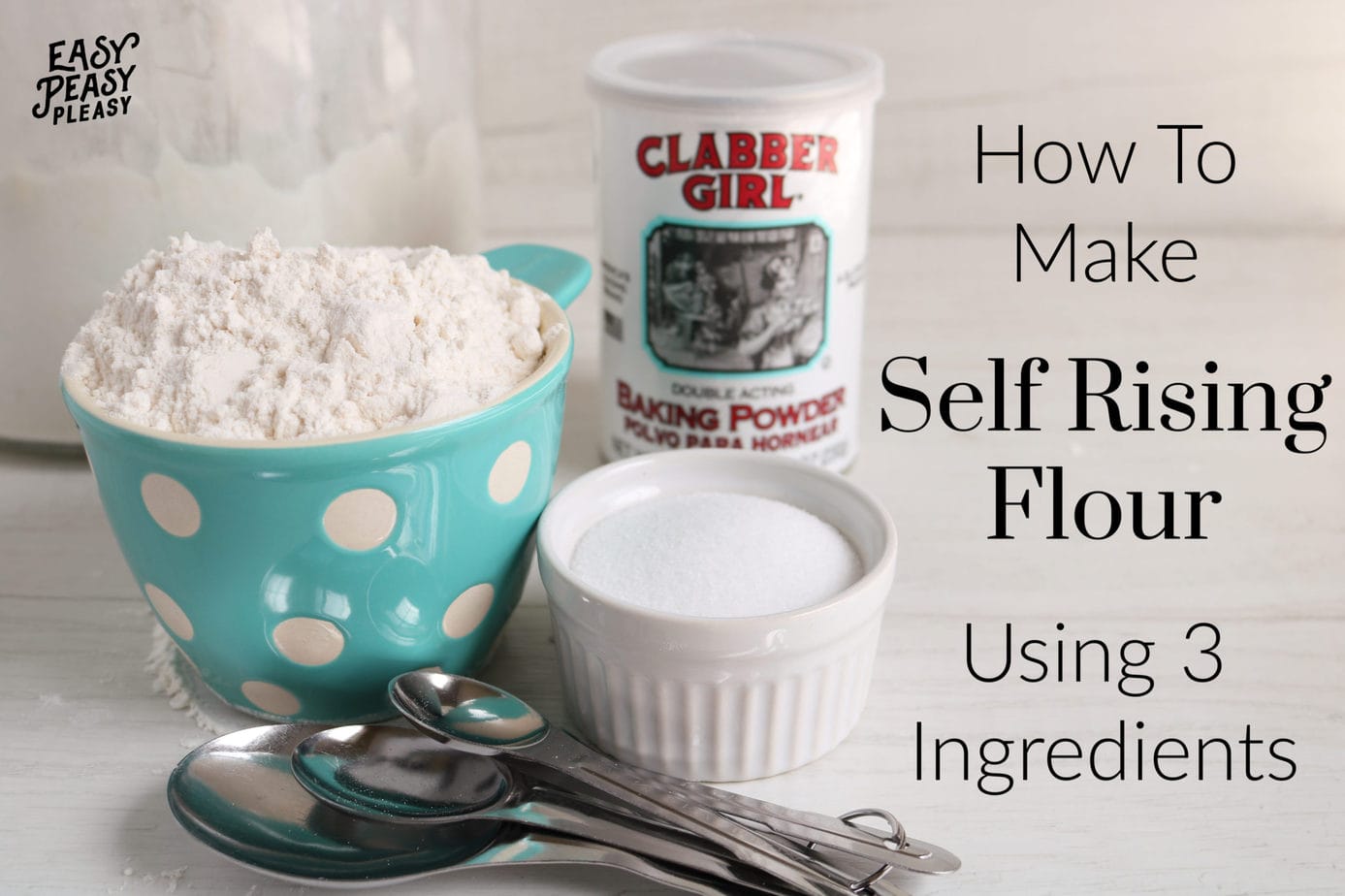
So, you’re staring at a recipe that calls for self-rising flour, but your pantry only has that sad, all-purpose sack of potential. Panic not, my friend. You are about to become a kitchen alchemist, turning boring flour into a fluffy, risable superhero. All it takes is three simple ingredients and a tiny bit of confidence—less confidence than it takes to parallel park, anyway.
The Holy Trinity: Flour, Baking Powder, and Salt
Self-rising flour is basically regular flour that went to a party and came home with baking powder and salt. It’s that simple. The baking powder is the gas that makes your biscuits blush and your cakes puff up like a pufferfish on a date.
For every one cup of all-purpose flour, you need to add 1½ teaspoons of baking powder and ¼ teaspoon of salt. Yes, that’s the magic ratio. Memorize it, tattoo it on your forearm, or just bookmark this article—I won’t judge.
Must Read
If you need three cups of self-rising flour, just multiply everything by three. That’s 4½ teaspoons of baking powder and ¾ teaspoon of salt. Math is hard, but this is the kind of math even a sleepy raccoon could handle.
The "Baking Soda vs. Baking Powder" Disaster (And How to Avoid It)
Let’s pause for a serious public service announcement. Do not confuse baking powder with baking soda. Baking soda is a jealous ex that needs acid to work; baking powder is a self-contained party animal. Mix them up and your muffins will taste like a science fair volcano.
Seriously, one time I accidentally used baking soda instead of powder. My scones looked like hockey pucks and tasted like regret and aluminum foil. Learn from my shame. Always check the label. Baking powder has “powder” in its name. Trust the name.
And if your baking powder is older than your last Netflix password, test it. Drop a teaspoon into hot water. If it fizzes like a furious alpaca, it’s good. If it just sits there, buy a new one.
The Stirring Ceremony: Don't Be a Monster
Now, put your all-purpose flour in a large bowl. Add the baking powder and salt. Whisk it like you’re trying to win a carnival game. You want those ingredients to be best friends—inseparable, holding hands, swearing a pact of fluffy allegiance.
A whisk works best. If you only have a fork, fine, but show some effort. You want to distribute the baking powder evenly, or you’ll get a biscuit with a “puff pocket” and a “dud zone.” Nobody wants a dud zone in their life.
Some people sift the mixture three times. That’s pretty extra, like wearing a tuxedo to a barbecue. Once or twice is plenty, unless you’re making a wedding cake for actual royalty. In that case, sift until your arm falls off.
The Surprising Secret: Why You Shouldn't Make Too Much at Once
Here’s a shocking fact: Self-rising flour is a ticking time bomb. Not literally, but the baking powder starts reacting with moisture the second you mix it. Store-bought self-rising flour contains a special “low-moisture” baking powder that lasts months.
 Convert All-Purpose or Plain flour into Self-Raising flour - YouTube
Your homemade version? It’s a one-night stand. You can store it in an airtight jar for a week or two, but after that, the puff-power fades. So only make what you’ll use. Unless you enjoy deflated, sad pancakes—then go wild.
Pro tip: Label your jar with a sharpie and the date. Otherwise, in three weeks you’ll find it and think, “Did I put cocaine in here?” No, you didn’t. It’s just old flour. Don’t be a hero.
When To Use Self-Rising Flour (And When to RUN)
Self-rising flour is the life of the party for quick breads, biscuits, pancakes, and muffins. Anything that needs to rise fast and furious without a yeast nap. Think buttermilk biscuits that look like little clouds of butter. That’s the goal.
But do not use it for yeast bread, like a sourdough or a baguette. That’s like inviting a mime to a rock concert—the chemistry is wrong. The pre-added baking powder will mess with the yeast’s timing, and your bread will taste like confusion.
Also, avoid it for super delicate cakes that require exact measurements. If the recipe calls for self-rising, great. But if it calls for all-purpose and you swap it in without adjusting the baking powder, you’ll get a cake that rises, laughs in your face, and then collapses from shame. Trust the process.
The Final Secret: You're Already a Flour Wizard
See? You just saved a trip to the store, ten dollars, and the soul-crushing disappointment of finding “premium” self-rising flour that costs more than a movie ticket. You now possess a superpower: flour transmutation.
And here’s the final surprising fact: this trick works perfectly for gluten-free all-purpose flour too. Just add the baking powder and salt, and you’re making gluten-free self-rising flour. It’s literally the same math. You’re welcome, celiac community.
So next time you’re craving flaky biscuits and the pantry looks like a prison cell, just remember: a whisk, a spoonful of powder, and a pinch of salt. You’re not just baking—you’re conducting a beautiful, edible science experiment. Now go forth and puff.
