How To Help A Choking Dog

So, picture this: my friend’s golden retriever, a goofball named Charlie, once inhaled a whole sock. Not a tiny one, mind you—a thick, woolen hiking sock. One second he was wa...
So, picture this: my friend’s golden retriever, a goofball named Charlie, once inhaled a whole sock. Not a tiny one, mind you—a thick, woolen hiking sock. One second he was wagging, the next he was pawing at his mouth, making these horrible gagging sounds.
I froze. My brain just went blank, like a computer with the blue screen of death. Luckily, my friend knew exactly what to do, and within seconds, the sock flew out like a cannonball. It was terrifying and hilarious at the same time—and it taught me that knowing how to help a choking dog is not optional.
First: Don’t Panic, but Don’t Wait Either
When your dog starts choking, your first instinct will be to scream (I get it). But panicking helps nobody, especially your furry potato. You have seconds, not minutes, to act before your dog loses consciousness.
Must Read
Look for the real signs: pawing at the mouth, exaggerated gagging or retching, blue-ish gums, and that panicked “I’m dying” look in their eyes. And here’s the kicker—if your dog is still coughing and making noise, let them cough. That means air is moving. Your only job is to stay there and be ready to step in if the coughing stops.
The “Finger Sweep” Myth (Please Don’t)
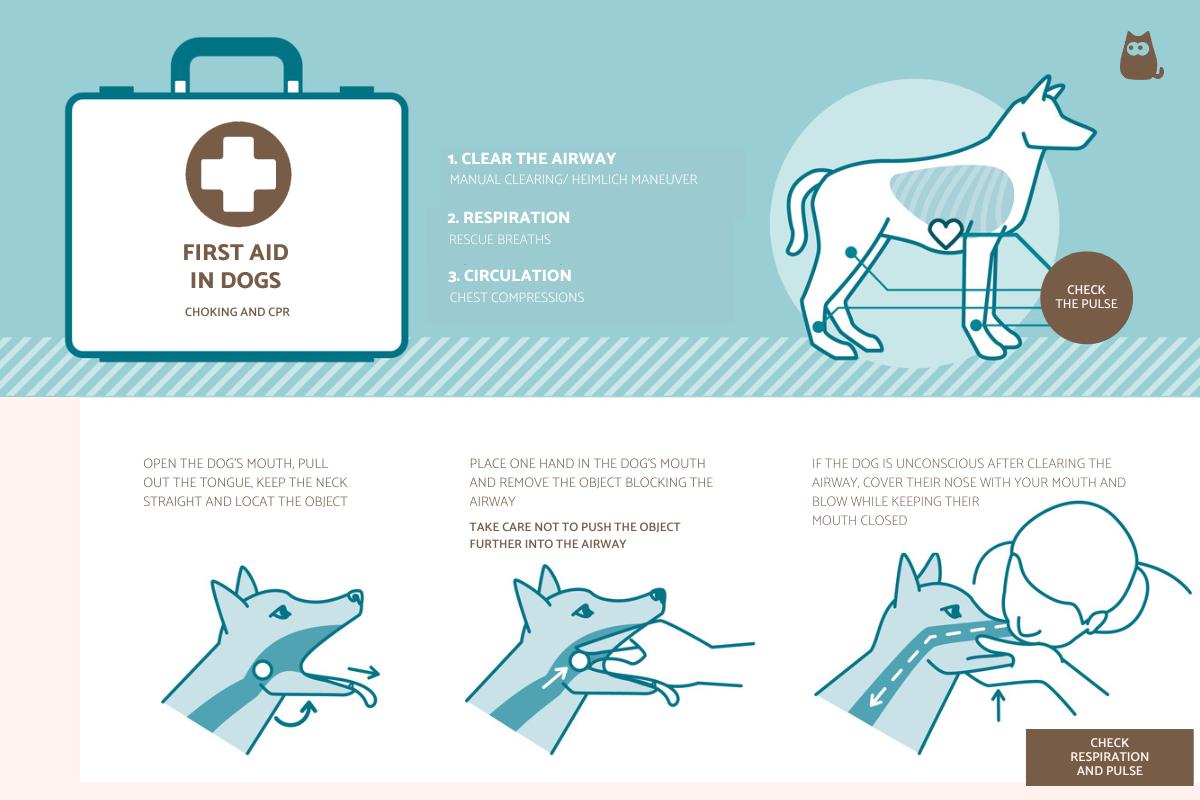
You’ve seen people stick fingers down a choking human’s throat, right? Do NOT do that with your dog. They have a tiny bone in their throat (the hyoid apparatus), and your clumsy finger can easily push an object deeper into the airway. Trust me, you’ll only make things worse.
Instead, try to look inside the mouth—but only if your dog is calm enough. If you see the object clearly (like a stick or a toy), you can carefully try to hook it out with your fingers. But if it’s slippery or deep, stop immediately and move to the real rescue methods below.
 How to Give a Dog the Heimlich Maneuver When Choking - With Diagrams
The Heimlich Maneuver for Dogs (Yes, It’s Real)
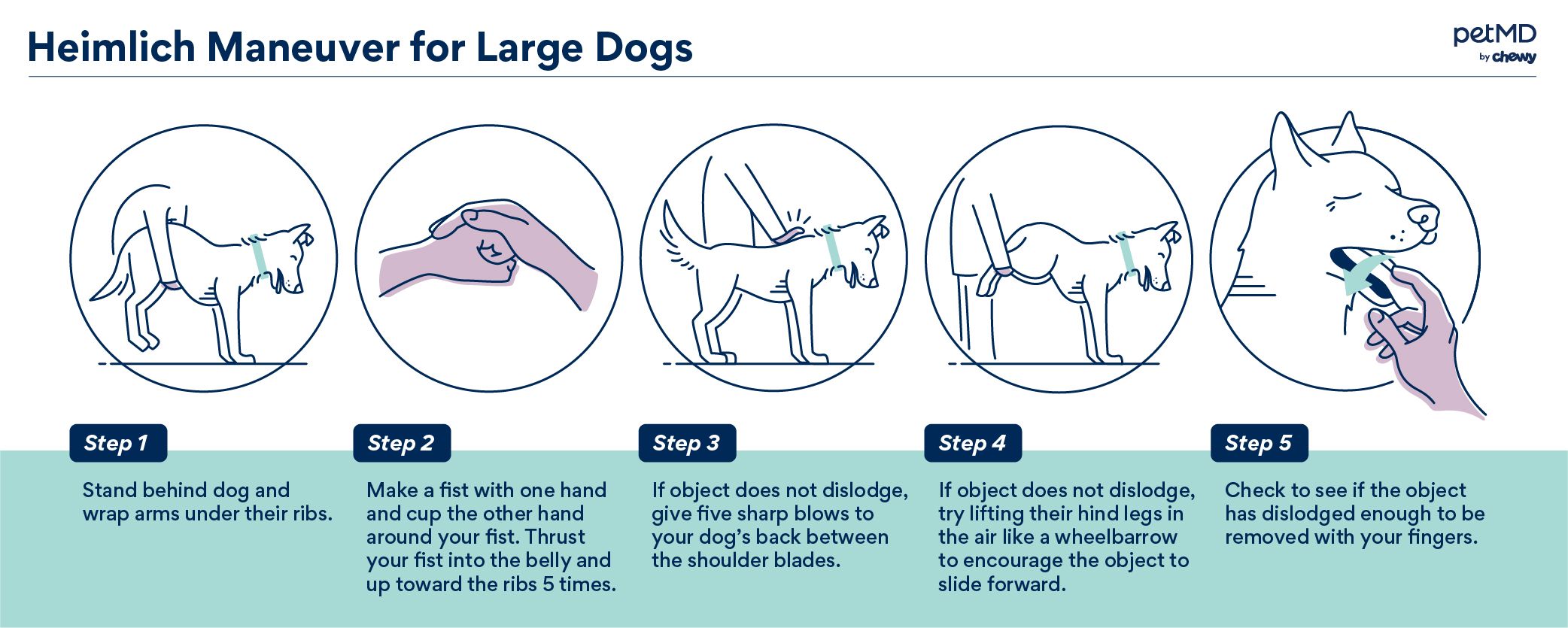
This is where you become the hero your dog thinks you are. For small dogs (under 30 pounds), pick them up and hold them with their back against your chest. Place one fist just below their ribcage, and give five sharp, quick thrusts inward and upward—just like you’d do for a human baby.
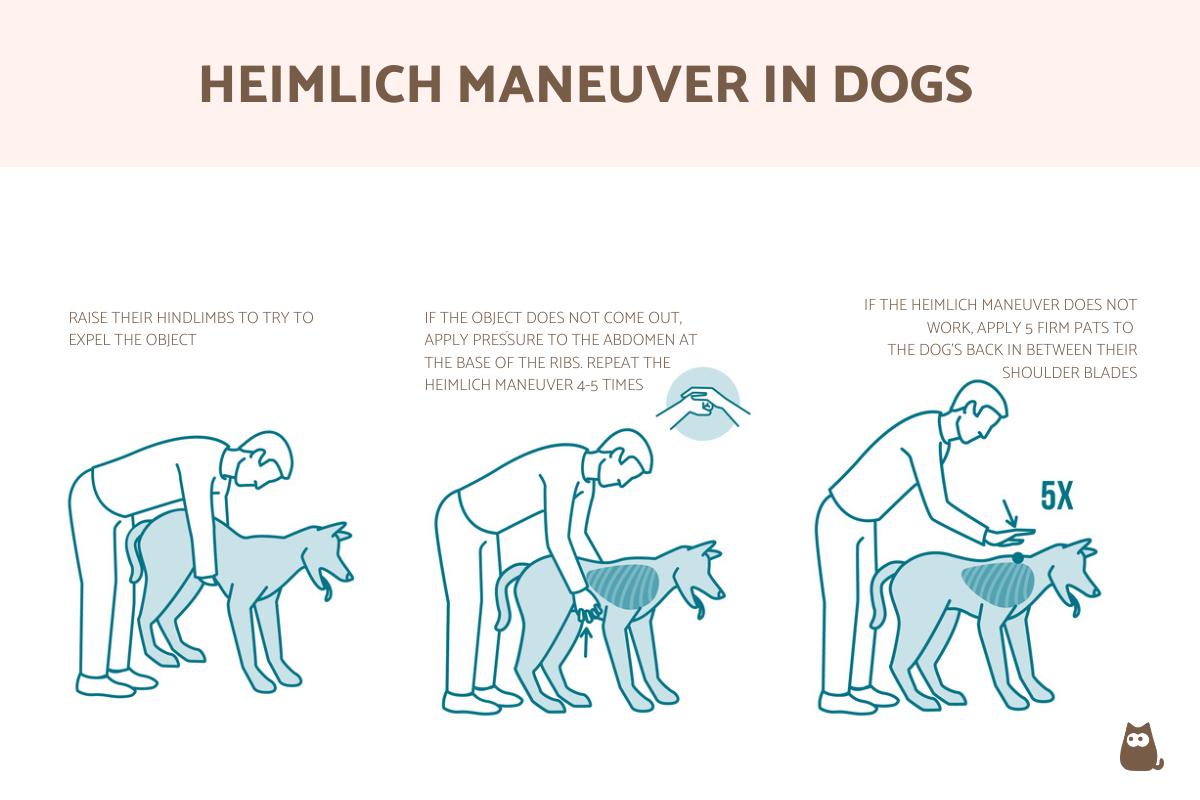
For medium to large dogs, put them on their side or have them stand. Kneel behind them, make a fist, and place it in the soft hollow spot just below their ribs. Then give five firm thrusts inward and upward. No, you’re not trying to hurt them—you’re creating enough air pressure to launch that lodged treat or ball into the atmosphere.
The “Doggie Downward Dog” Trick
If the Heimlich doesn’t work, try this: lift your dog’s hind legs like a wheelbarrow. Yes, it looks silly, but gravity becomes your best friend. Hold their back legs and tilt their body so the head is lower than the chest. Give five firm back blows between the shoulder blades with the heel of your hand.
This method works wonders for objects stuck further down. Just be ready to catch whatever flies out—including drool, slobber, and possibly last week’s kibble. You’re welcome.
 How to Give a Dog the Heimlich Maneuver When Choking - With Diagrams
When to Give Up and Go to the Vet
Alright, here’s the brutal truth: if your dog collapses, stops breathing, or you see their gums turn blue or grey, you’re out of time. Stop everything and start CPR (chest compressions plus rescue breaths) while someone else calls the vet. If you’re alone, do CPR for two minutes, then rush to the clinic with the dog in your arms.
Even if you get the object out, call your vet anyway. A lodged item can cause internal damage, swelling, or even pneumonia from inhaled debris. Don’t be the person who celebrates too early—trust me, the vet bill is cheaper than a funeral.
One Final, Weird Tip
Keep a pair of needle-nose pliers in your dog’s first-aid kit. Sounds insane, I know, but they’re perfect for grasping things like fishhooks, bones, or other slippery objects you can’t grab with your fingers. Just please don’t use them on a conscious, panicked dog—only if they’re already passed out or very sedated.
And here’s the ironic part: the best way to handle choking is to prevent it. No socks left on the floor, no rawhide chunks bigger than a grape, and never let them eat like a vacuum cleaner (though good luck controlling that). But now, if that scary moment ever comes, you’re not helpless. You know exactly what to do—and your dog will owe you their life. No pressure, right?
