Why Is My Vision Blurred When I Wake Up

You wake up, stretch like a sleepy cat, and then—blur. The world is a watercolor painting, your phone a smudge, your partner’s face a friendly ghost. It’s not the start of a h...
You wake up, stretch like a sleepy cat, and then—blur. The world is a watercolor painting, your phone a smudge, your partner’s face a friendly ghost. It’s not the start of a horror movie; it’s just your eyes waking up, too. Before you panic-dial your optometrist, know this: temporary morning blur is incredibly common, and usually harmless. It’s your visual system’s version of hitting the snooze button.
The Overnight Slumber Party in Your Eyes
Think of your eyes as tiny, high-tech pools. While you sleep, the water—your natural tears—evaporates. A thin film of oil, debris, and dried mucus can settle on your cornea, creating a hazy, sticky curtain. That’s why your eyelids often feel glued shut. Once you blink a few times, the natural tear film refreshes, and the blur fades like morning fog burning off.
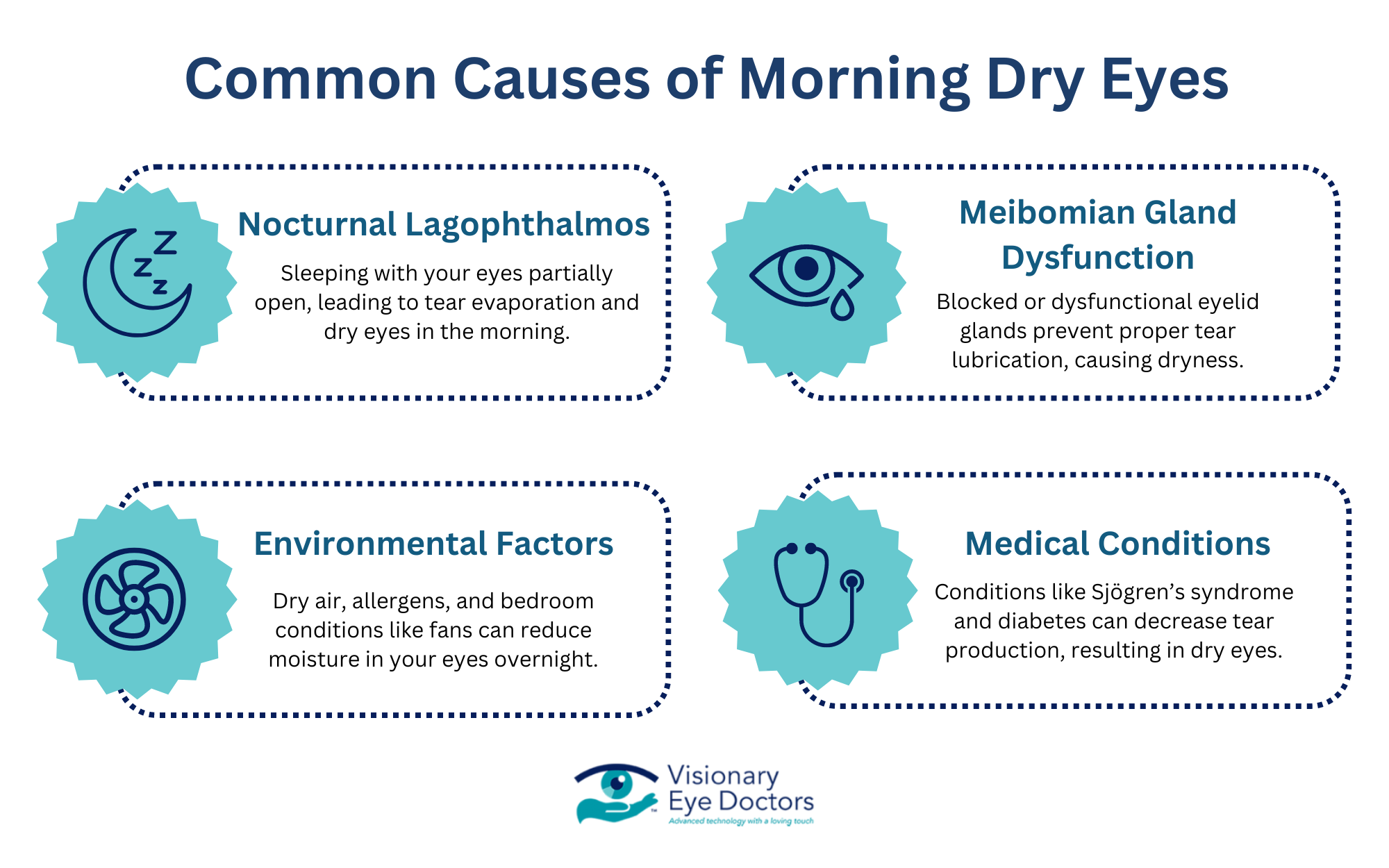
Another culprit is nocturnal lagophthalmos—a fancy term for not closing your eyes fully at night. Up to 20% of people do this without knowing. Your eyes dry out, and the cornea’s surface gets slightly irregular, like a deflated basketball. A few good blinks usually solve this, but if you wake up with sandpaper eyes, you might want to check your sleep position.
Must Read
When Your Nightlife Needs a Facelift
Your pillowcase is a silent accomplice. Cotton fabrics absorb moisture and trap dust mites, pollen, and old mascara. Switch to a silk or satin pillowcase—it’s less abrasive and won’t wick away your tear film. It’s the same logic as a luxury sheet set: treat your eyes like VIPs, and they’ll reward you with clearer mornings.
Don’t forget your phone. Blue light from screens before bed can suppress melatonin and strain your eyes, making them dry and tired by dawn. Try a 20-minute screen-free wind-down—even just reading a paperback. Your eyes will thank you with a more graceful morning debut.
The Medical Plot Twist
Sometimes, the blur is a persistent character, not a cameo. If your vision stays fuzzy for more than 30 minutes after waking, it’s worth a chat with a doctor. Conditions like dry eye syndrome, blepharitis (inflamed eyelids), or even high blood pressure can manifest as morning haze. Fun fact: diabetes can cause fluctuating vision due to blood sugar changes overnight, so a persistent blur is a clue, not a quirk.
Contact lens wearers, listen up. Sleeping in your lenses is like leaving a steak out overnight—inviting a bacterial buffet. Always remove them, even if you’re “just power-napping.” A 2023 study found that people who sleep in lenses are eight times more likely to get a corneal infection. That’s not a statistic you want to blur your life with.
:max_bytes(150000):strip_icc()/sudden-blurry-vision-5092267.FINAL-c7abefa2797241c89b08e9f4a6e0b82b.jpg) What Causes Sudden Blurry Vision?
What Causes Sudden Blurry Vision?
Cultural Eye-Candy and Old Wives’ Tales
In Japan, morning blur is sometimes called “sleep sand” (nemuri no suna). They believe it’s leftover magic from the land of dreams. In Ayurvedic tradition, rubbing your eyes is a no-no—they recommend splashing cold water to “reset” the prana. Both cultures agree: gentle, conscious waking is better than a groggy scramble.
Did you know that astronauts often report blurry vision upon waking in space? Without gravity, fluids shift to the head, swelling the optic nerve. You’re not an astronaut (probably), but the lesson holds: posture matters. Sleeping with your head slightly elevated can reduce fluid pressure and morning blur.
Practical Tips for a Clear Awakening
Here’s your morning toolkit. First, don’t rub your eyes. Rubbing spreads bacteria and can thin your cornea over time. Instead, blink rapidly five to ten times—a natural pump for your tear ducts. Follow with a splash of cool water or a warm compress (two minutes, not ten). The warmth melts any oil stasis in your eyelids, especially if you have blepharitis.
Second, hydrate before you caffeinate. Your whole body is parched after eight hours, and your eyes are the first to feel it. A glass of water helps thin the tear film. For extra credit, use a humidifier in your bedroom, especially in dry climates or during winter. Your eyes will throw you a gratitude party.
 Blurry Vision After Waking Up: Causes, Concerns, and When to See a Doctor
Third, check your sleep hygiene. Blackout curtains? Friend. Fan blowing directly on your face? Foe. The air movement accelerates tear evaporation. If you must have a fan, aim it toward your body, not your face. And never—ever—sleep with a window open if you live near a highway; particulates in the air can irritate your eyes.
When to Call the Pros
If the blur is paired with pain, redness, or light sensitivity, see an eye doctor immediately. Similarly, if you notice a “gray curtain” or flashing lights, that could signal a retinal issue—a true emergency. But for the 9 out of 10 people who just have a foggy start, it’s a hydration and blink problem. Nothing more.
One more fun fact: your eyes don’t produce tears while you sleep. Zero. That’s why morning crust is a thing. It’s your eyes’ way of saying, “We were on break.” Respect the break. Give them a soft landing.
A Final Blink
Morning blur is a tiny, daily meditation on patience. Your eyes are asking for a gentle transition—a slow stretch, a sip of water, a moment of stillness before the world demands sharp focus. In a culture that prizes instant clarity, a few seconds of soft-focus might be a gift. It reminds you that not everything needs to be sharp right away. Some things—like morning, like vision—are better when they bloom into focus.
So tomorrow, when you wake up to a Monet painting, don’t fight it. Blink. Breathe. Give your eyes a second to remember they’re on Earth. Then go conquer the day—one clear moment at a time.
