How To Make Self Rising Flour From Regular Flour

Okay, let’s be real for a second. You’re in the middle of a baking crisis, aren’t you? You’ve got a killer biscuit recipe in one hand and a bag of regular all-purpose flour in...
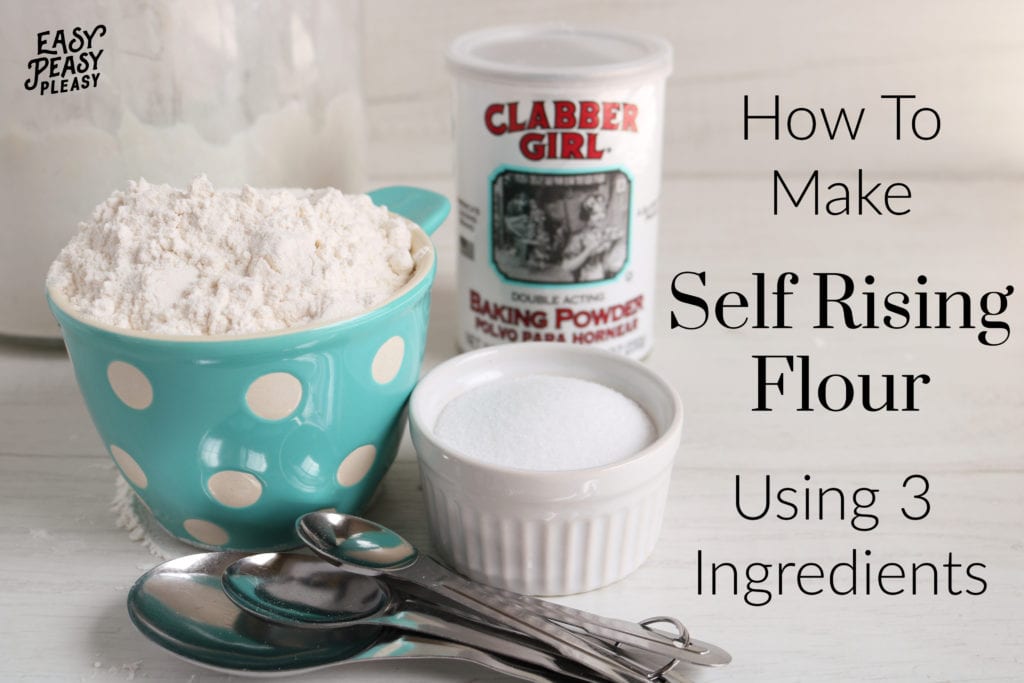
Okay, let’s be real for a second. You’re in the middle of a baking crisis, aren’t you? You’ve got a killer biscuit recipe in one hand and a bag of regular all-purpose flour in the other.
And the recipe screams for self-rising flour. Panic sets in. You start Googling, hoping for a miracle.
Good news: I’m your miracle worker. And you probably have everything you need in your pantry right now.
Must Read
The Simple Truth About Self-Rising Flour
First, let’s get one thing straight. Self-rising flour is just a lazy baker’s best friend. It’s regular flour with two party crashers already mixed in: baking powder and salt.
That’s it. No magic. No unicorn dust. Just chemistry you can do in your sleep.
Honestly, I think self-rising is a bad name. It should be called “I-didn’t-feel-like-measuring-stuff” flour. But I digress.
What You’ll Need (The Short List)
Grab your regular all-purpose flour. The white, dusty kind you use for cookies. That’s the star of the show.
Now, find your baking powder. Not baking soda. Powder. They are not the same. If you grab the wrong one, your biscuits will taste like a science experiment gone wrong.
Last, get some salt. Regular table salt is fine. Don’t use fancy sea salt here—we’re making flour, not a Michelin-star dish.
The Golden Ratio
Here’s the only number you need to remember. Ready? For every one cup of all-purpose flour, add 1½ teaspoons of baking powder and ¼ teaspoon of salt.
That’s it. Write it on your hand if you have to. Or just bookmark this page, you rebel.
If you’re making a big batch, scale it up. Math is your friend. Four cups of flour? Use six teaspoons of baking powder and one teaspoon of salt. Easy peasy.
The How-To (Don’t Overthink It)
First, grab a bowl. Or a jar. Or a Ziploc bag. Whatever you have clean, honestly. Pour in your regular flour.
Sprinkle the baking powder and salt right on top. Don’t just dump it in one pile—scatter it like you’re feeding chickens. Even distribution is the key.
Now, whisk it like you mean it. A fork works. A whisk is better. If you’re feeling fancy, put a lid on the jar and shake it like a polaroid picture. Just get it mixed thoroughly.
Why Bother? (Good Question)
You might be thinking, “Why not just buy the pre-made stuff?” Because you’re resourceful, that’s why. And because store-bought self-rising flour sometimes has a weird aftertaste. Blech.
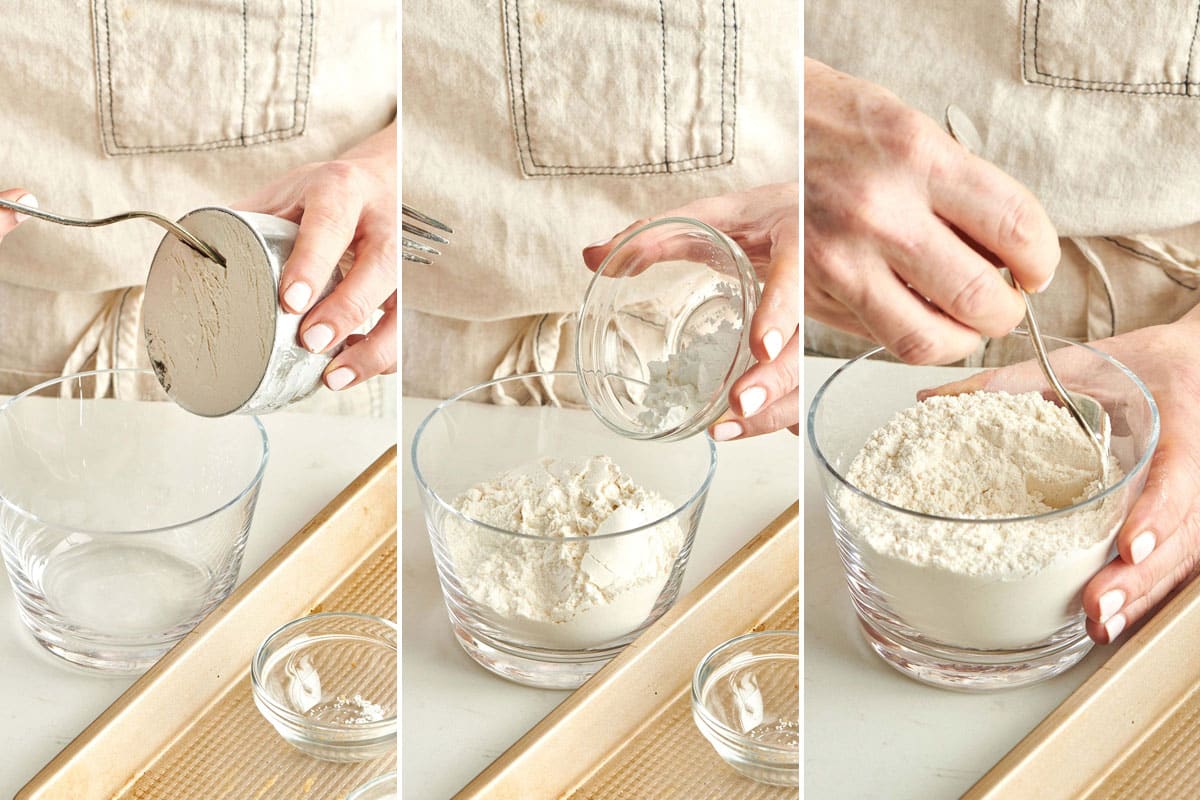 How Do I Make Self Rising Flour At Home
Plus, you control the salt level. If you’re watching your sodium, cut it in half. The baking powder does the heavy lifting for lift, anyway.
Also, let’s be honest. It makes you feel like a kitchen wizard. You literally just created a specialty product in ten seconds.
Pro Tips From a Slightly Obsessive Cook
Use your homemade stuff right away if you can. Baking powder is a diva—it loses its oomph over time. If you make a big batch, store it in an airtight container.
Label it, for the love of all that is fluffy. You don’t want to grab your “self-rising” jar three months later and make pancakes that taste like your grandma’s dusty attic.
And here’s a secret: sift the flour mixture before using it. Sifting breaks up clumps and aerates the flour. Your biscuits will thank you by rising to the heavens.
What Can You Make With It?
Literally anything that calls for self-rising flour. Biscuits are the classic. Buttermilk, butter, a hot oven—heaven in a basket.
You can also make pancakes, scones, or even a quick loaf of bread. It’s the ultimate shortcut for lazy Sunday mornings.
Seriously, my favorite thing is to use this mix for drop biscuits. No rolling, no cutting. Just scoop and bake. Your inner sloth will rejoice.
The Emergency Backup Plan
What if you have no baking powder? Stop right there. You can’t make self-rising flour without some leavening agent. Baking powder is non-negotiable.
But if you have baking soda and cream of tartar, congrats—you just made DIY baking powder. Combine 2 parts cream of tartar with 1 part baking soda. Then use that in your ratio.
Yeah, it’s a little extra work. But you’re a coffee-chatting, panicking baker. You’ve got this.
Final Thoughts (Before You Run to Your Kitchen)
Don’t stress about perfection. Baking is supposed to be fun, not a pop quiz. If your first batch of biscuits is a little flat, blame the humidity. Or your oven. Or that one weird cabinet that’s always warm.
The point is: you saved a trip to the store. You used what you had. You’re basically a culinary hero.
So go on. Make that flour. Bake those biscuits. And pour yourself another cup of coffee. You’ve earned it.
