How To Replace Powdered Sugar With Granulated Sugar

Let’s be real for a second. You’re halfway through a recipe for a classic buttercream or a dusting of snowy bliss on your morning French toast, and you reach into the pantry o...
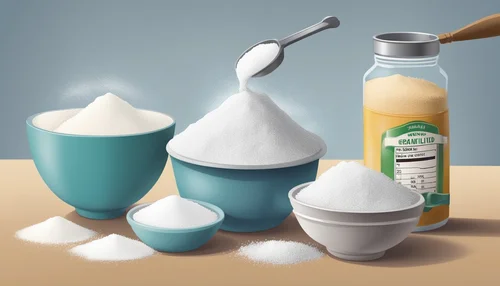
Let’s be real for a second. You’re halfway through a recipe for a classic buttercream or a dusting of snowy bliss on your morning French toast, and you reach into the pantry only to find your powdered sugar bag is tragically empty. It’s a classic kitchen crisis, but don’t panic—you almost certainly have a solution sitting right there in a canister.
That solution is granulated sugar, the same stuff you use for your morning coffee or for crisping up your crème brûlée. While they look like distant cousins, these two sugars play very different roles. Powdered sugar, also called confectioners’ sugar, is just granulated sugar that has been mechanically ground into a fine powder and mixed with a little cornstarch to prevent clumping.
The Great Swap: What You Need to Know
You cannot simply swap them one-for-one by volume and expect the same result. Think of it like swapping a fluffy cashmere sweater for a heavy denim jacket—they both keep you warm, but the texture is completely different. The cornstarch in powdered sugar is the secret agent that thickens frostings and prevents sauces from getting gritty.
Must Read
Here is the golden rule: For every 1 cup of powdered sugar your recipe calls for, you will need about 1 cup of granulated sugar plus 1 tablespoon of cornstarch. Yes, you are literally making your own powdered sugar at home. It’s a modern version of an old-fashioned kitchen trick, and it works like a charm.
The Blender Trick (Your New Best Friend)
Grab your high-speed blender, a clean coffee grinder, or even a food processor. Add the granulated sugar and cornstarch—use the ratio above—and blitz it on high for about 30 to 60 seconds. Stop and scrape down the sides if you see any stubborn crystals floating around.
You’re looking for a cloud of fine, silky powder that billows up when you open the lid. Let it settle for a minute to avoid a flour-like explosion in your kitchen. Pro tip: Never grind sugar for too long, or you’ll risk melting it into a sticky mess—trust us, that’s a science experiment, not a frosting.
When It Works (And When It Doesn’t)
This homemade swap is perfect for royal icing, simple glazes, and dusting desserts where the cornstarch won’t be noticed. It’s also a lifesaver for whipped cream stabilization or for thickening a quick fruit sauce. But here’s the catch: if you need a pure icing for a mirror glaze or a delicate French buttercream, the cornstarch can add a slight chalky mouthfeel. Use caution in those high-end recipes.
Another wild card: this DIY powder will absorb moisture faster than the store-bought stuff, so use it immediately. Don’t try to store it for a month—it might turn into a hard brick. Think of it as a fresh, one-time-use ingredient, not a pantry staple.
A Cultural Shortcut (Baking Without Borders)
In many parts of the world, especially in small European bakeries and home kitchens across Asia, cooks have been using this hack for generations. They often use a mortar and pestle or a simple sieve with a spoon to break down crystals. It’s a reminder that necessity is the mother of invention—and also the mother of a really good last-minute cookie.
Ever notice how a dusting of sugar on a churro or a slice of baklava looks so elegant? That’s the illusion of powdered sugar. But you can achieve that same visual effect with your homemade version, you just need to sift it through a fine-mesh sieve before applying. The sifting is what separates the Instagram-worthy from the “I tried” look.
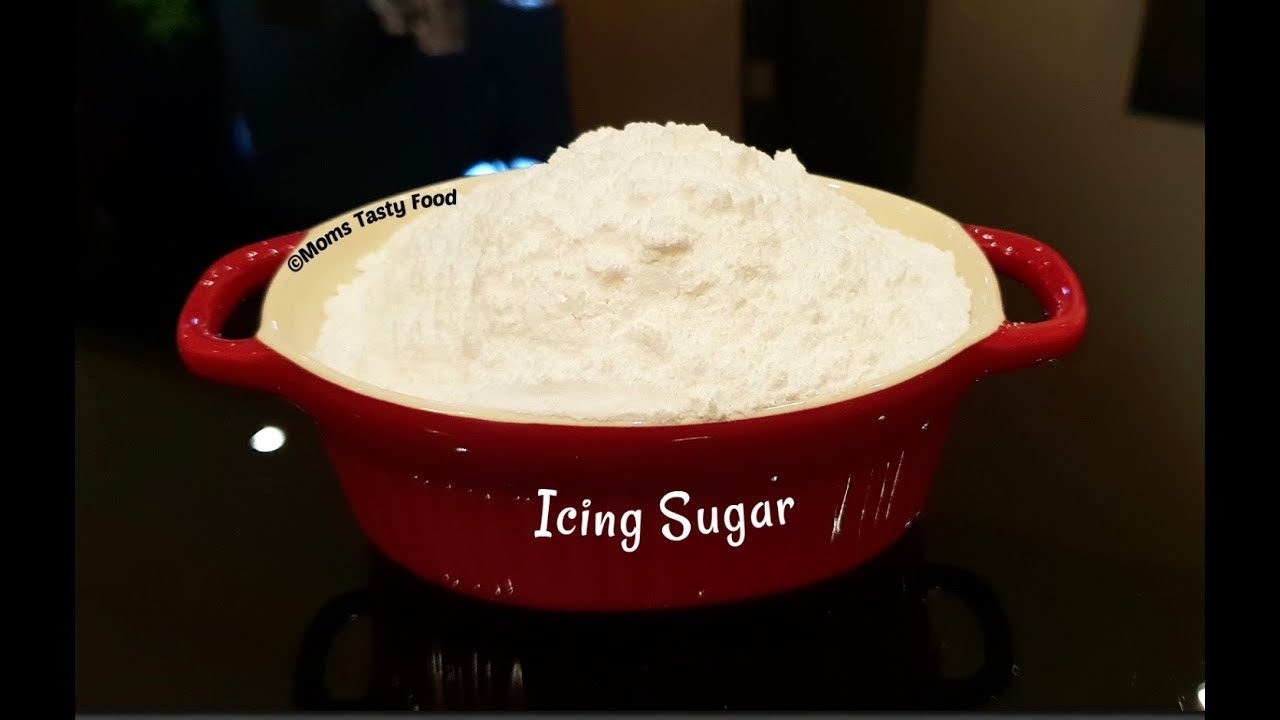 How To Substitute Confectioners Sugar For Granulated Sugar – XSXIUJ
One More Niche Move: The Savory Twist
Here’s a fun little fact: granulated sugar is actually better than powdered for certain savory applications. For instance, when making a dry rub for ribs or a spice mix for roasted nuts, granulated sugar gives you a satisfying crunch that powdered sugar (with its cornstarch) simply cannot replicate. So sometimes, using the original form is the superior choice.
Also, if you’re a cocktail enthusiast (hello, espresso martini or a classic sour), you might notice that powdered sugar dissolves much faster and without the gritty residue that granulated sugar leaves behind. That’s why bartenders often keep a shaker of it nearby—it’s their little secret weapon. Your homemade version works beautifully here, too.
The Emergency Roadmap
If you’re truly in a pinch—no blender, no grinder, no time—you can still use granulated sugar as is, but you must adjust your expectations. For a cookie dusting, simply sprinkle it on top of the baked goods while they’re still warm. It will melt slightly and create a crackly, crunchy topping rather than a soft, fluffy one.
For a quick syrup, dissolve 1 cup granulated sugar in ¼ cup warm water and add a drop of cornstarch slurry if you want that “frosting” body. It’s not the same, but it’s close enough for a Tuesday afternoon. And honestly? Most people won’t know the difference unless you tell them.
Here is a final practical tip: always measure your cornstarch by weight if you can. A kitchen scale is the most accurate way to avoid a gummy, pasty result. If you’re using volume, level off the tablespoon with a knife—don’t scoop heaping spoonfuls.
Reflection: The Beauty of Imperfection
There is something quietly satisfying about making a substitution like this. It reminds you that cooking and baking are not about rigid rules, but about understanding why things work. You are not just following a recipe—you are decoding it. That’s a small act of rebellion against fast, pre-packaged everything.
So next time you hit that pantry wall, smile. You have the tools, the science, and the courage to improvise. In a world that often demands perfection, it’s the slightly imperfect glaze, the last-minute substitution, the “I made it work” frosting that tastes the most like home. And that, my friend, is the sweetest thing of all.
