How To Substitute All Purpose Flour For Whole Wheat

The first time I tried to swap whole wheat flour into my grandma’s chocolate cake recipe, I swear the thing came out looking like a mud brick. It was dense, dry, and tasted li...
The first time I tried to swap whole wheat flour into my grandma’s chocolate cake recipe, I swear the thing came out looking like a mud brick. It was dense, dry, and tasted like someone mixed sawdust with cocoa powder. I stood there, holding this sad little hockey puck, and thought, “This is why people hate healthy baking.”
But here’s the thing: I wasn’t listening to the flour. Whole wheat is not all-purpose’s grumpy cousin—it’s just a flour that needs a little more love. And once you get the hang of it, you can sneak fiber into everything without anyone throwing a tantrum at the table. Let’s fix that mud brick, shall we?
Why straight swaps fail (and how to stop the tragedy)
You can’t just swap one cup of all-purpose for one cup of whole wheat and call it a day. Whole wheat absorbs more liquid because its bran particles are like tiny sponges. If you don’t add extra moisture, your baked goods will turn into doorstops.
Must Read
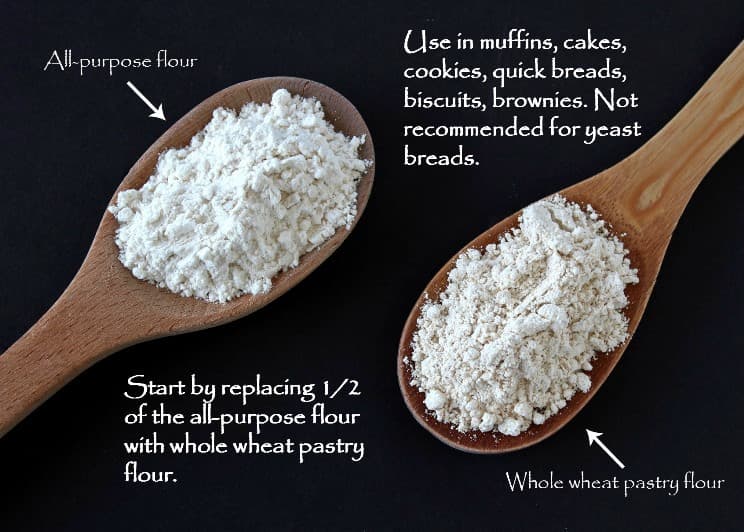
Rule one: start by replacing half the all-purpose flour with whole wheat. For every cup of whole wheat you add, throw in an extra tablespoon of water or milk. That’s it. Your cookies will still be chewy, not crumbly.
The hydration game (don’t skimp)
For things like muffins or banana bread, bump up your liquid by another 2–3 tablespoons per cup of whole wheat. Yes, the batter will look thinner—but trust the process. Whole wheat takes its sweet time to soak up moisture, so let the batter rest for 15 minutes before baking. It’s like a little spa treatment for the dough.
And here’s a sneaky trick: swap out a tablespoon of milk for an extra splash of sour cream or yogurt. The acidity tenderizes the gluten, making your bread fluffier and less like a brick. Your grandma would approve.
Acid is your friend (ironic, right?)
Whole wheat flour has a slightly bitter, nutty taste that some people compare to cardboard. To counter that, add something acidic: buttermilk, lemon juice, or even a teaspoon of apple cider vinegar. You won’t taste it, but your cake will suddenly taste “normal.”
I once made whole wheat pancakes with a splash of orange juice, and my roommate thought they were made from fancy artisan flour. That’s the power of acid—it cuts through the bran’s bitterness like a ninja.
Don’t forget the sweet stuff
Whole wheat can make things taste flat, so bump up your sugar or honey by a tablespoon. Before you yell at me about sugar: you’re already saving fiber and nutrients, so a tiny extra sweetener won’t kill you. Try honey or maple syrup—they play nicely with whole wheat’s earthy notes.
For savory recipes, like pizza dough, skip the sweetener and add a pinch of Italian herbs. The herbs cover up the “healthy” aftertaste. You’re welcome.
 How to Substitute Whole Wheat Flour for All-Purpose Flour - Healthy
Resting: the magic trick nobody talks about
After you mix your whole wheat batter or dough, let it rest for 10–30 minutes. This gives the bran time to absorb liquid and soften, which means your final product won’t be gritty. I know you’re impatient. We all are. But that rest break is the difference between “Eh” and “Omg, is this really whole wheat?”
I once skipped the rest for a batch of whole wheat biscuits, and they tasted like someone ground up a tree. The next batch, I let them sit for 20 minutes—they came out golden, tender, and my husband asked for the recipe. See? Patience pays.
If you’re making bread, adjust the kneading
Whole wheat dough is stickier and less elastic than white flour dough. Don’t panic and dump in more flour—just oil your hands and work with a wet bench scraper. The gluten in whole wheat is weaker, so knead gently. Overkneading leads to tough bread, and nobody wants that.
For yeasted breads, reduce the yeast by ¼ teaspoon per cup of whole wheat. And add a dash of vital wheat gluten if you’re feeling fancy—it gives the bread that chewy bounce we all crave.
The final cheat sheet (bookmark this)
For every cup of all-purpose flour you replace with whole wheat:
• Add 1–2 tablespoons extra liquid
• Rest the batter 15 minutes
• Add a splash of acid (buttermilk/yogurt/vinegar)
• Increase sweetener by 1 tablespoon (optional, for sweet recipes)
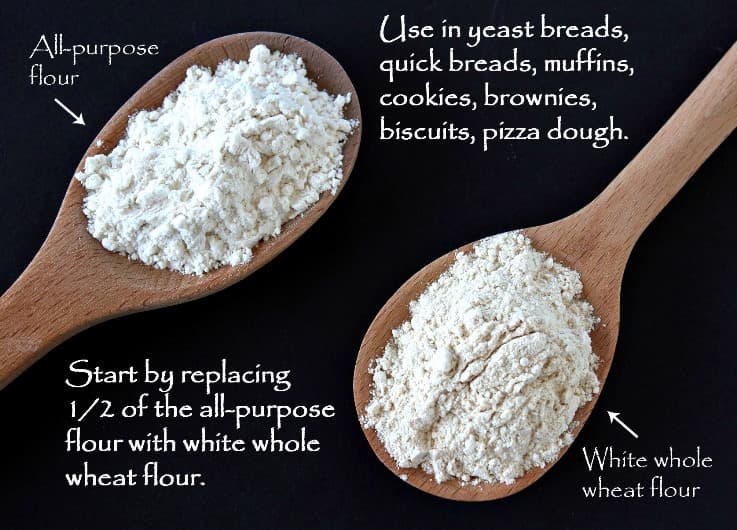
And if you’re really nervous, start with white whole wheat flour. It’s made from a lighter grain and behaves way more like all-purpose. It’s the training wheels of whole wheat baking.
Look, I’m not saying you’ll turn into a health guru overnight. But you can make a chocolate cake that tastes indulgent while secretly packing fiber. And isn’t that the best kind of rebellion? Go forth, hydrate your flour, and bake something that doesn’t need a chisel to eat.
