Is Baking Cocoa The Same As Unsweetened Cocoa Powder

We’ve all been there. You’re mid-bake, craving that deep, fudgy brownie, and you grab a tin labeled “baking cocoa.” Then you see the recipe calling for “unsweetened cocoa powd...
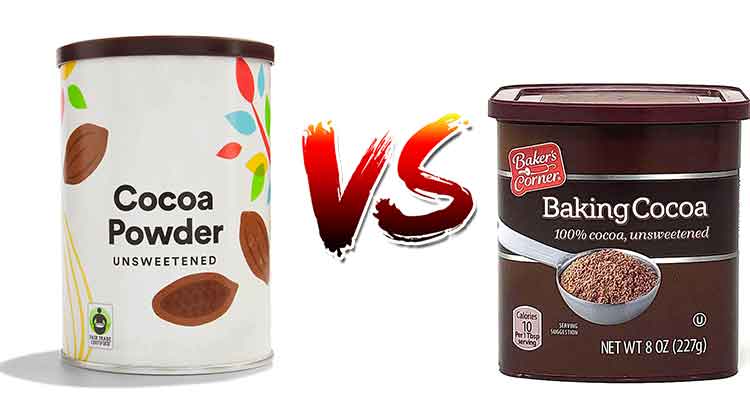
We’ve all been there. You’re mid-bake, craving that deep, fudgy brownie, and you grab a tin labeled “baking cocoa.” Then you see the recipe calling for “unsweetened cocoa powder.” The panic is real. Are they the same thing? The short answer is yes, they are identical. Baking cocoa and unsweetened cocoa powder are just two names for the same pantry hero.
Think of it like this: all squares are rectangles, but not all rectangles are squares. Here, baking cocoa is a marketing term that specifically means unsweetened cocoa powder. It’s the pure, roasted cocoa solids with all the fat (cocoa butter) and sugar removed. There’s no trickery, no secret ingredients.
The Great Cocoa Confusion
The real confusion comes from the other players in the cocoa aisle. You have your “hot cocoa mix,” which is loaded with sugar and milk powders. Then there’s “Dutch-processed cocoa,” which is alkalized to be darker and smoother. Baking cocoa is always the natural, acidic kind. It’s the one that reacts with baking soda to make your cakes rise.
Must Read
Fun fact: Natural cocoa powder (baking cocoa) has a pH between 5 and 6. That slight acidity is what gives it that sharp, almost fruity edge. Dutch-process pushes that pH up to 7 or 8, making it neutral and mellow. For brownies? Natural is often the winner for that intense chocolate punch.
Why Your Recipe Demands It
Ever wonder why a recipe specifies “unsweetened” cocoa? It’s not just to be bossy. Sugar affects moisture, texture, and how the batter expands. Using sweetened cocoa would throw off the whole chemical dance. Your cookies could spread into pancakes, and your cake might sink into a sad, gummy puddle.
Think of it as a blank canvas. Baking cocoa is pure, uncompromised chocolate flavor. You are the artist. You decide the sweetness, the structure, and the depth. This is why professional bakers and home cooks alike reach for it first.
Practical Tip: The Two-Hand Test
If you’re still unsure, do a quick sniff test. Open the tin. Natural baking cocoa smells sharp, almost like red wine or berries. It’s tangy and intense. Dutch-process cocoa smells more like dark chocolate—smooth, rounded, a little nutty. If it smells sweet, it’s a mix.
Another pro move: check the label for “added sugar” or “sweeteners.” If the ingredients list only one thing—“cocoa powder” or “cocoa processed with alkali”—you’re golden. If it lists sugar, corn syrup, or milk solids, put it back.
A Cultural Note: The Brownie Wars
You’ll find this debate raging in every baking forum. Some swear by natural baking cocoa for the fudgiest, most intense brownie. Others love Dutch-process for its silky, dark richness. The "Ghirardelli vs. Hershey’s" battle is basically a proxy war for this. Both are unsweetened, but Ghirardelli is natural, while Hershey’s is often Dutch-processed.
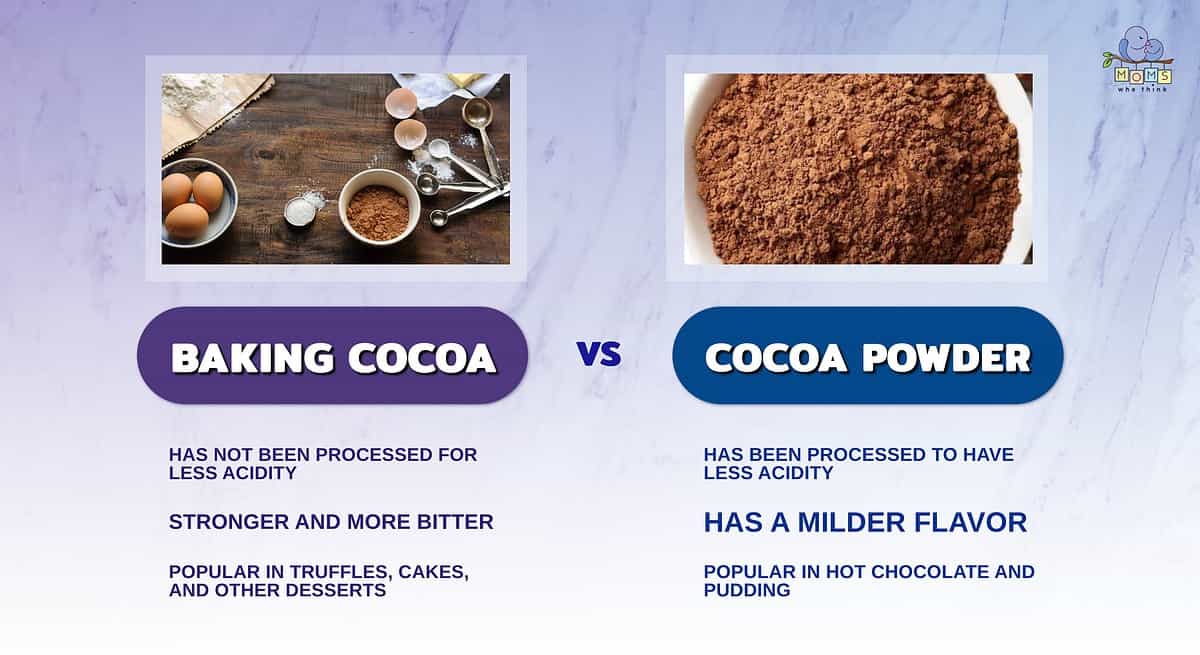 Baking Cocoa vs. Cocoa Powder: When to Use Each
Fun fact: The original 1896 Fannie Farmer brownie recipe called for “Baker’s Unsweetened Chocolate,” which is the same as baking cocoa in solid form. She knew. She wanted that acidic kick to react with baking powder. The tradition is over a century old.
The Quick Reference Cheat Sheet
Here’s your takeaway: if a recipe says “unsweetened cocoa powder,” just grab the baking cocoa. If it says “Dutch-process,” don’t swap. Natural is sharper and better for cakes and quick breads. Dutch is mellow and better for puddings and frostings.
One sneaky substitution: Out of cocoa? For brownies, you can melt unsweetened baking chocolate and reduce the butter. But that’s a story for another day. For now, just know that your baking cocoa tin is your best friend.
A Little Reflection
This whole confusion reminds me of something simple: we often overthink the things we use every day. Baking cocoa is just cocoa. It’s honest, unadorned, and waiting to be transformed by your hands. It doesn’t need fancy names or marketing hype.
So next time you’re in that aisle, take a breath. Grab the tin that says “baking cocoa.” You’ve got this. Mix it with butter, eggs, and sugar, and watch it become something warm and comforting. In a world full of complicated choices, sometimes the simplest ingredient is exactly what you need.
Now go make those brownies. Your kitchen deserves that smell. And you deserve that first, perfect bite.
