Is Geothermal Renewable Or Nonrenewable Resource

So, you’re standing in front of your coffee machine (or maybe it's a geothermal heat pump, I don’t judge), wondering: is geothermal actually renewable? Spoiler alert: yes, but...
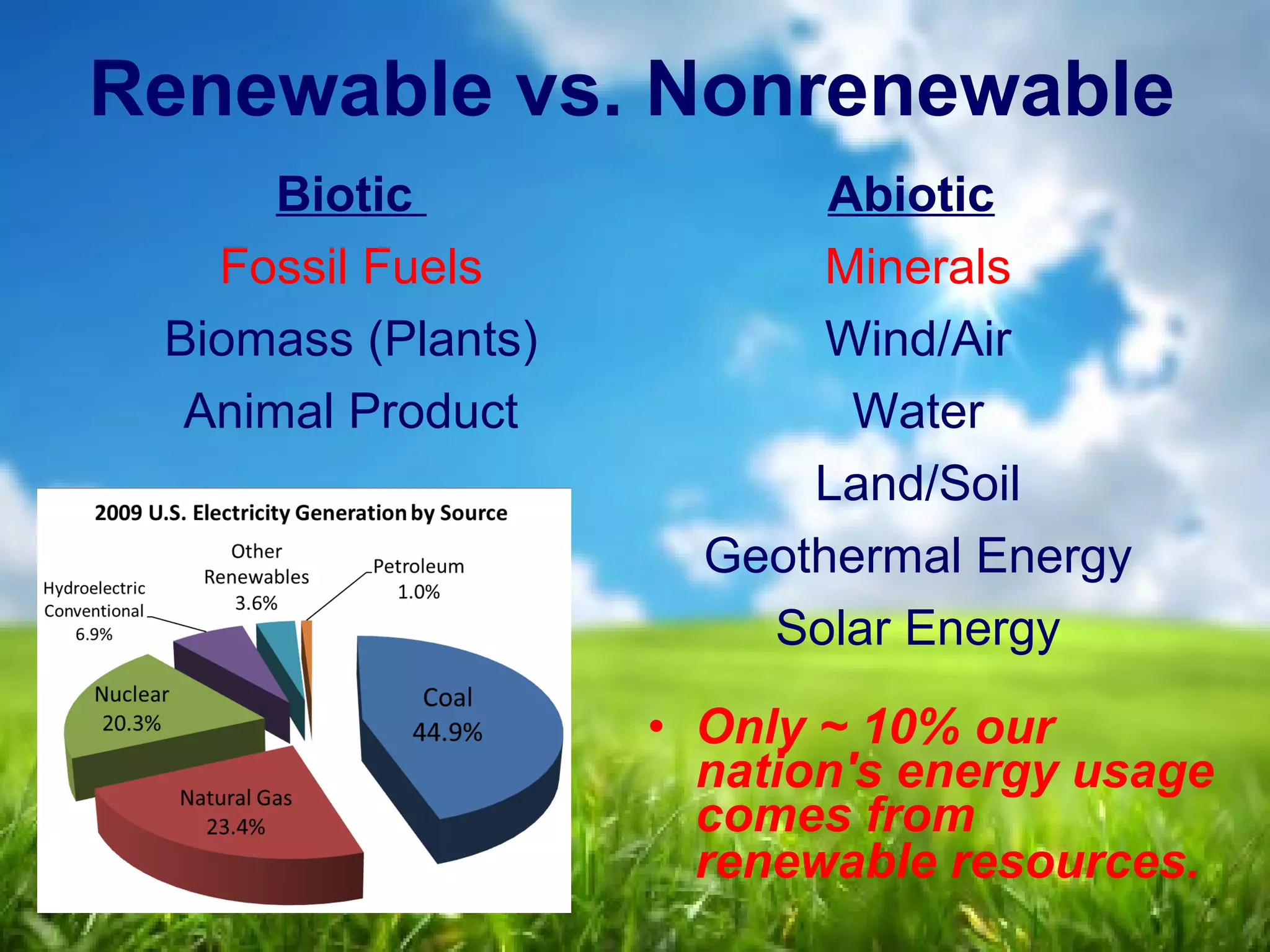
So, you’re standing in front of your coffee machine (or maybe it's a geothermal heat pump, I don’t judge), wondering: is geothermal actually renewable? Spoiler alert: yes, but it’s a little more complicated than a solar panel on a sunny day. Grab your mug—let’s dig into this like we’re drilling for steam.
First, the good news: geothermal energy comes from the Earth’s core. That core is stupidly hot—like, 10,000 degrees Fahrenheit hot. It’s been that way for billions of years, and it’s not cooling down anytime soon (well, not in our lifetime, so relax).
Now, here’s the tricky part: the resource you’re tapping into is renewable, but the well itself? That can act like a grumpy teenager. If you pull out hot water or steam faster than the Earth can recharge it, the well goes cold. Ever tried to get a second latte from an empty pot? Yeah, like that.
Must Read
What makes it “renewable” anyway?
Officially, renewable means the energy source is replenished naturally on a human timescale. The sun shines, wind blows, water flows—basic stuff. Geothermal? The Earth’s internal heat is constantly generated by radioactive decay and leftover heat from its formation. That’s pretty eternal if you ask me.
But here’s where the nuance sneaks in like a cat hiding under the couch. The fluid (water or steam) that carries that heat to the surface can be exhausted if you’re greedy. Think of it like this: the oven is always on, but if you keep opening the door and letting all the heat out, someone’s going to start shivering.
That’s why modern geothermal plants use something called “reinjection.” They pump the cooled water back into the ground. It’s like recycling your coffee grounds—you’re not wasting the bean, just the flavor.
The “nonrenewable” myth (and why people get confused)
Some critics say geothermal is nonrenewable because a specific well can cool down after 20 to 50 years. That’s technically true, but it’s like saying your phone battery isn’t renewable because it dies after a day. You just need to recharge it, dummy. The Earth does that for you—slowly, but surely.
Compare that to oil or coal: once you burn them, they’re gone forever. No second date. No recycling. No “oops, I’ll just wait a million years.” That’s the definition of nonrenewable. Geothermal isn’t that. It’s more like a stubborn friend who takes a while to text back but eventually does.
And let’s not forget enhanced geothermal systems (EGS). This is the cool new kid on the block. You fracture hot, dry rocks and inject water to create your own steam. It’s like making a hot stone soup for the grid. And it’s basically inexhaustible.
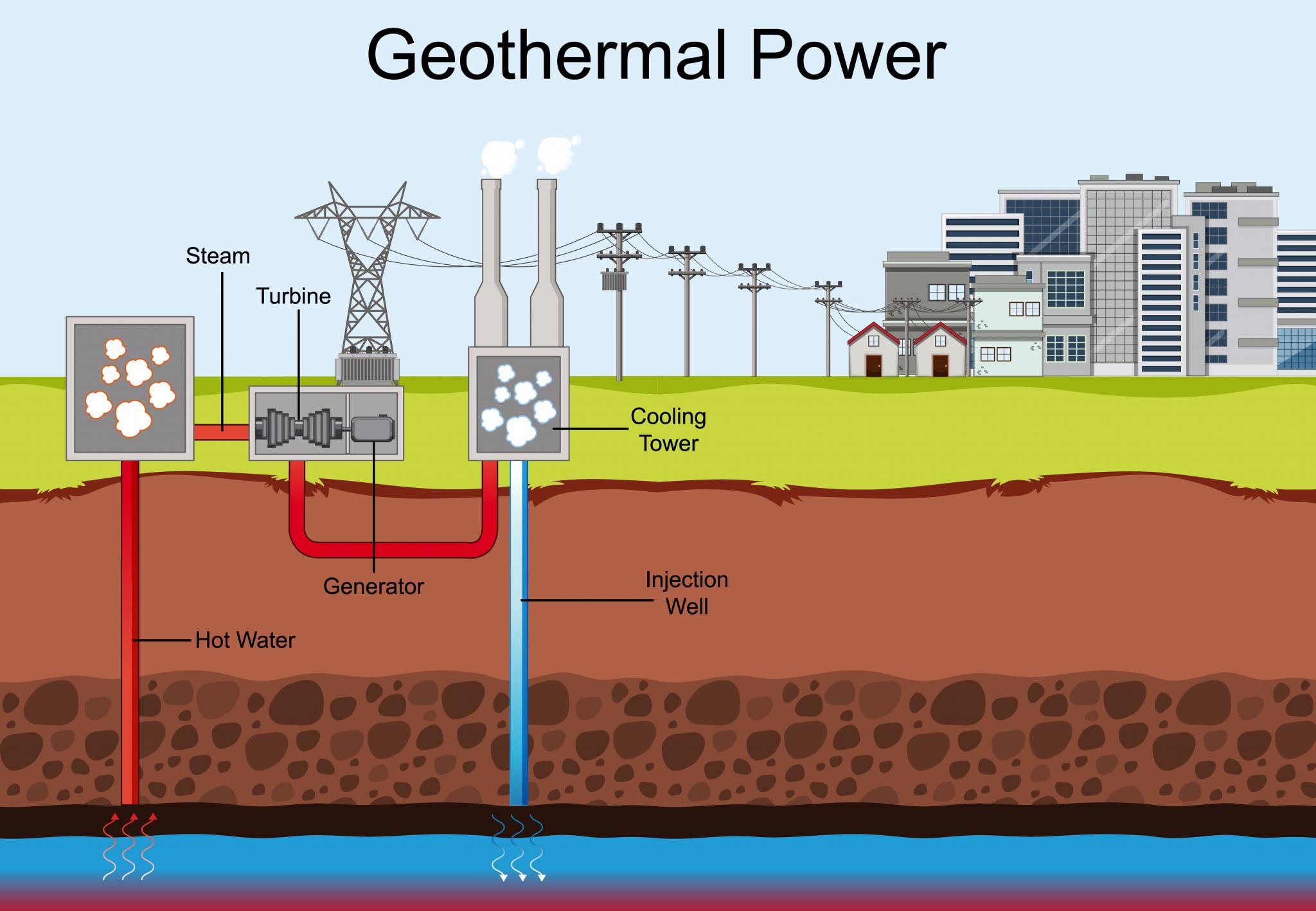 What Are The Parts Of Geothermal Power Plant at Sandra Mcgregor blog
So, is it renewable or not? Give me the straight answer.
Alright, fine. The official answer from the U.S. Department of Energy and pretty much every sane scientist: yes, geothermal is renewable. But—there’s always a but—it’s not infinite on a local, site-by-site basis. You have to manage it like a good sourdough starter, not like a money-printing machine.
Now, let’s talk scale. Iceland? They’re practically swimming in geothermal energy. They heat their sidewalks with it. (Yes, literally. Ice doesn’t stand a chance.) They can use a well for decades. In other places, like parts of the U.S., you might get 30 years out of a well before it cools down. But guess what? You can drill another one nearby. The Earth’s heat isn’t going anywhere.
In fact, the total potential of geothermal energy is massive. The heat in the top 10 kilometers of the Earth’s crust is roughly 50,000 times more energy than all the oil and gas reserves on the planet. I’ll say that again: fifty thousand times. That number is so big it made me spill my coffee. Sorry, carpet.
But what about the “nonrenewable” label from some textbooks?
Yeah, some old textbooks called it nonrenewable because they were thinking of local hot springs that dried up. That’s like saying all rivers are nonrenewable because a small pond evaporated once. We know better now. The resource base is renewable; the local reservoir might just need a nap.
Also, consider this: geothermal plants have a capacity factor of over 90%. That means they’re churning out electricity almost all the time, unlike solar or wind that are moody depending on weather. It’s the reliable friend who always shows up to brunch.
So the next time someone tells you geothermal isn’t truly renewable, just smile and say, “The Earth’s core would like a word.” Then offer them a coffee—preferably one heated by a geothermal plant, because that’s very on-brand.
Bottom line? Geothermal is renewable on any scale that matters to us short-lived humans. It’s clean, it’s steady, and it’s basically the lava lamp of energy sources—warm, soothing, and full of slow-moving awesome. Drink up.
