Is Pumpkin Pie Supposed To Be Liquidy Before Baking

So, you’re staring at a bowl of pumpkin pie filling, and it looks more like a bath for a graham cracker than a dessert. Is this supposed to be happening? You’re not alone; eve...
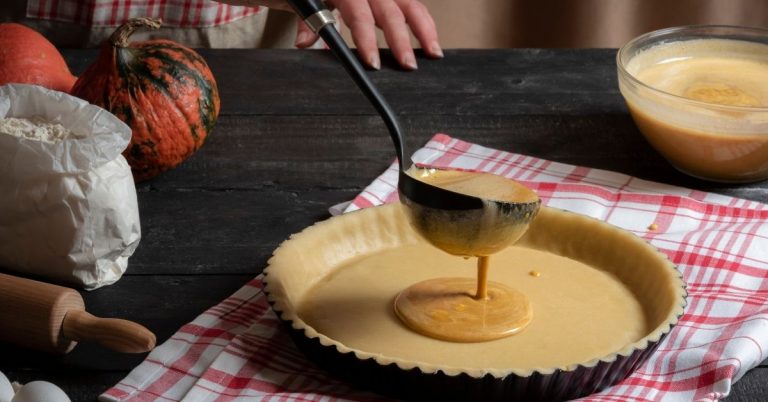
So, you’re staring at a bowl of pumpkin pie filling, and it looks more like a bath for a graham cracker than a dessert. Is this supposed to be happening? You’re not alone; every single first-time pie-maker has this panic attack. Let’s get one thing straight right away: yes, your pumpkin pie filling should be liquidy before baking. It’s not a mistake, it’s not a curse, and it’s definitely not a sign you’ve just made spicy pumpkin soup.
Why It Looks Like a Wobbly Mess
Think of your filling as a custard in disguise. At this point, it’s just eggs, milk, and pumpkin puree having a little pool party. The eggs are the lifeguards here; they’ll firm up and save everything once heat enters the chat.
If your filling were thick and scoopable now, you’d end up with a brick of a pie later. Nobody wants a pie you could use as a doorstop, right?
Must Read
The Science-y Bit (But Make It Fun)
Here’s the magic: proteins in the eggs unravel and then tangle together as they heat up. This is what turns your liquidy situation into a silky, sliceable dessert. It’s alchemy, but with nutmeg. The filling needs to flow evenly in the crust, so it has to be thin enough to settle into every nook and cranny.
If it’s too thick, you’ll have uneven baking and a crust that looks like a lumpy mattress. So, embrace the slosh!
How Liquidy Are We Talking?
Okay, there’s a difference between “wobbly like Jell-O” and “thin like milk.” Your filling should be smooth and pourable, like a thick milkshake or a very lazy pudding. If it’s so watery it splashes, you might have used too much milk or forgotten the eggs—oops.
A good test? Dip a spoon in and lift it up; the mixture should coat the back of the spoon and slowly drip off. If it runs off like rain, add a tablespoon of flour and stir.
The Great Crust Panic
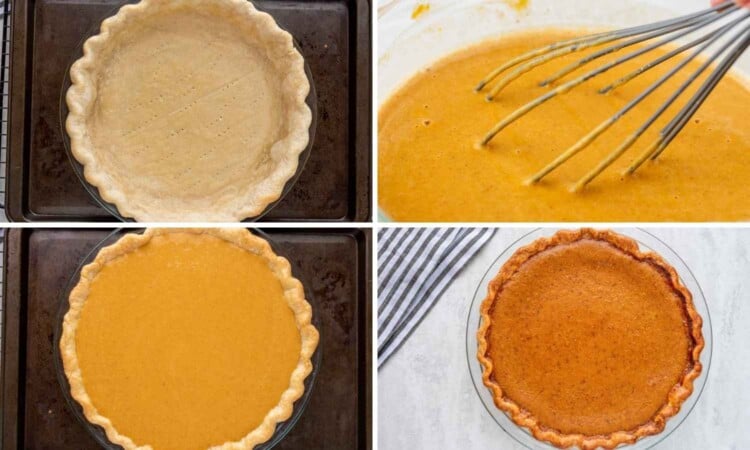
Yes, you’re pouring this liquid into a delicate, buttery crust. It feels wrong, like pouring water into a paper boat. But here’s the pro tip: blind bake your crust for about 10 minutes first. This creates a tiny barrier that prevents the filling from turning your crust into a soggy carpet.
If you don’t blind bake, don’t sweat it—just pour carefully and bake on the lowest rack. The bottom heat will help the crust set faster than the filling.
 Best Homemade Pumpkin Pie Recipe - Little Sunny Kitchen
Signs You’ve Gone Too Far (The Opposite Problem)
What if your filling is too thick? That means you over-mixed or used an extra egg. A thick filling will crack on top and taste like rubbery sadness. Nobody wants a rubbery sadness pie.
So, when in doubt, stick to the recipe. Trust your ingredients. And if you’re still nervous, remember: eggs are magical little orbs of firming power.
The Bake-Off Finale
You’re not making a pumpkin pie, you’re directing a tiny food movie. The oven is the theatre, and the liquid is the actor. When it comes out, it should jiggle like a happy belly in the center, not like a water balloon. Give it time to cool, and it will set up like a champ.
If it still looks a tad wobbly after cooling, don’t cry! A little wiggle means it’s perfectly custardy. You want a pie that nods when you tap it, not one that slaps you back.
The Uplifting Conclusion (You Got This!)
So, to wrap it up: yes, it’s supposed to be liquidy. You are not a failure; you are a pie artist in the making. That sloshy mess is just a caterpillar waiting to turn into a butterfly of spices and cream.
Take a deep breath, pour it in the crust, and pop it in the oven. In an hour, you’ll have a golden, fragrant masterpiece that makes everyone at the table go “Mmm.” And if it cracks a little? Call it “rustic charm.” You’ve got this, and you’re going to eat something amazing. Happy baking, you magnificent pumpkin wizard!
