Ventless Gas Fireplace Not Lighting But Pilot Is On

So, your ventless gas fireplace is having a moment. The pilot light is on, that tiny blue flame flickering with quiet confidence, yet the main burners refuse to join the party...
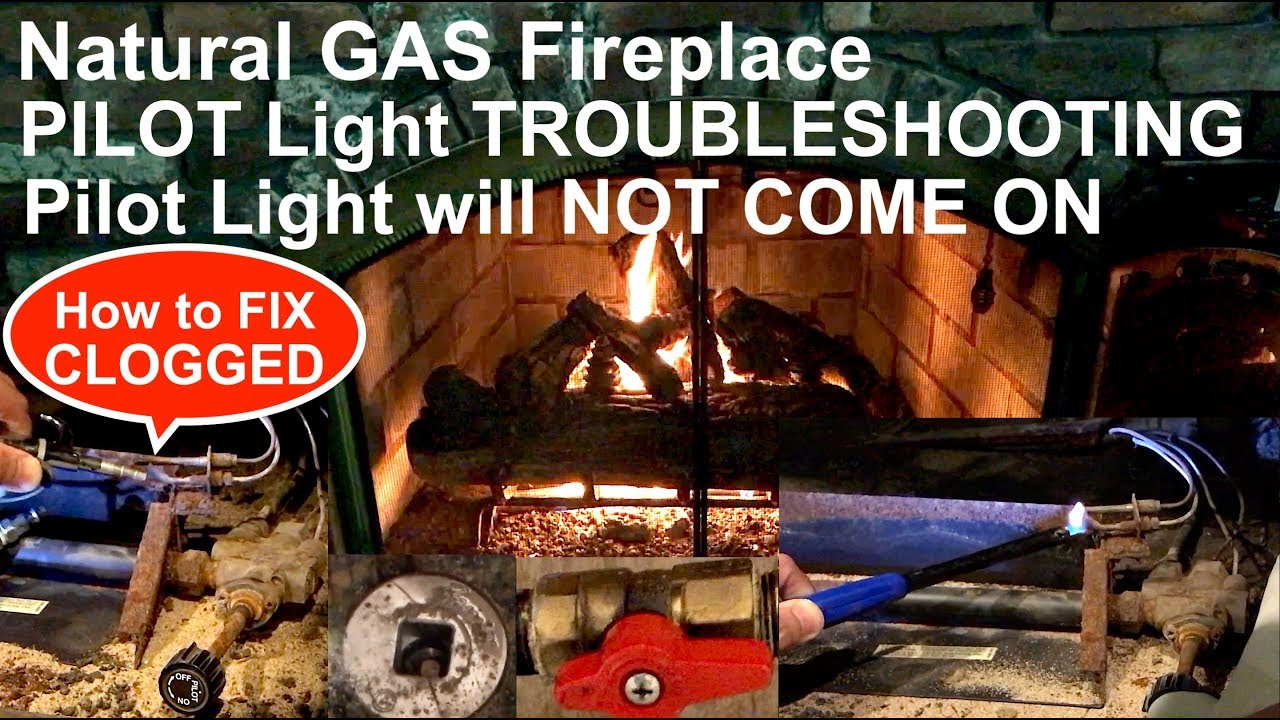
So, your ventless gas fireplace is having a moment. The pilot light is on, that tiny blue flame flickering with quiet confidence, yet the main burners refuse to join the party. It’s a bit like your coffee maker heating water but refusing to brew—technically working, but missing the main event. Before you call a technician and dive into a spiral of service fees, let’s demystify this cozy conundrum.
The Pilot Light: A Tiny Flame with Big Responsibilities
First, a little awe for that pilot light. In a ventless fireplace, it’s not just a decoration—it’s the safety gatekeeper. It heats a thermocouple or thermopile, which generates a small electrical current that tells the gas valve, “Hey, it’s safe to open up.” If that current is weak, the valve stays stubbornly shut, even though the flame is still visible.
Think of it like a bouncer at a club who sees your ID but decides the photo isn’t close enough. The pilot is there, but the heat it produces might not be reaching the sensor correctly. This is the most common culprit for the “pilot on, no fire” drama.
Must Read
Fun Fact: The “Thermocouple” is a Metal Marriage
That little sensor is made of two different metals fused together. When heated, they create a tiny voltage—a principle discovered in 1821 by Thomas Seebeck. It’s basically a primitive battery powered by your pilot flame. If the flame is too yellow, too lazy, or the sensor is dirty, that battery runs flat.
In the 1980s, fireplace manufacturers started using these to replace the old, less-safe standing pilots. So thank science, and maybe a German physicist, for not letting your living room fill with unlit gas while you’re reading a magazine.
Step One: The Dust Bunny Intervention
Check the thermopile and thermocouple. Over a season of sitting idle, these little metal rods can collect dust, pet hair, or a fine film of cooking grease. Even a speck of debris can insulate them from the heat. Gently clean them with a soft brush or compressed air—no steel wool, please.
While you’re at it, inspect the pilot flame itself. It should be a crisp, blue cone, about half an inch tall, wrapping around the sensor. If it’s lazy, orange, or sputtering, the gas orifice might be clogged. A can of compressed air aimed at the pilot assembly can work wonders, but avoid blowing directly into the gas line.
Practical Tip: The “Q-Tip” Test
If you can’t see the sensor clearly, use a clean, dry cotton swab to gently wipe it. If the swab comes away black or grey, you’ve found your issue. Do not use alcohol or cleaners—they can leave a residue that burns off unevenly. Dry cleaning is the name of the game.
Step Two: The Electric Slide (of the Gas Valve)
If the sensor is clean and the flame is strong, look at the gas valve. Some models have a manual override or a “HI/LO” setting that can get stuck in an intermediate position. Toggle it firmly. Also, check if the fireplace is receiving power to its electronic ignition module—even ventless gas fireplaces often need a battery backup or a wall switch to activate the main burners.
Replace the batteries in the remote or wall receiver if you have one. Yes, even gas fireplaces can be picky about batteries. A dying AA battery can feel like a dead gas line. It’s the 2024 equivalent of “did you check the cable?”
 Gas Fireplace Pilot Light Not Working – YOFU
Cultural Reference: The Fireplace as a Plot Device
Remember in Friends when Monica’s fireplace won’t light and Chandler makes a joke about the “flame being a metaphor for their relationship”? Your fireplace is basically Chandler Bing right now—clearly functional (pilot on!) but emotionally unavailable. The fix is usually simpler than a rom-com resolution.
In many homes, the gas log set was installed by someone who used a “flex line” that can kink if the unit was moved during cleaning. Check if the gas line behind the fireplace is straight and unbent. A kinked line is like a pinched artery—the pilot gets a trickle, the main burners get nothing.
The DIY No-Go Zone
If none of the above works, stop and call a professional. Ventless fireplaces are efficient because they burn gas completely, but if the control valve is faulty, you’re dealing with raw gas in your living space. The International Residential Code (IRC) requires these units to have an oxygen depletion sensor (ODS) that shuts everything down if oxygen levels drop. That sensor might have failed.
Also, note the age of your unit. Many ventless fireplaces have a 10-year lifespan on their control components. If yours is older, the thermopile might simply be worn out—a $30 part that only a pro should replace if you’re not comfortable with gas fittings.
Fun Fact: The “Blue Flame” Myth
A perfect blue flame is efficient, but a ventless fireplace actually needs a tiny bit of yellow at the tip to indicate complete combustion. If you see pure blue, it might be burning too lean. If it’s all yellow, it’s wasting gas and producing carbon monoxide. The pilot should be blue—the main burners, a soft blue with orange tips. Balance is everything.
Connecting Back to Daily Life
In the end, a fireplace that won’t light is just a gentle nudge from the universe to slow down. We spend so much time expecting instant warmth, instant results, instant fire. But sometimes the pilot is on, and the rest just needs a little patience—a clean sensor, a fresh battery, a quiet reset.
When you finally hear that soft whump of ignition and see the flames dance, it’s a small victory. A reminder that most problems are just dust and misalignment, not catastrophes. And as you sit back, warm and victorious, you’ll appreciate the glow a little more—because you earned it. Sometimes the best fire is the one you almost gave up on.
