What Age Is The Hunger Games For

So, you’re finally thinking about diving into The Hunger Games. Maybe your kid is begging to read it, or a friend won’t stop talking about the new prequel movie. And now you’r...
So, you’re finally thinking about diving into The Hunger Games. Maybe your kid is begging to read it, or a friend won’t stop talking about the new prequel movie. And now you’re wondering: what age is this thing actually for? It’s a fair question, right? The books and movies are intense, but they’re also everywhere—so where’s the line?
Let’s get the obvious out of the way: this is not a story for little kids. We’re talking about teenagers forced to fight to the death on live TV. So if your eight-year-old is asking for the book, maybe suggest Diary of a Wimpy Kid first. The violence is thematic and not gratuitously gory, but it’s still heavy.
Most publishers and the MPAA would say ages 12 and up is the sweet spot for the original trilogy. That’s the target audience for the books, and the movies are rated PG-13. But wait—does that really tell you everything? Probably not. A mature 11-year-old might handle it better than a sheltered 14-year-old.
Must Read
The real question isn’t just age—it’s emotional readiness
Let’s be real: The Hunger Games isn’t just about kids killing each other. It’s about poverty, rebellion, trauma, and propaganda. Ever seen a tween get super into dystopian stories? That’s the vibe. If your reader understands why the Games are evil, they’re ready.
Think of it like a gateway drug to serious themes. It’s dark, but it asks cool questions like: “What would you do if you were Katniss?” and “Is it okay to rebel against unfair rules?” These aren’t conversations you’d have with a five-year-old, but for a middle-schooler? Totally fascinating.
Here’s a fun comparison: The Hunger Games is like a really intense episode of Survivor—if the losers got shot with arrows. But it also has the moral weight of a history class about revolutions. It’s not just a thrill ride; it makes you think. That’s why it’s so popular with young adults.
 Hunger Games: Whats the Right Age to Dive In
What about the prequel, The Ballad of Songbirds and Snakes?
Oh, this one’s a little trickier. The prequel focuses on a young President Snow, the main villain. It’s slower, more philosophical, and deals with themes like complicity and evil. Honestly, it might be more suited to ages 14 and up.
Why the bump? Because the prequel asks you to sympathize with a future monster. That’s a tougher sell for a younger mind. But for a teen who loves psychology or villain origin stories? It’s a brilliant read. Think of it as Breaking Bad but in a dystopian high school—intense, but rewarding.
So, the official answer? 12+ for the original, 14+ for the prequel. But let’s be chill about this: every kid is different. You know your reader best. If they love complex stories and can talk about “good vs. evil” without nightmares, go for it.
Why it’s actually good for older tweens and teens
Here’s the cool part: The Hunger Games is one of those rare stories that makes young people think about real-world problems. It tackles inequality, media manipulation, and PTSD—all while being a gripping page-turner. That’s a win for any age.
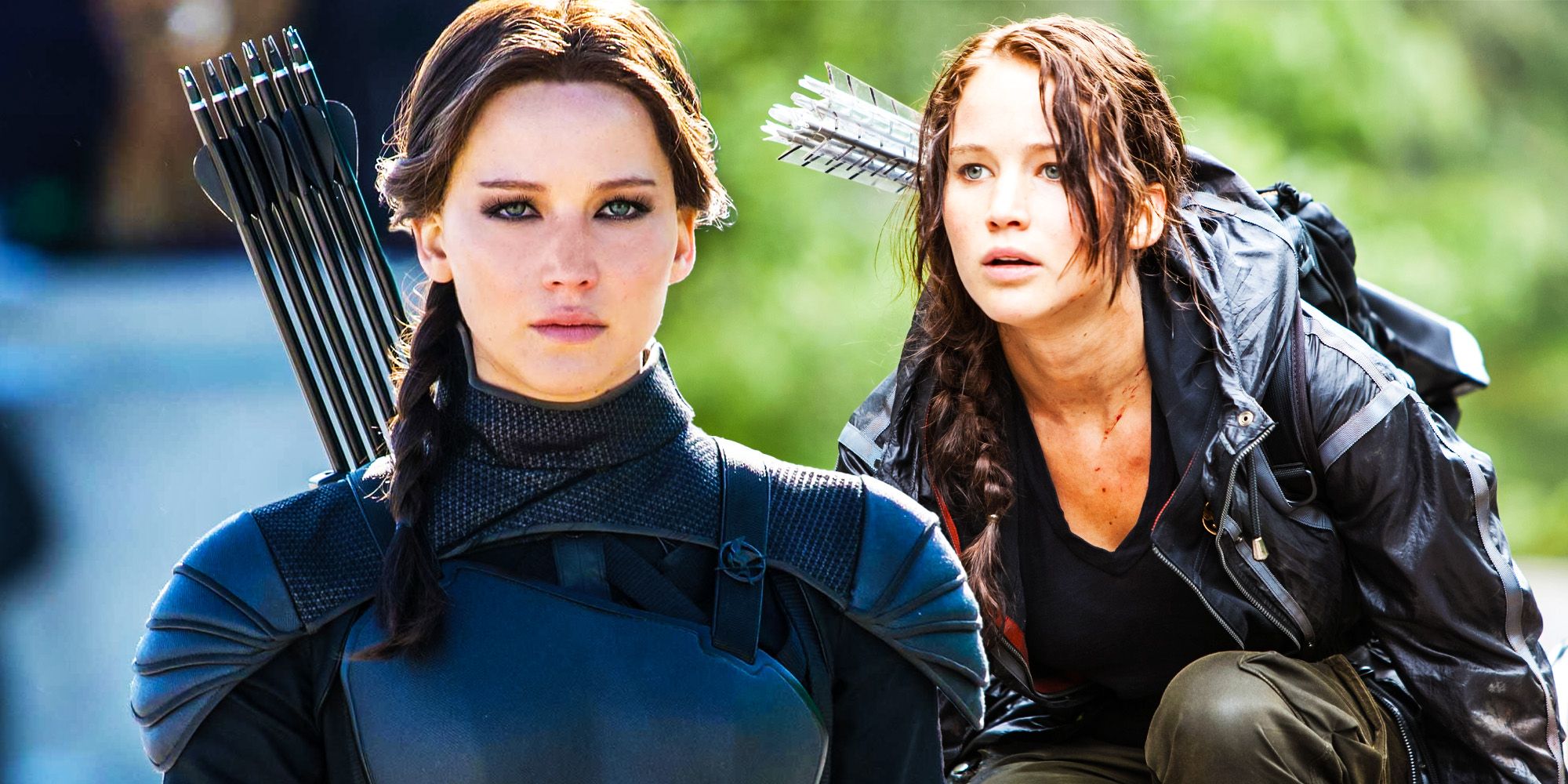 Actress On Hunger Games 60 Photos - Moonagedaydream.film
Compare it to Harry Potter. Harry’s world gets dark too—death, sacrifice, war—but it’s wrapped in magic. The Hunger Games is grounded in a world that feels almost possible. That’s what makes it hit harder, and why you might want to be around to discuss it.
Finally, let’s talk about the movies. The films are visually intense but not bloody for the sake of blood. The scariest moments are the emotional ones, like Rue’s death or the final showdown. If your teen can handle Stranger Things or Star Wars: Revenge of the Sith, they can probably handle this.
So, is The Hunger Games for your 10-year-old? Maybe not. For your 13-year-old? Absolutely, with a side of good conversation. And for you? Honestly, it’s an incredible story at any age—just be ready to feel all the feels. It’s wild, it’s thoughtful, and it’s more than just “kid stuff.”
In short: age 12 is a safe bet, but emotional maturity is the real key. Don’t stress too much. Just grab a copy, read it together, and see where the conversation goes. You might be surprised by how much your young reader gets it. And if they start talking about “the berries” at dinner? You’re in for a treat.
