What Animal Was The First In Space

Picture this: It’s a sweltering summer day in 1957. A little stray dog is wandering the streets of Moscow, probably thinking about dinner, not space travel. Suddenly, she’s sc...
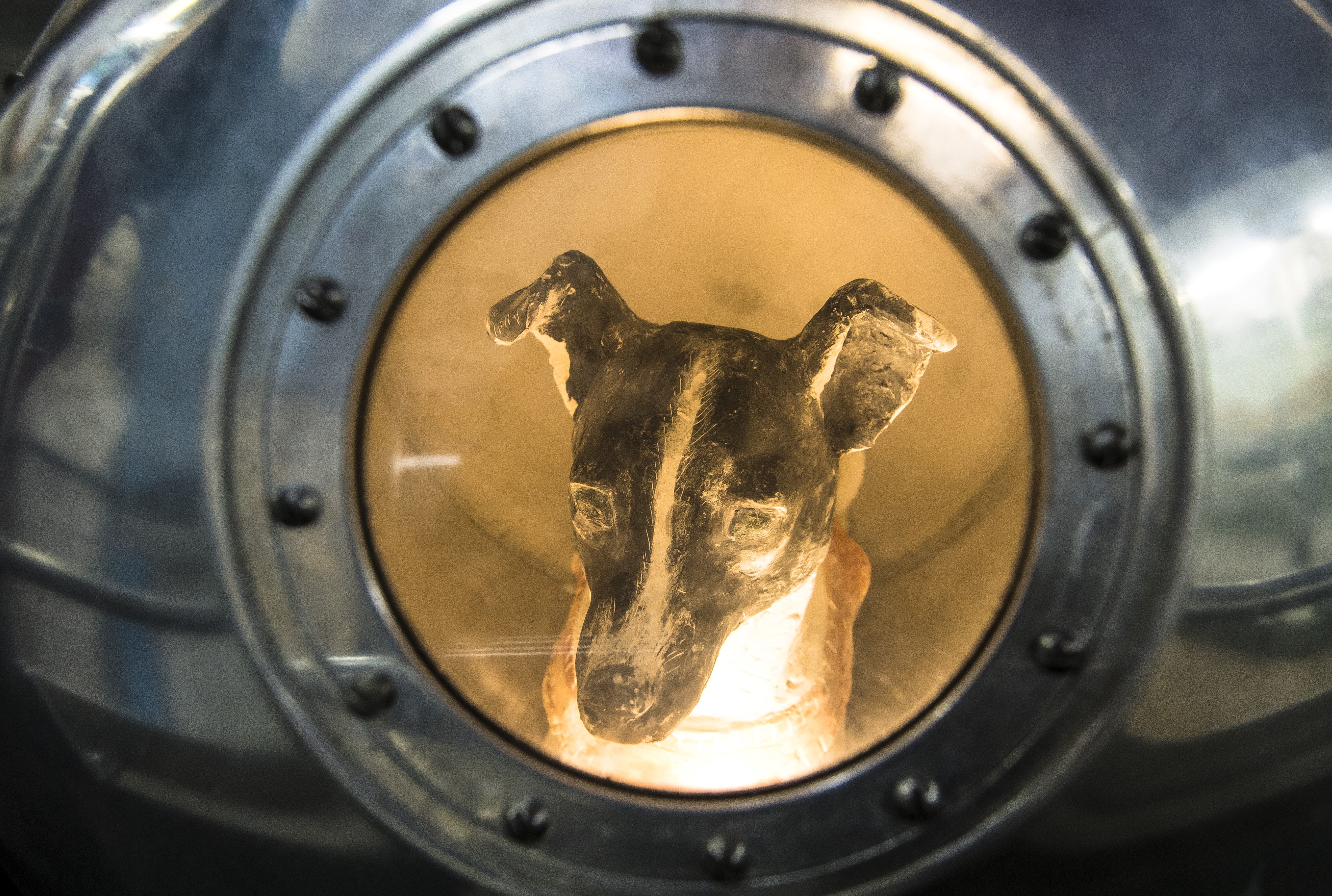
Picture this: It’s a sweltering summer day in 1957. A little stray dog is wandering the streets of Moscow, probably thinking about dinner, not space travel. Suddenly, she’s scooped up by scientists and whisked away to a top-secret lab. No one asked her opinion—but then again, dogs aren’t great with consent forms.
That dog’s name was Laika. She became the first living Earth creature to orbit our planet. But here’s the ironic twist: she wasn’t the first animal in space at all. Buckle up, because the space race got weird before it got glamorous.
If you guessed Laika, you’re half right—but only half. The real first animal in space was a bunch of fruit flies. Yes, those tiny guys you shoo away from your bananas. In 1947, the U.S. launched them aboard a captured German V-2 rocket to test radiation effects. They came back alive, which is more than I can say for my kitchen fruit basket.
Must Read
Fruit flies: The unsung pioneers
Why fruit flies? Well, they’re cheap, breed fast, and share 60% of disease-related genes with humans. Plus, they don’t complain about the snack situation. That rocket reached 109 miles high—officially space by most definitions.
So while Laika got the fame, these six-legged astronauts were the real trailblazers. They proved life could survive launch and microgravity. And they didn’t even get a commemorative stamp. Typical.
The monkey business begins
After fruit flies came the monkeys. In 1947, a rhesus macaque named Albert II became the first primate in space—also on a V-2 rocket. Spoiler alert: he didn’t survive. Albert I’s flight failed earlier that year. It was a grim era for animal astronauts, and we owe them a massive apology.
By the 1950s, both the U.S. and USSR were running animal test flights like it was a bizarre pet show. Mice, rats, rabbits, and even two dogs named Dezik and Tsygan flew in 1951. They survived, which was a big deal back then. The Soviets were clearly dog people; the Americans leaned monkey.
 Who Was The First Animal To Go To Space at Timothy Charles blog
I can only imagine the job interviews: “So, you’re comfortable with being strapped to a rocket? Great, you’re hired.” It’s a good thing animals can’t resign.
Laika: The tragic hero
Let’s circle back to Laika. On November 3, 1957, she launched aboard Sputnik 2. The satellite had no re-entry plan, so her mission was one-way. She was a stray, so Soviet scientists figured she could handle hardship. That logic stings, right?
For decades, rumors said Laika survived four days in orbit. In 2002, the truth came out: she died from overheating just hours into the flight. But here’s the part that gets me—she was supposedly calm, even wagging her tail at liftoff. That little dog had no idea she was making history, alone in the black void.
Her sacrifice wasn’t pointless, though. It showed that a living creature could survive launch and weightlessness. That paved the way for Yuri Gagarin (human) in 1961. Laika is now a Soviet pop icon—stamps, statues, even a song by the band Moby. She’s still the most famous space dog. And honestly? She deserves it.
The tortoise that almost beat the moon
Wait, it gets weirder. In 1968, the Soviet Union sent two tortoises around the moon on Zond 5. They were the first Earth creatures to reach lunar orbit and return alive. Imagine being a tortoise and casually out-racing Apollo astronauts. They lost weight but otherwise survived the journey.
:max_bytes(150000):strip_icc()/laika-515031406-58e80f1f3df78c5162a95267.jpg) Dog In Space Apollo
Dog In Space Apollo
Why tortoises? They’re slow metabolisms made them perfect for long missions. Plus, they’re tough—those shells aren’t just for show. They were the first animals to see the lunar far side. Did they care? Probably not. They just wanted some lettuce.
Since then, we’ve sent everything from newts to jellyfish to space. Even a tarantula named Spidernaut flew in 2011 to study web-building in zero-G. Her webs came out lopsided. Technical term: cosmic web fail.
So, what’s the takeaway?
The first animal in space was a humble fruit fly. Then came a string of brave (and unwitting) dogs, monkeys, and tortoises. They took the risks so humans could follow. And we should remember them not as lab rats, but as pioneers with fur, scales, or six legs.
Next time you stare up at the stars, think of Laika, wagging her tail in the dark. Or those fruit flies, buzzing through history at Mach 5. They made the ultimate road trip so we could dream bigger. And honestly? That’s kind of beautiful.
Now, if you’ll excuse me, I need to go apologize to my cat for the lack of a spacesuit.
