What Does Yeast Look Like When It Goes Bad

You’ve likely had that moment—standing in front of the fridge, squinting at a forgotten jar of yeast, wondering if it’s still alive or secretly plotting its own funeral. It’s...
You’ve likely had that moment—standing in front of the fridge, squinting at a forgotten jar of yeast, wondering if it’s still alive or secretly plotting its own funeral. It’s a humble ingredient, but when it goes bad, it tells you loud and clear. The trick is learning to read its signals, like a bread whisperer.
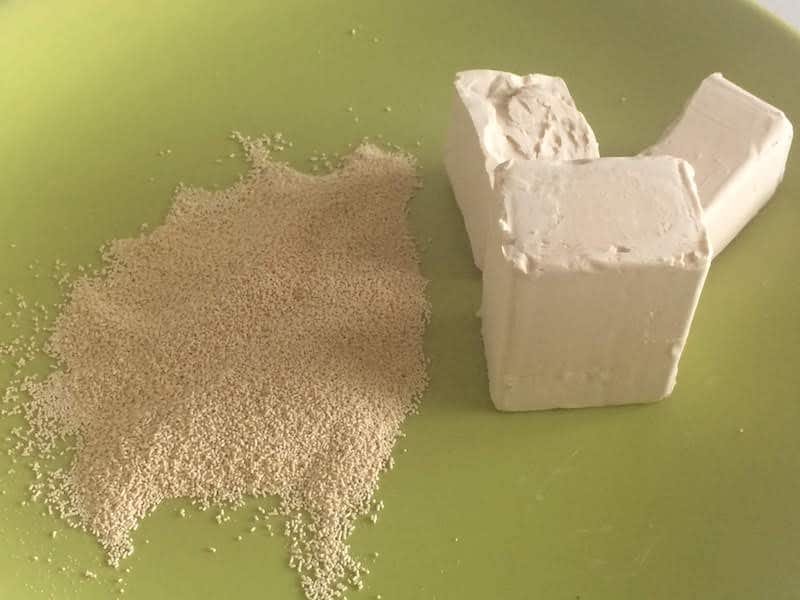
Fresh yeast (the moist, cake-like kind) is your most dramatic actor. When it’s good, it smells like a bakery hug—earthy, slightly sweet, and alive. When it goes bad, it turns into something you’d find in a horror film: a dark, cracking paste that smells like old gym socks mixed with sour beer. If it develops pink, orange, or gray streaks, toss it immediately—that’s mold’s way of saying, “You waited too long, friend.”
Active dry yeast and instant yeast (the little granules in a jar or packet) are more subtle. They look like fine, sandy pebbles—until they don’t. Bad dry yeast clumps together into hard, damp lumps, as if it’s trying to form a tiny, spiteful rock. A powdery, white coating on the surface? That’s usually fine (it’s just dead yeast cells, or “yeast ash”), but if the color shifts to brown, gray, or green, you’ve got a petri dish situation.
Must Read
Your nose is your best tool here. Fresh yeast should smell like bread dough, not like a dirty sponge. Dry yeast should be faintly nutty and barely there. If you open the jar and get a whiff of rancid oil, ammonia, or sour vinegar, it’s past its prime. Pro tip: store your yeast in the freezer. It stays happy for years, like a hibernating bear.
The Proofing Test: Yeast’s Final Exam
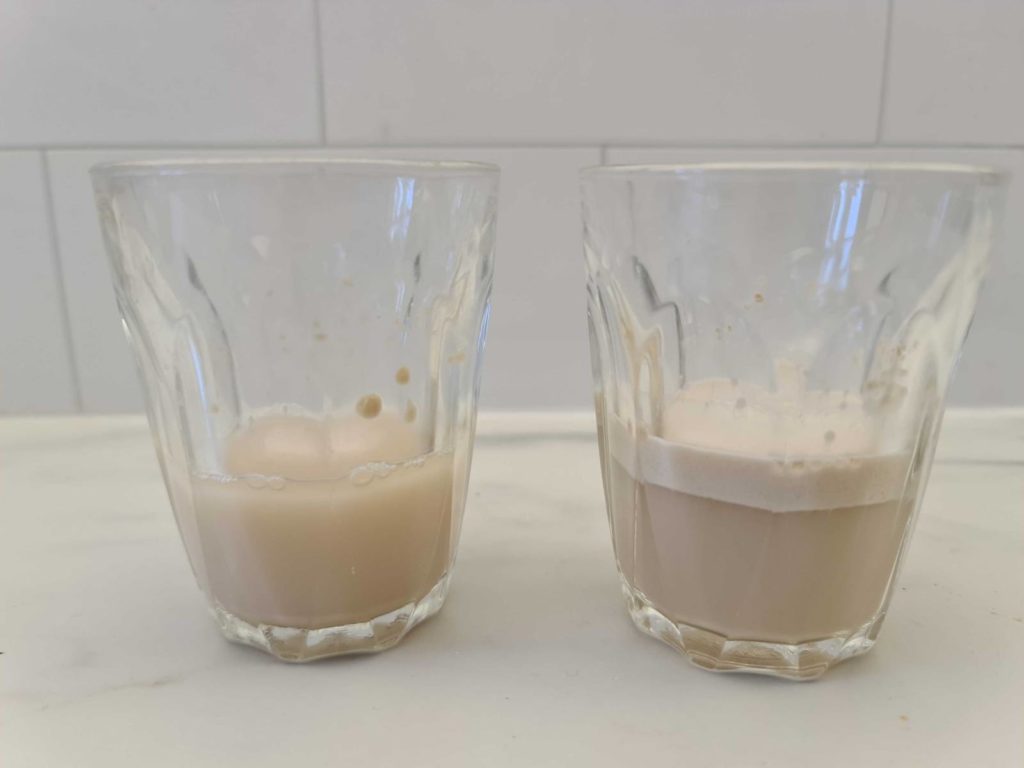
Still unsure? Do the “proofing” test. Mix one teaspoon of sugar with half a cup of warm water (around 110°F—wrist-test temperature, not hot tub temperature). Sprinkle in your yeast. Wait ten minutes. If it gets foamy and frothy, you’re golden. If it sits there like a sad, quiet puddle, your yeast is deceased. It’s the difference between a party host and a librarian.
Fun fact: yeast is a single-celled fungus, so technically you’re trying to keep a fungus alive. In good conditions, it eats sugar and burps out carbon dioxide (that’s the bubbles in your bread). When it goes bad, it’s basically decomposing in your pantry, and you really don’t want that in your sourdough.
Visible mold is a hard no. If you see fuzzy white, green, or black spots on fresh yeast—or even on the inside of your jar—discard everything. Mold spores can travel through the package, so don’t try to scrape it off. That’s not salvage; that’s a science project.
Cultural References & Kitchen Wisdom
Remember that scene in Julie & Julia where the butter cream sauce curdles? That’s the cinematic equivalent of bad yeast—except it smells worse and has less butter. In Italy, bakers call fresh yeast lievito di birra (beer yeast), and they treat it like a delicate houseguest. If it goes bad, they’ll say, “È andato a male” (it went bad) with a shrug, then grab a new packet. It’s that casual.
 Why My Pizza Dough Is Not Rising - The Easy Solution
Think of your yeast as a tiny farm animal. You wouldn’t eat a chicken that smells like sulfur, and you shouldn’t bake with yeast that smells like a dumpster. Trust your nose—it evolved for this exact reason. And always check the expiration date. Dry yeast lasts about two years past its date in the freezer, but fresh yeast? You’ve got two weeks in the fridge, tops.
Here’s a fun little fact: yeast cells can be resurrected if you catch them early. If your dry yeast is clumpy but smells okay, you can rehydrate it in warm water with sugar. Sometimes they’ll wake up, like a grumpy teen called to breakfast. But if the water stays clear and still, embrace the defeat and buy new yeast. It’s cheaper than a ruined loaf.
Practical Tips for the Home Baker
- Don’t store yeast near strong odors. It’s porous and can pick up smells from onions, garlic, or last week’s fish. That bread will taste like a French onion soup—and not the good kind.
- Keep it airtight. A plastic bag or glass jar with a tight lid is your ally. Oxygen is the enemy of yeast longevity, like sunlight is to vampires.
- Label your jar with the date. Use a piece of tape and a marker. Your future self will thank you when you’re not playing “is this safe?” roulette at 7 PM on a Tuesday.
- Freeze in portions. If you buy a big block of fresh yeast, cut it into one-ounce cubes, wrap each in plastic, and freeze. Thaw one at a time. It’s meal prep for your sourdough starter.
One more cultural nod: in Japan, where precision is king, some bakers use compressed yeast that looks like soft, pale tofu. When it goes bad, it turns into a slimy, dark mess that smells like old rice wine. The reverence for “fresh” ingredients there means they’d never risk it. You shouldn’t either.
When in doubt, throw it out. Yeast is cheap, but your time and flour are precious. A loaf of bread takes hours to rise and bake—don’t waste that effort on a zombie fungus. Your kitchen deserves better.
Final reflection: In a world that moves fast, yeast reminds us that life (even microbial life) has a shelf life. It’s a gentle nudge to slow down, check your pantry, and appreciate the small, living things that make our bread rise. If your yeast is dead, well, that’s a sign to try again tomorrow. Grab a new jar, proof it with kindness, and remember: every great baker has killed a packet of yeast. It’s a rite of passage, not a tragedy.
