What Is A Cap In Soccer

You hear it during the World Cup, or maybe your friend who “totally understands the offside rule” drops it into conversation. “He’s got 100 caps for his country!” They say it...

You hear it during the World Cup, or maybe your friend who “totally understands the offside rule” drops it into conversation. “He’s got 100 caps for his country!” They say it with this air of importance, like they’re revealing a secret. But if you’re new to soccer, you might be picturing a literal baseball hat on a player’s head. Relax. It’s much simpler—and far more charming—than that.
In soccer, a cap is simply a term for an appearance in an international match. Every time a player pulls on their national team jersey and steps onto the pitch for a game against another country, they earn one cap. It’s like a gold star on a kindergarten chart, except the star is a tiny piece of cloth that represents years of dedication and screaming crowds.
Why do we call it a cap? It’s a delightful piece of history. Back in the late 1800s, English soccer players were actually given a physical, embroidered cap to wear for every international game they played. Think of it like a scout earning a merit badge, but for adults who run a lot. Even though they don’t hand out the hats anymore, the tradition and the name stuck around like a stubborn stain on a favorite jersey.
Must Read
Why Should You Care About a Number?
Think of it like the frequent flyer miles of the soccer world. A player with 50 caps has been around the block. They’ve seen rainy games in cold stadiums, missed penalties under pressure, and scored winning goals against fierce rivals. A player with 150 caps, like Cristiano Ronaldo or Lionel Messi, is basically a platinum-level traveler. They’ve done it so often that their commitment becomes legendary.
These numbers tell a story without needing words. When you see a player get their first cap, you’re watching a dream come true—a moment they’ve probably practiced in their backyard a thousand times. When you see a veteran earn their 100th cap, you’re witnessing a monument of perseverance. It’s like seeing your neighbor finally finish that epic, thousand-piece puzzle after six months.
You’ll also hear phrases like “uncapped player.” This doesn’t mean they’re secretly a robot or have a medical condition. It simply means they’ve never played for their country’s senior team. It’s a blank slate, full of potential and nervous energy—like the first day of a new job where you don’t know where the coffee machine is.
The Ceremony That Makes You Smile
Here’s the part that gets the waterworks going for fans. Before an important game, sometimes the team will hold a small ceremony for a player about to earn a milestone cap. They’ll walk out with their family, hold a special framed jersey, and the whole stadium will clap. It’s like a graduation, but with more grass and fewer mortarboards.
 What Is a Cap in Soccer? The Meaning and History of the Term – Your
My favorite story involves a defender named Nigel de Jong. He earned his 100th cap for the Netherlands, and the team surprised him with a giant cake shaped like a soccer pitch. He was so overwhelmed he almost cried. That’s the power of the cap—it’s not just a number; it’s a scrapbook of memories, injuries, and triumphs, all rolled into one strange little statistic.
And for the players, the word itself becomes a source of pride. A player might say, “I want to get to 50 caps,” just like you might say, “I want to run a 10k” or “I want to finally organize my garage.” It’s a tangible goal that measures their impact and loyalty. It makes the abstract idea of “being a great player” feel real and countable.
The Unofficial Rules of Caps
One thing that trips people up: club games don’t count. All the weekly drama in the English Premier League or La Liga? Zero caps. Caps are only for international duty. This is why a player might look like a superhero for their club but struggle to get a single cap for their country. It’s like a brilliant chef who runs a perfect restaurant but struggles to cook a simple meal for their mom. Different stage, different pressure.
Also, a cap is earned even if you only play for one minute as a substitute. If your coach puts you in during the 89th minute to waste time, congratulations—you just earned a cap. It’s like getting credit for a whole movie just because you walked into the theater during the closing credits. It’s a generous system, but it makes the list long and full of cool stories.
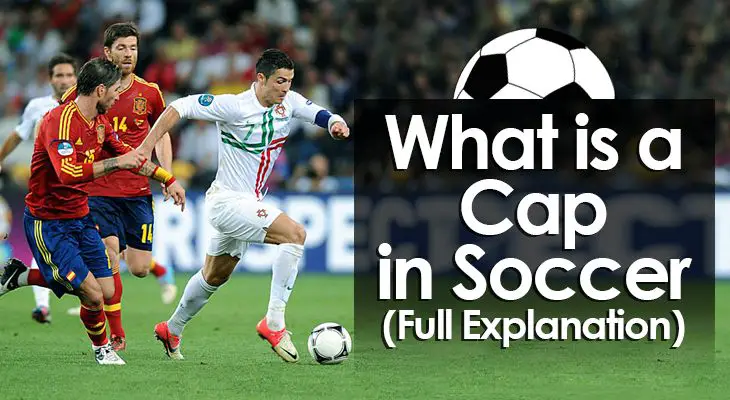 What is a Cap in Soccer (Full Explanation and Records)
Finally, the record holders are basically soccer royalty. The men’s all-time leader is Cristiano Ronaldo with over 200 caps. For women, it’s the incredible Kristine Lilly from the USA, with 354 caps. That number is almost too big to wrap your head around. It’s like going to the same restaurant for dinner every single night for a year—and then doing it for another year. It takes a special kind of love and stubbornness.
So, Why Does This Matter to You?
Because it gives you a shortcut to understanding greatness. The next time you watch a big tournament, look at the graphic on the screen that shows each player’s caps. It will tell you instantly who is the newbie and who is the grizzled veteran who has seen it all. It’s a cheat code for following the drama.
It also makes every game feel more meaningful. When a player runs onto the field, they aren’t just playing one match. They are adding a chapter to their personal history book. You’re watching them paint their legacy, one cap at a time. That’s pretty remarkable for a game that started with people literally handing out woolen hats.
So the next time you hear someone say a player has “50 caps,” don’t zone out. Nod knowingly. Maybe even say, “Ah, a solid veteran. Respect.” You’ll look like you’ve been a fan for decades. And somewhere, a soccer historian will smile, knowing that a little piece of British tradition just made a new friend.
