What Is High Net Worth Individual

You know that friend who never seems to worry about splitting a dinner bill? Or the one who books a last-minute flight without checking their bank balance first? That’s a nice...
You know that friend who never seems to worry about splitting a dinner bill? Or the one who books a last-minute flight without checking their bank balance first? That’s a nice start, but we’re talking about a different league entirely. We’re talking about High Net Worth Individuals—or HNWI (pronounced “H-N-W-eye”), a term that sounds like a secret club from a spy movie.
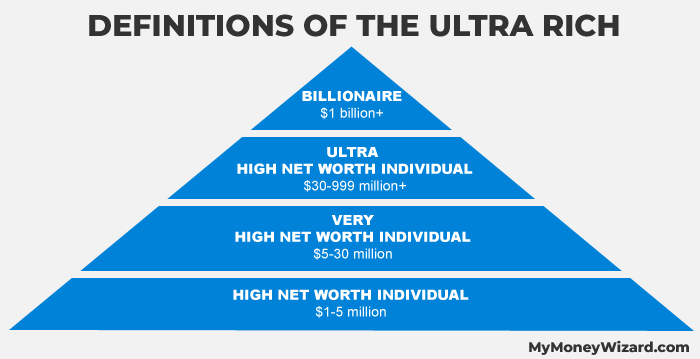
Let’s strip away the jargon. A High Net Worth Individual is simply someone with liquid assets—cash, stocks, bonds, and investments you can actually sell—worth at least $1 million. That doesn’t count their house or their car. It’s the money they can move or spend tomorrow without selling the family sofa.
Think of it like this: Your neighbor, Bob, has a nice house and a decent 401(k). Bob is doing great. But Bob can’t write a check for $1 million tomorrow without first selling his roof. An HNWI can. It’s the difference between having a full pantry and owning the whole grocery store chain.
Must Read
Wait, so are they all billionaires?
Not at all. That’s a common mix-up. Billionaires are their own weird species—think space rockets and private islands. HNWIs are more… your friendly local CEO, the surgeon who invested wisely, or the tech founder who sold a small app. They’re millionaires, plain and simple.
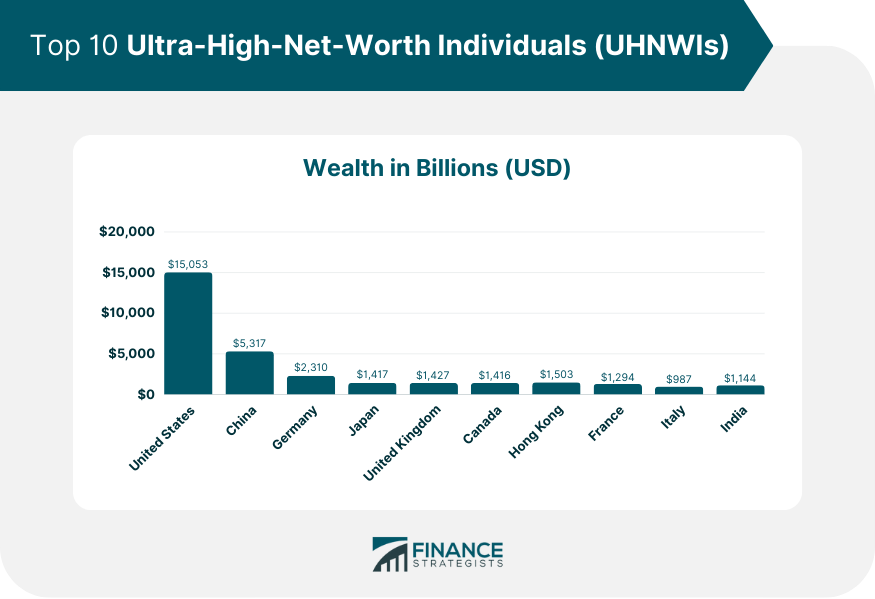
There are different flavors, too. You’ve got Very High Net Worth Individuals (VHNWI) with $5 to $30 million. And then Ultra High Net Worth Individuals (UHNWI) who cross $30 million. That’s when you start naming your yachts after your mother.
But the baseline—$1 million in investable assets—is surprisingly common. In fact, there are millions of HNWIs worldwide. They’re not wearing capes; they’re wearing nice watches and fretting about taxes like everyone else.
Why should you care about rich people?
I know, I know. You’re thinking, “Cool, they have money. I have bills. What’s this got to do with my Tuesday?” Fair point. But here’s the twist: the habits and rules of HNWIs actually affect your everyday life more than you’d think.
 What's actually a high net worth? 11 wild statistics and 4 life lessons
Take interest rates. When the Federal Reserve raises rates, they’re partly thinking about how it affects HNWIs who move huge amounts of money. That trickles down to your credit card APR and your mortgage rate. Rich people’s portfolio choices ripple into your pocket.
The “sneaky” way they help your 401(k)
Remember that boring stock market jargon? “Institutional investors”? That’s just a fancy name for HNWIs and their money managers. When they buy and sell, they create liquidity—meaning you can sell your little piece of Apple stock anytime you want. Without them, your retirement fund would be as stuck as a truck in mud.
Plus, their demand for nice things—like luxury hotels, better healthcare, and premium groceries—forces companies to raise the quality bar for everyone. Ever noticed how grocery stores now sell truffle oil and artisanal cheese? Thank the HNWIs who wanted it first.
The fun part: how they live (hint: it’s not all gold toilets)
Pop culture makes them look like cartoon villains sipping champagne in silk robes. In reality, many HNWIs are surprisingly ordinary… with better planners. They still worry about their kids’ college tuition and whether their pension is safe. The difference? They have a professional to worry for them.
:max_bytes(150000):strip_icc()/Term-Definitions_High-net-worth-individual-d5dee7851eb14976b0d77edbe79b1c89.jpg) How High
How High
They hire wealth managers—basically financial detectives who say things like, “No, you can’t just buy a horse farm. Let’s talk about tax shelters.” They also use family offices, which are tiny companies that handle everything from paying grandma’s medical bills to deciding which charity gets a new wing.
And here’s a secret: many HNWIs are frugal where it counts. They drive sensible cars and clip coupons—yes, real coupons—while quietly owning a mining company. They just know that wealth isn’t about spending; it’s about options.
What you can steal from their playbook
You don’t need a million dollars to act like an HNWI. Steal their mindset. They don’t see money as stuff to spend; they see it as tools to grow. They prioritize liquidity (cash you can use) over expensive toys. They hire advisors before they hit a crisis.
Start small. Open a separate savings account and call it your “million-dollar fund.” Even $50 a month makes you think like an HNWI. Read one book on investing this year. Join a local investment club—yes, they exist and they’re usually full of nice retirees who know everything.
The real magic? HNWIs understand that luck and timing play a huge role. They don’t pretend they earned it all through sheer grit. That humility is why they keep learning. And learning is free. So go ahead—be a HNWI in training. No gold toilet required.
