What Language Is Spoken In Sicily

I was sitting in a tiny café in Catania last spring, trying to order a simple pastry with my textbook Italian. The woman behind the counter, a nonna with flour-dusted hands, j...
I was sitting in a tiny café in Catania last spring, trying to order a simple pastry with my textbook Italian. The woman behind the counter, a nonna with flour-dusted hands, just stared at me. Then she let loose a stream of syllables that sounded like someone singing while gargling marbles. I smiled blankly, and she rolled her eyes so hard I thought they’d fall out of her head. That was my first real lesson in the linguistics of Sicily.
So, What Language Is Actually Spoken Here?
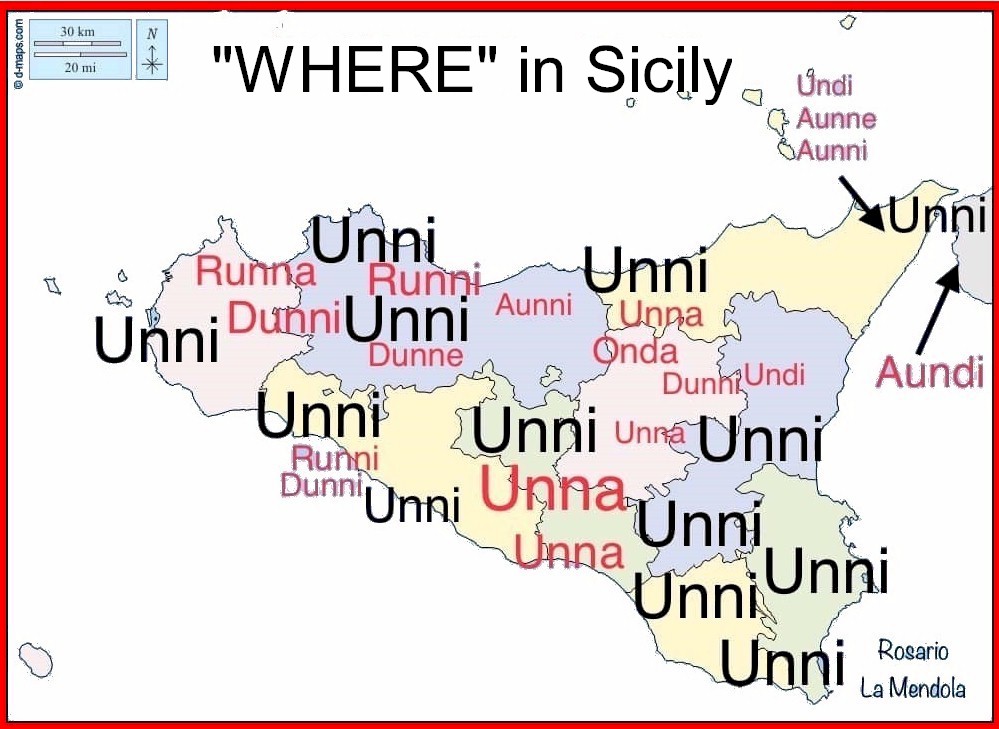
The short answer is: it’s complicated, and that’s what makes it beautiful. Sure, Italian is the official language—you’ll see it on signs, hear it on TV, and use it with officials. But walk into a local market or a family dinner, and you’ve entered a different sonic universe. That universe is Sicilian, known locally as sicilianu or u' sicilianu.
And here’s the kicker: Sicilian isn’t a dialect of Italian. It’s a full-blown Romance language in its own right. In fact, linguists will tell you it’s closer to Latin than modern Italian is. So the next time a Sicilian friend says “I speak a dialect,” you can wink and say, “No, you speak an ancient sibling language.” (But maybe don’t say that at a family dinner—you might start a feud.)
Must Read
A Quick History Lesson (The Fun Kind)
Imagine layers of invaders, traders, and settlers all leaving their linguistic fingerprints on the island. Greek colonists brought their alphabet and words. Romans slapped Latin on top. Then came the Arabs, who gave Sicily words like zagara (blossom) and carcioffula (artichoke). The Normans threw in French terms, and the Spanish stayed just long enough to add a swagger.
This isn’t just history—it’s living in the everyday chatter. When a Sicilian says “ammatula” (for free), that’s Arabic. When they say “foddi” (angry), that’s Norman French. And when they say “sciugari” (to dry), that’s straight-up Latin that Italian completely abandoned. Every word is a tiny artifact.
The Big Misunderstanding: Dialect vs. Language in Sicily
You’ll hear people call Sicilian “a dialect of Italian,” but that’s mostly politics and history. Italian is the standardized language of a unified nation; Sicilian is the organic, messy, heart-centered tongue of the island. They are not mutually intelligible. Try speaking pure Sicilian to a Milanese person, and you’ll get the same blank stare I got from that nonna in Catania.
 Sicilian vs Italian Language: 5 Reasons Natives Can't Understand Each
And here’s a little irony for you: many Sicilian grandmas hate when outsiders try to speak it. They see it as their secret code, a warm blanket of home. But if you learn just one word—say, “beddu” (beautiful, for a man) or “bedda” (for a woman)—they’ll melt. One word can open a door that a hundred Italian sentences cannot.
Wait, Are There Other Languages in Sicily Too?
Oh, absolutely. In the depths of the province of Enna, you might hear Arbëreshë, an Albanian language spoken by descendants of 15th-century refugees. Travel to the town of San Fratello, and you’ll stumble upon Gallo-Italic, a dialect that sounds more like a missing cousin of Ligurian than anything Sicilian. And in the south, near Ragusa, there are tiny pockets of Greek-inspired idioms that survived for centuries.
I’m not kidding—you can drive forty minutes and feel like you’ve crossed three borders. Sicily is a linguistic honeycomb, and every cell buzzes with a different history. It’s the most multilingual place you’ve never thought about.
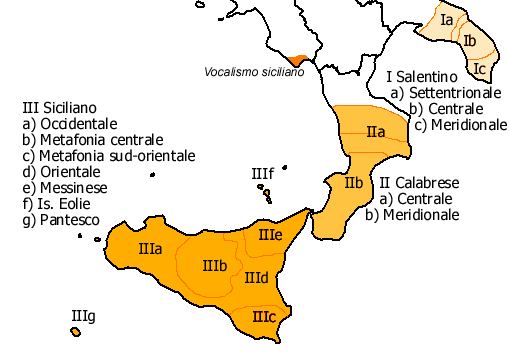 Sicilian language - Alchetron, The Free Social Encyclopedia
So, What Should You Actually Speak?
Here’s my practical advice, straight from the café counter: start with Italian. It’s respectful, it works everywhere, and people will appreciate you trying. But listen. Really listen to how locals talk among themselves. When you hear the musical rise and fall of Sicilian—that rhythm that makes you want to tap your foot—smile and nod. You don’t need to speak it to feel it.
And if you’re brave, try a simple “Cum’è, tuttu bonu?” (How’s everything going?) when you buy your morning espresso. The worst that can happen is you get corrected, which means you just got a free language lesson. The best? That nonna might actually laugh and give you an extra cookie. And that, my friend, is the real Sicilian language of all.
So next time someone asks you, “What language is spoken in Sicily?” you can answer: Italian for the papers, Sicilian for the soul, and a dozen hidden tongues for the curious traveler.
