What's The Difference Between Beef Stew And Pot Roast

It’s a classic kitchen quandary. You’ve got a tough cut of beef and a Sunday afternoon to fill. But should you be making beef stew or a pot roast? The answer might surprise yo...

It’s a classic kitchen quandary. You’ve got a tough cut of beef and a Sunday afternoon to fill. But should you be making beef stew or a pot roast? The answer might surprise you—and it’s all about technique, not just ingredients.
The Core Difference: Liquid vs. Air
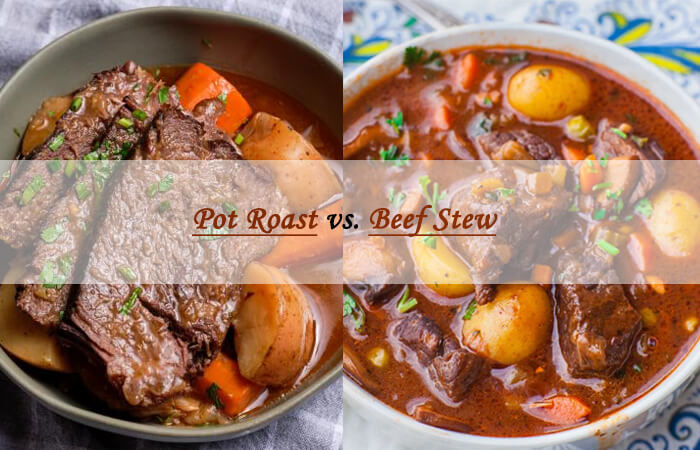
Think of pot roast as a braise and beef stew as a simmer. Pot roast cooks partially submerged in a shallow pool of liquid, with the meat’s top exposed to the oven’s dry heat. Stew, however, is fully immersed, swimming in broth or wine like a cozy bath.
This changes everything. Dry heat encourages a deep, savory crust on the pot roast, while wet heat in stew extracts collagen more evenly, creating a thick, silky sauce. Your choice determines the final texture—and the vibe of your meal.
Must Read
The Cut of Meat Tells the Story
For pot roast, you want a single, majestic hunk of meat—chuck roast or brisket. It’s meant to be sliced, not shredded, so it holds its shape after hours of cooking. Stew, on the other hand, is a democratic party of bite-sized cubes.
Pro tip: always use chuck for either dish. Its marbling melts into buttery tenderness. Never use sirloin or round; they’ll turn into sad, chewy rubber bands.
The Vegetable Situation
In pot roast, veggies are supporting actors—carrots, celery, and onions simmered slowly to infuse the broth. They often emerge whole, slightly caramelized, and proud. In stew, vegetables are the ensemble cast—diced, tossed in, and partially broken down to thicken the gravy.
Fun fact: Irish stew traditionally uses only mutton, potatoes, onions, and water. No carrots, no celery. It’s a lesson in restraint—and a reminder that stew is endlessly customizable.
The Liquid Game
Pot roast loves a dramatic deglaze—red wine or stock, scraped into the pan after searing. The liquid stays shallow, so the meat develops a roasted, almost smoky flavor. Stew demands a full immersion—often with beer, tomato paste, or even a splash of Worcestershire for depth.
Cultural nod: Try a boeuf bourguignon (French stew) with Burgundy wine and pearl onions. It’s the dish that makes you feel like a Parisian in pajamas. Or go Texan with a chili-style beef stew and hatch chiles.
Texture: Fork-Tender vs. Spoon-Tender
Pot roast should yield to a fork but stay in graceful slices. It’s the kind of meat you can cut with the side of your utensil. Stew wants to be spoon-tender—so soft it practically melts into the broth.
Here’s the science: collagen in connective tissue converts to gelatin at around 190°F. Pot roast hits that temperature more slowly, while stew reaches it faster due to full submersion. Low and slow is the universal rule for both.
The Time Factor
Pot roast is a weekend warrior—3 to 4 hours in a 300°F oven. Stew can be done in 90 minutes on the stovetop, but low-and-slow for 2.5 hours is better. Your schedule matters: pot roast says “I have all day,” while stew whispers “I have a Netflix show to binge.”
 Pot Roast vs. Beef Stew: 5 Key Differences You Should Know
Practical tip: Make stew in a Dutch oven. It holds heat evenly and doubles as a serving dish. For pot roast, a heavy roasting pan with a lid works magic—or even a slow cooker if you’re feeling lazy.
Serving Style
Pot roast demands plating ceremony. Slice the meat, arrange it next to roasted root vegetables, and spoon the pan juices on top. It’s a centerpiece that says, “I’m a grown-up who owns a carving knife.” Stew is a one-bowl hug—serve it with crusty bread for dunking.
Cultural reference: Think of New England boiled dinner (a pot roast variant) versus a French daube (stew). One is a Sunday supper, the other is a peasant’s poetry.
Which Should You Choose?
Craving comfort with structure? Go pot roast—it’s for when you want to impress without stress. Want warmth and surrender? Make stew—it’s the edible equivalent of a fleece blanket on a rainy day.
Fun fact: The word “stew” comes from the Old French estuver (to bathe). “Pot roast” dates to the 19th century American frontier, where cooks used cast-iron pots over open fires. Both are history on a plate.
Quick Cheat Sheet
Pot Roast: Large cut, shallow liquid, sliced, oven-braised. Beef Stew: Cubed meat, full submersion, spoon-tender, stovetop or oven. Memorize this, and you’ll never confuse them again.
One last tip: Season generously the day before. Salt penetrates deeper, and the flavor blooms overnight. Your future self will thank you.
A Little Reflection
Life is a lot like these two dishes. Some days call for a bold, structured plan—like pot roast—where you hold your shape. Others require you to break into pieces, surrender to the broth, and let yourself soften. Both are valid. Both fill you up.
So next time you’re standing in the kitchen with a hunk of beef, ask yourself: Do I need to slice or to dip? The answer will tell you everything. And either way, dinner’s going to be good.
