Where Does Lindt Chocolate Come From

You know that moment. You’re standing in the checkout line, and a gold foil-wrapped Lindt truffle stares at you from a little bin. You grab one, maybe two, because it’s been a...
You know that moment. You’re standing in the checkout line, and a gold foil-wrapped Lindt truffle stares at you from a little bin. You grab one, maybe two, because it’s been a long day. But have you ever wondered where that little chocolate miracle actually comes from?
It’s not just from a factory. It’s a journey that starts thousands of miles away, in a place you might not expect. Let’s take a friendly stroll behind the wrapper.
The Real Starting Line: A Rainforest, Not a Lab
Forget Willy Wonka’s factory for a second. The story of Lindt chocolate begins on a cacao tree in a hot, humid country near the equator. Think of places like Ghana, Côte d’Ivoire, or Ecuador.
Must Read
These are not boring farms. They are living, breathing jungles where cacao pods—big, colorful, football-shaped fruits—grow straight out of the tree trunk. A farmer cuts one open with a machete, and inside are those white, slimy beans.
Right now, that bean doesn’t taste like chocolate at all. It tastes sour and fruity, like a weird tropical lychee. This is where the magic begins.
The Fermentation Fiesta
Farmers pile those beans into wooden boxes or cover them with banana leaves. They let them sit and ferment for a few days. It sounds messy, and it is.
But that natural, funky process is what creates all the rich, deep flavors you love. Without fermentation, you’d just have a sad, flat-tasting bar. Think of it like sourdough starter—it needs that wild, living kick.
The beans then get dried in the sun. They turn brown and start to smell a little bit like cocoa. Then, they’re packed into sacks and shipped across the ocean.
 Best Ingredients | The Lindt Difference | World of Lindt
Switzerland: The Chocolate Superpower
This is where Lindt enters the picture. The beans arrive at a factory in Kilchberg, Switzerland, a small town near Lake Zurich. It’s a place where the air probably smells like a bakery on steroids.
But here’s the thing Lindt does differently. They don’t just melt and mold. They have a secret tool called the conche. Imagine a giant, slow-moving marble roller that massages the chocolate for hours—sometimes days.
This gentle, constant motion smooths out the gritty bits and lets the flavors bloom. It’s like kneading bread dough until it becomes silky and wonderful. This is why Lindt chocolate melts so evenly on your tongue.
The Gold Foil Touch
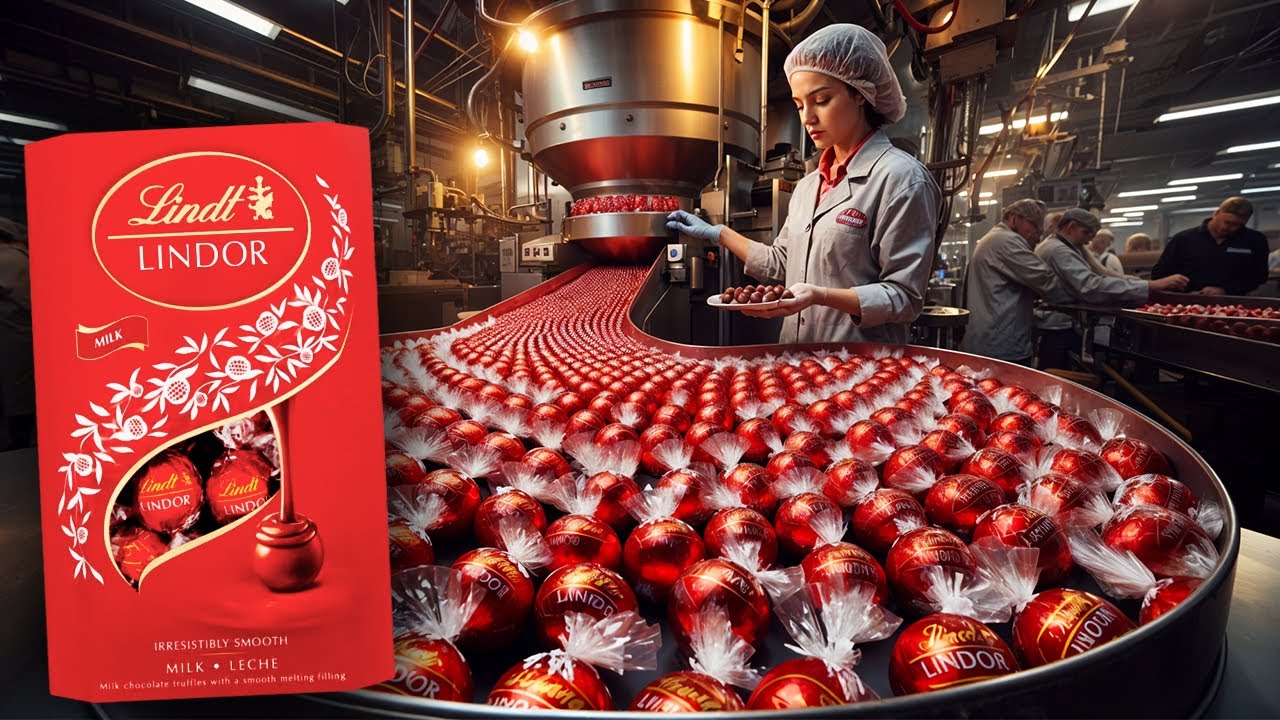
That little truffle in your cart? It starts as a liquid chocolate shell. A machine pours it into a mold, tilts it to coat the inside, and lets it set. Then, a scoop of silky-soft chocolate filling is squirted inside.
Finally, a layer of chocolate seals the bottom. It’s a tiny, edible hug. The gold foil isn’t just for show—it protects the chocolate from light and air. It’s armor for your happiness.
Your truffle is then packed and shipped to your local store. It traveled from a rainforest tree to a Swiss factory to your hand, all for that one perfect bite.
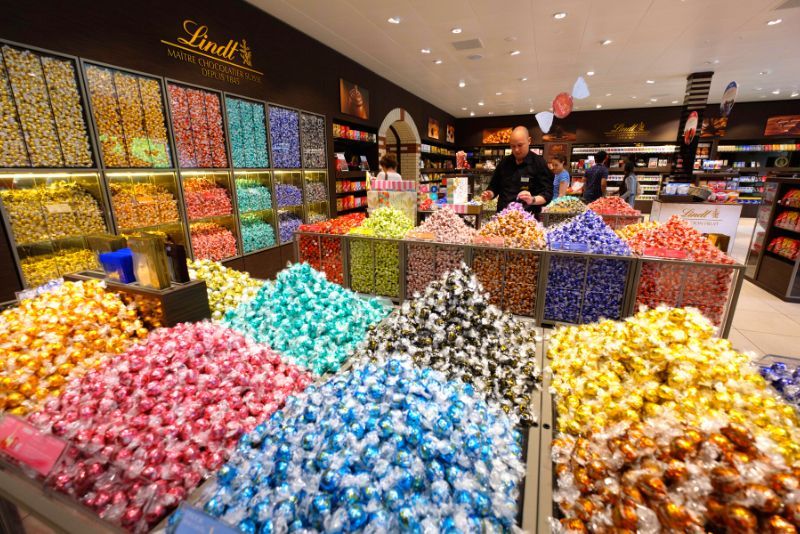 Lindt switzerland tour foto - Blackdragontours.com
Why Should You Care?
Maybe you’re thinking, “Okay, cool, but I just want to eat it.” Fair enough. But knowing the story makes it taste better. It’s like knowing your favorite coffee was hand-picked on a mountain—it adds a little soul.
It also means you can make a smarter choice. Lindt is part of a program called “Lindt & Sprüngli Farming Program.” They work directly with farmers to help them grow better cacao and get paid fairly.
So when you buy that bag, you’re not just buying sugar and fat. You’re supporting a chain that starts with a farmer’s hard work and ends with a moment of pure pleasure.
A Little Everyday Magic
Next time you unwrap a Lindt truffle, pause for one second. Look at that smooth, dark dome. Think about the farmer in Ghana who opened a pod. Think about the Swiss chocolatier who perfected the conching.
It’s a global team effort, just for your afternoon slump. That little ball of chocolate is kind of incredible when you think about it. A tiny, edible miracle from halfway around the world.
So go ahead, pop it in your mouth. Let it melt. You’ve earned it—and now you know exactly where it earned its start.
