First Black Player To Play In England

Imagine pulling on a heavy wool shirt in 1881, the damp English air thick with coal smoke and the promise of something unspoken. You lace your boots, step onto a pitch in Darw...
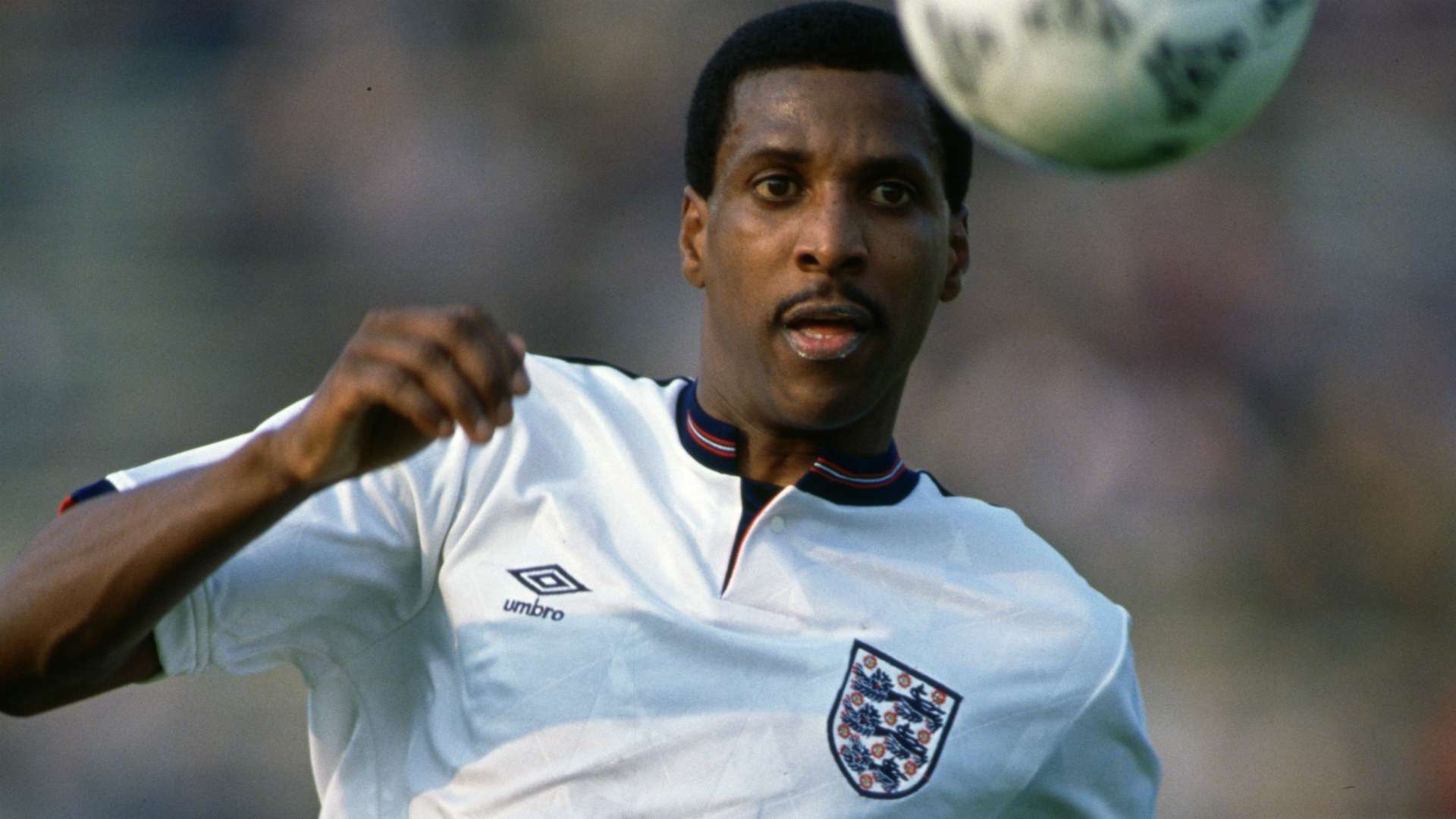
Imagine pulling on a heavy wool shirt in 1881, the damp English air thick with coal smoke and the promise of something unspoken. You lace your boots, step onto a pitch in Darwen, and hear the low rumble of a crowd that has never seen anyone quite like you before. That was the world of Arthur Wharton, the first Black player to play professional football in England, a man who sprinted past barriers long before we had words for them.
The Keeper Who Changed the Game
Arthur wasn't just a footnote; he was a headline act. A sprinter who once held the world record for the 100-yard dash, he brought an explosive, unpredictable energy to the goalkeeper position. Back then, goalies weren't leaping acrobats; they were stoic gentlemen in flat caps. Arthur was different.
He'd charge off his line, dive full-length in the mud, and clear the ball with a style that baffled Victorian tacticians. Born in Ghana to a Ghanaian mother and a Scottish father (a mixed-race heritage that was very much a global story), he moved to England to train as a missionary. Instead, he found his pulpit between the goalposts.
Must Read
Fun fact: Wharton also played professional cricket for Yorkshire and was a champion cyclist. The man was essentially a three-sport athlete before that was even a thing. Imagine him at a pub quiz—he'd win every round.
The Silence of History's Record Books
Here’s where the story gets a little hazy, and a little human. While Wharton is celebrated as the first Black professional footballer, the records from his era are frustratingly patchy. Newspapers of the 1880s often focused on his speed and athleticism while skirting around the racism he undoubtedly faced.
What we do know is that he played for Darwen, and later Preston North End and Rotherham Town. His career wasn't a fairy tale of endless trophies. He lived through the transition of football from a gentleman's amateur game to a rough-and-tumble working-class spectacle. The pressure was immense, the pay was small, and the spotlight was cold.
Yet he stayed. He kept diving. By the time he retired, alcohol and financial hardship had dimmed his later years, and he died in relative obscurity in 1930. It’s a sobering reminder that pioneers don't always get the victory lap they deserve.
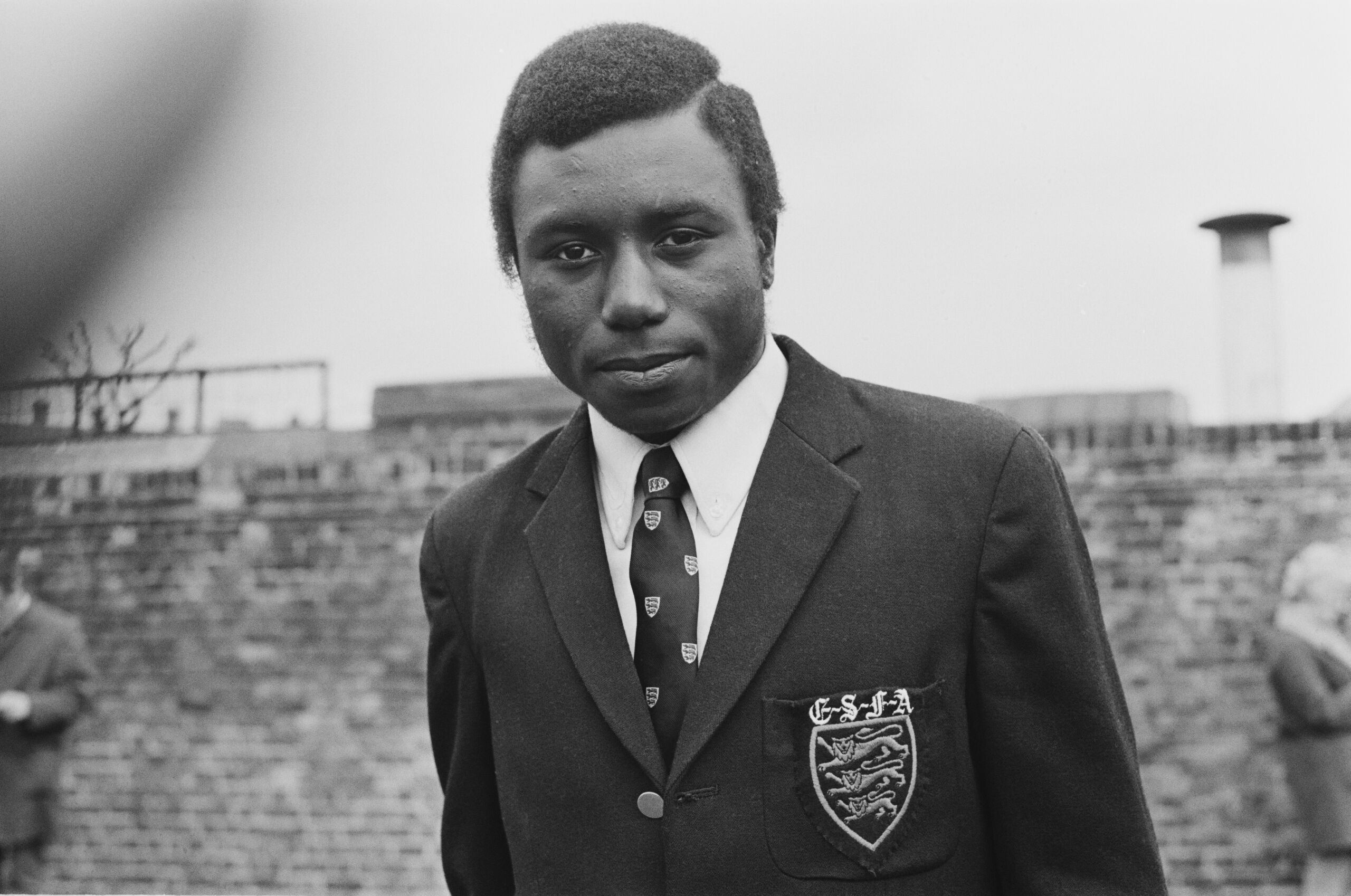 Benjamin Odeje: The ‘Boy Pele’ who was England’s first black footballer
The Quiet Revolution After Arthur
For decades after Wharton, the English football landscape remained predominantly white. It wasn't until the post-war waves of migration—particularly from the Caribbean in the 1950s and 1960s—that Black players began to reshape the game again. Names like Clyde Best at West Ham and Albert Johanneson at Leeds United carried the torch through the terraces' ugliest chants.
The real turning point? The 1970s and 1980s. Clubs like Liverpool, Arsenal, and Nottingham Forest started fielding multiple Black players, and the football itself became faster, more skillful, and more creative as a result. Laurie Cunningham at Real Madrid, Viv Anderson for England—each goal was a small victory against ignorance.
Practical tip for modern fans: Next time you watch a match, take a second to thank the players who dealt with monkey chants just to get a touch of the ball. Their resilience made the beautiful game actually beautiful.
Arthur Wharton's Legacy in 2024
Today, Wharton's name lives on. There's a statue of him at the National Football Centre in Burton-upon-Trent, and his story is taught in schools. But perhaps his most powerful legacy is the ease with which we now watch players like Bukayo Saka or Marcus Rashford represent England without a second thought about their skin color.
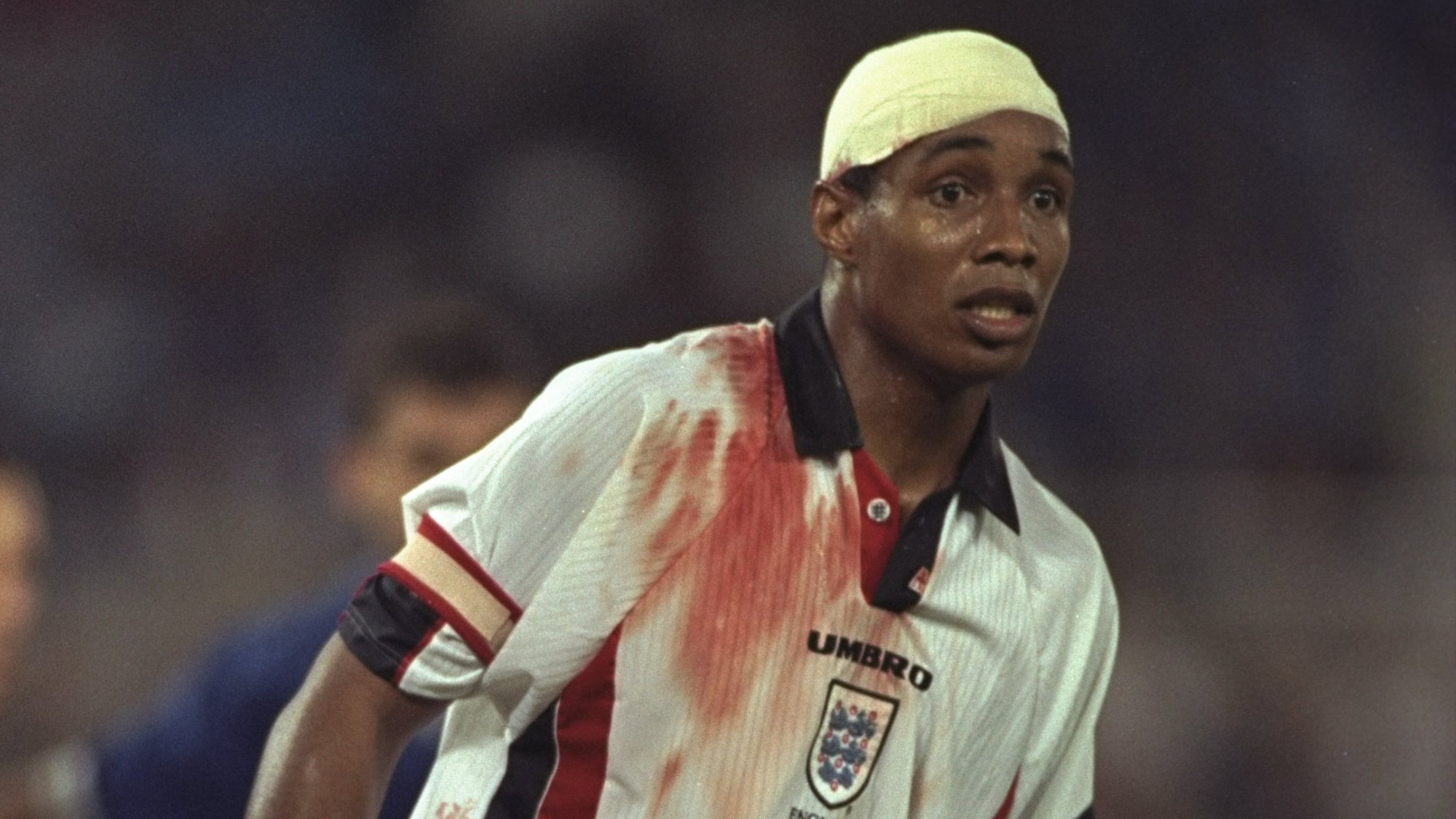 Who was the first black player to captain England's national team
That casualness—the simple "of course they're English"—is the victory Arthur never got to see. It's a quiet revolution. Every time a Black player scores a last-minute winner and the crowd roars as one, a little piece of Arthur Wharton's ghost smiles from the historical stands.
Little-known fact: Wharton's original gravestone in Edlington, Yorkshire, was unmarked for decades. It was only in 2003 that fans and historians raised funds to give him a proper headstone. Sometimes, history just needs a little nudge from those who care.
Lessons from a Muddy Pitch
What can we take from Arthur's story into our daily lives? First, don't let the box define you. He was a goalkeeper who could out-sprint horses, a missionary who chose sport over scripture, a polymath of physical expression. He refused to be one thing.
Second, pioneering is lonely. If you're the first person in your family to go to college, or the first in your office to suggest a new idea, you'll feel the weight. Arthur felt it. He kept going anyway, even when the crowd was quiet and the pay was poor.
Finally, small steps create giant leaps. Arthur didn't set out to change English football forever. He just wanted to play. And in doing so, he opened a door that, once cracked, could never be fully closed again. So next time you're the odd one out in a room, remember the goalkeeper who dove through the mud for a game that wasn't yet ready for him. He made it ready. And so can you.
