How To Buy Manuka Honey

So, you’ve decided to buy Manuka honey. Congratulations—you’ve officially entered the world of sticky, overpriced, life-changing goop. But let’s be real: this isn’t your groce...
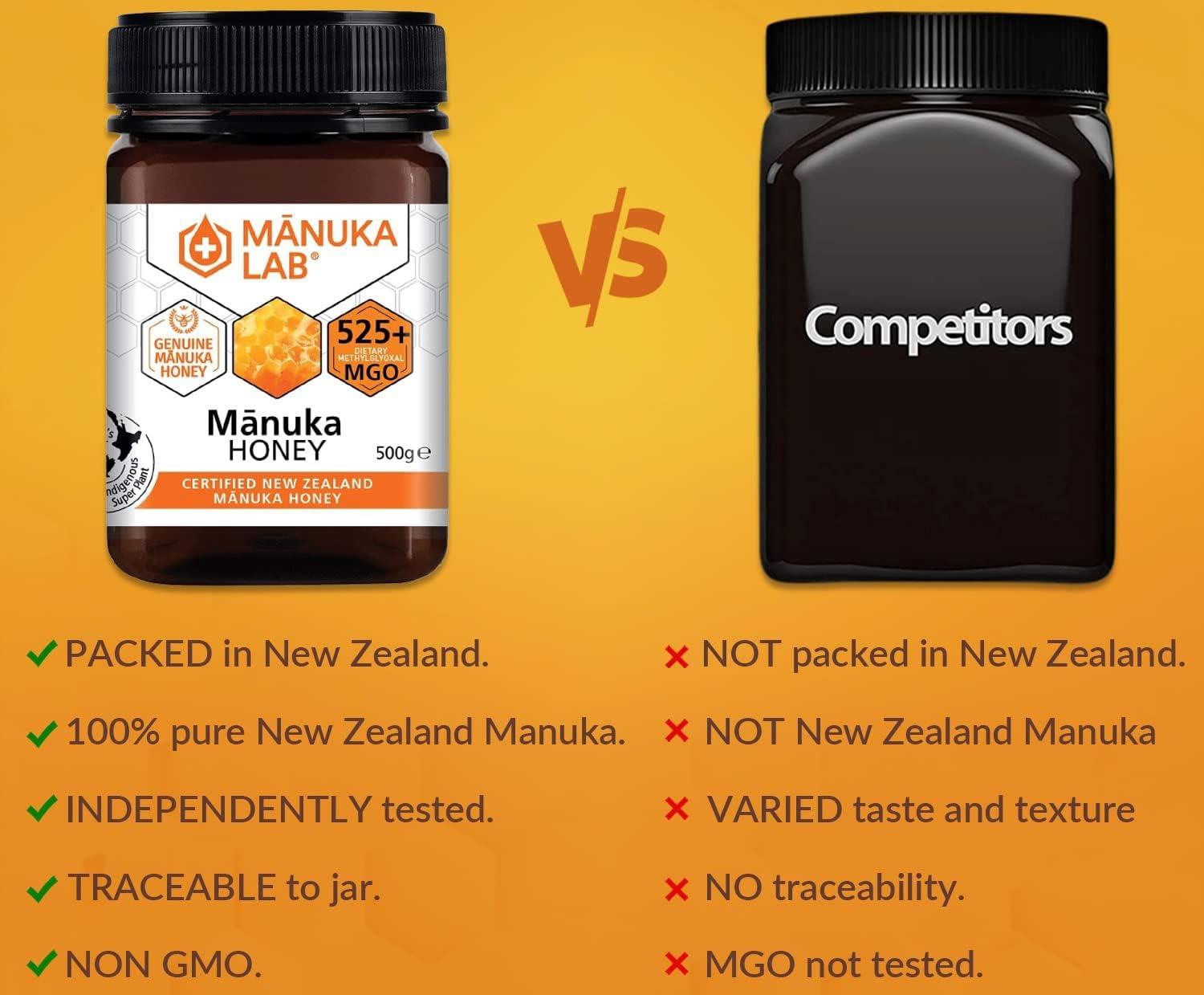
So, you’ve decided to buy Manuka honey. Congratulations—you’ve officially entered the world of sticky, overpriced, life-changing goop. But let’s be real: this isn’t your grocery store bear-shaped squeeze bottle. Manuka is the Mercedes-Benz of honey, the honey that went to college, got a degree in microbiology, and now charges $80 for a tiny jar. Don’t panic—I’m here to help you avoid buying a jar of overpriced sugar water that your neighbor’s aunt swears “cured her gout.”
First things first: what’s the big deal?
Manuka honey comes from New Zealand bees that go absolutely feral for the Manuka bush’s flowers. These bees produce something magical: methylglyoxal (MGO), a compound that makes this honey more antibacterial than a kindergarten teacher’s hand sanitizer. Fun fact: regular honey is basically sugar with a PR team. Manuka honey is sugar that punches bacteria in the face.
But here’s where it gets funny: not all Manuka honey is created equal. In fact, some jars are so fake they’d make a counterfeit Rolex blush. Your mission, should you choose to accept it, is to sort the gold from the glue. Ready? Let’s dive into the sticky swamp.
Must Read
The Rating System: UMF vs. MGO (Yes, it’s a nerd fight)
Look at the label, and you’ll see letters like UMF or MGO followed by a number. This isn’t a secret code for honey illuminati—it’s the ranking of how much magic is inside. UMF stands for Unique Manuka Factor, and it’s the gold standard. A UMF of 10+ is good for daily use, like putting it on toast or coping with a bad Monday. A UMF of 15+ is serious wound-healing stuff—the kind that would make your grandma’s Vicks VapoRub jealous. Anything below UMF 10? That’s basically fancy cough syrup, and you’re paying for the New Zealand Instagram vibe.
MGO is the sciencey number—it measures methylglyoxal directly. Don’t stress: UMF 10+ roughly equals MGO 263. If you see a jar that says “Active 5+” but has no UMF or MGO number, run. That honey is a liar and probably got its “active” status from a motivational poster. Remember: real Manuka is tested by independent labs, not by the guy who owns the beehive and a questionable beard.
The Fake Honey Trap (and how to avoid it)
Picture this: you’re in a fancy health store, and you see a jar of “Manuka Honey” for $12. It looks amber, smells like flowers, and has a cute label with a bee wearing sunglasses. Do not buy it. That honey is probably 99% corn syrup and 1% memories of New Zealand. Real Manuka honey costs as much as a nice steak dinner because it’s tested, tracked, and literally traced from the hive to your spoon. Fun fact: Some fake Manuka is actually just “kanuka honey,” which is like buying a Labrador and calling it a wolf—close, but no bite.
Here’s your checklist: every legitimate jar must have a UMF or MGO rating on the front label, plus a license number from the UMF Honey Association. If you see “Manuka Style” or “Manuka Flavored,” that jar is committing honey fraud. Also, real Manuka honey doesn’t drip off a spoon like regular honey—it’s thick, like molasses that’s been hitting the gym. Do the “spoon test” by dipping a spoon in and turning it sideways. If it drips off like a sad water balloon, it’s fake. If it hangs on like a stubborn toddler, you’ve got the real deal.
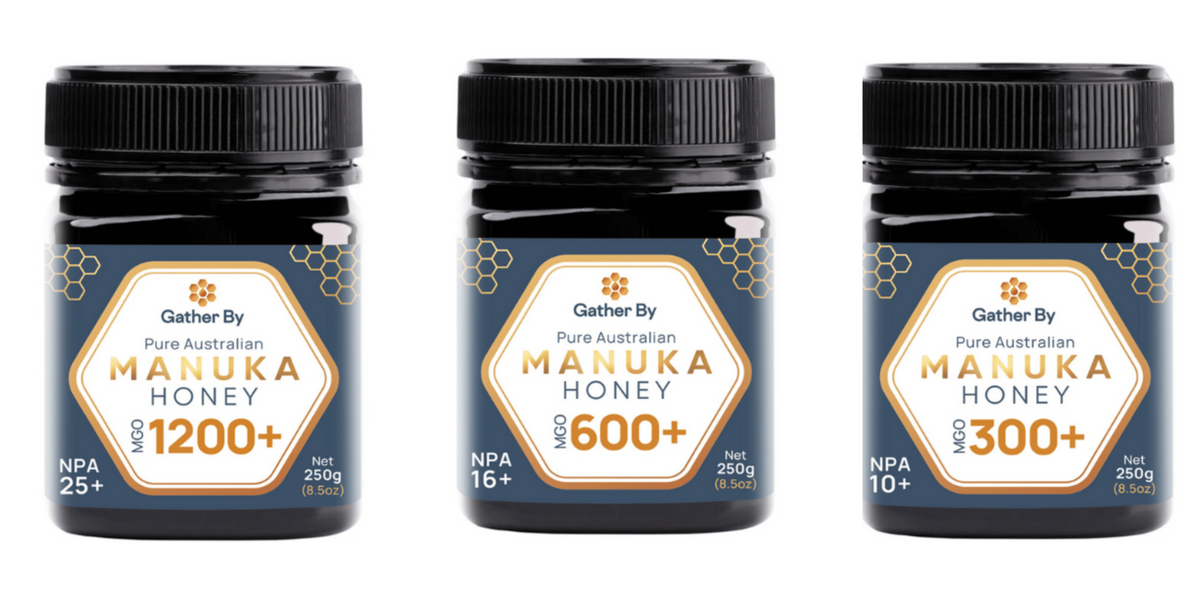 Manuka Honey Australia | Buy Pure High MGO Manuka Honey
Color and Taste: The Gut Check
Real Manuka honey is dark, almost like caramel with a suntan. It has a pungent, medicinal taste that some people describe as “earthy” and others describe as “licking a pine tree covered in antibiotics.” If it tastes like clover honey from the supermarket, it’s not Manuka. Pro tip: If you sneeze after tasting it, that’s the antibacterial clouds clearing your sinuses—or you’re just allergic to spending money. Either way, you’ll remember it.
Now, don’t fall for the “raw unfiltered” hype. All Manuka honey is raw by nature because heating it would kill the good stuff, so any jar labeled “raw” is just stating the obvious—like saying “water is wet.” But watch out for jars with weird crystals at the bottom. A little crystallization is normal (honey does that), but big sugar chunks mean the honey was cut with corn syrup. Yes, people do that. The audacity.
The Price is Painful, But Worth It
Be prepared to spend between $30 and $100 for a decent 250g jar of UMF 10+. If you see a jar for under $20, I promise you: it’s either fake, expired, or made by a single bee with a second job. The high price comes from testing, certification, and the fact that Manuka bushes only bloom for six weeks a year. That’s like if coffee beans only showed up once a year and threw a party you had to pay to attend.
Here’s the kicker: you don’t need to buy UMF 20+ unless you’re treating an actual flesh wound or running a survivalist blog. For daily use—like stirring into tea or spreading on toast—UMF 10+ is plenty. Splurge on UMF 15+ if you have a cold or want to impress your friends with your “biohacker” lifestyle. Anything above that is for people who have more money than sense, or people who’ve just been stung by a jellyfish. Fun fact: Manuka honey can actually kill antibiotic-resistant bacteria in lab tests. That’s not me exaggerating—that’s actual science.
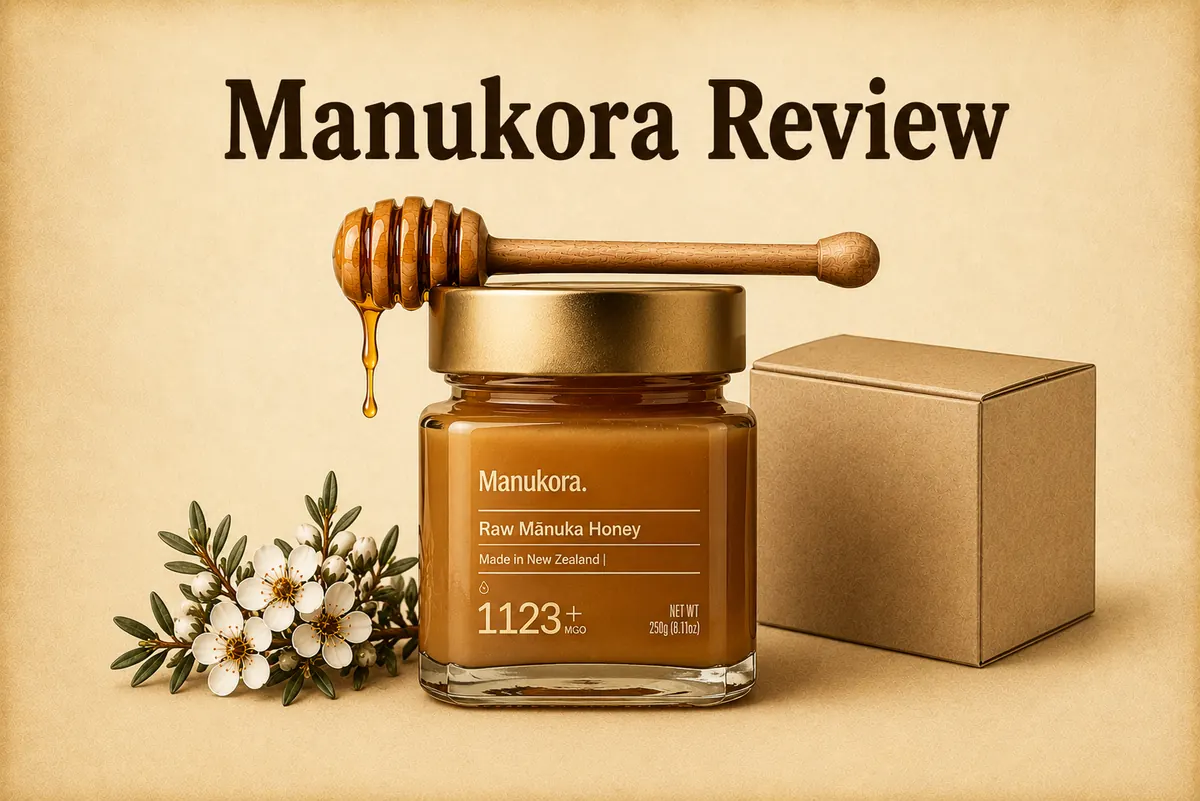 Where to Buy Manukora Manuka Honey: Authorized Channels and Pricing
Where To Actually Buy It
Skip Amazon for now—too many third-party sellers with generic labels that look like they were designed in Microsoft Paint. Go to a reputable health food store or buy directly from a certified New Zealand brand like Comvita, Manuka Health, or Streamland. These brands post their UMF test results online, so you can sleep easy knowing your honey didn’t come from a shady urban beeyard in New Jersey.
Also, check the batch number on the jar. A real jar will have a code you can plug into the brand’s website to verify authenticity. If the website says “This batch number does not exist,” you’ve just bought honey-flavored disappointment. Immediately return it and write a scathing review about “the emotional damage.”
The Final Lick
Buying Manuka honey is like buying a used car: you need to check the papers, ignore the flashy paint, and assume everyone is lying until proven otherwise. But once you find the real stuff, you’ll never go back. It’s sweet, medicinal, and faintly insane—just like this entire journey. One final tip: never, ever heat Manuka honey above 104°F (40°C). That kills the methylglyoxal, and then you’re just eating expensive syrup with a better story. So go forth, brave shopper, and buy that golden, antibacterial treasure. Your immune system will thank you. Your wallet will not.
Now go find your honey. And maybe a second mortgage.
