Can Cake Flour Be Substituted For All Purpose Flour

So, you’re staring into your pantry, a recipe for fluffy cupcakes in hand, and all you see is a bag of all-purpose flour. That box of cake flour is taunting you from the groce...
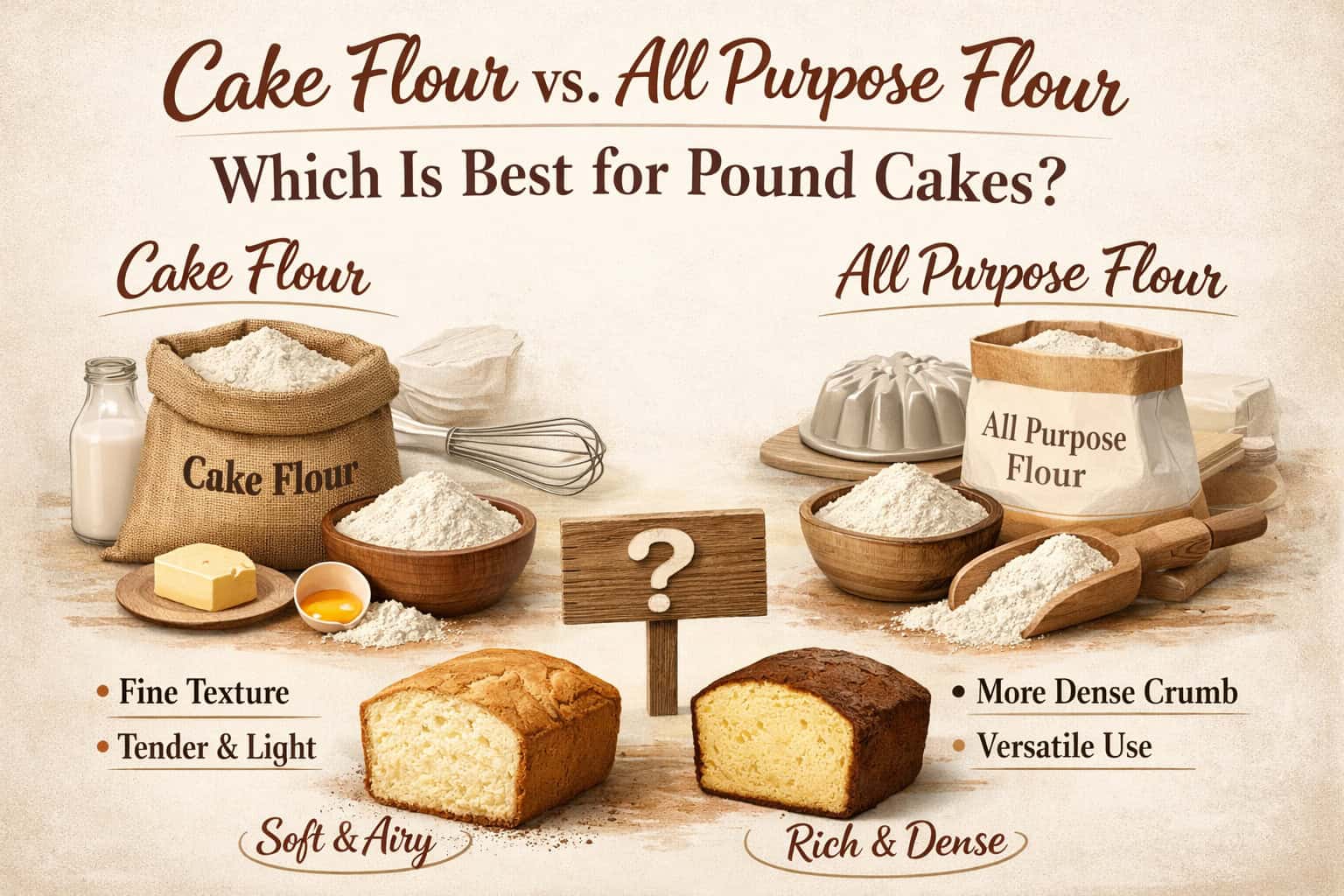
So, you’re staring into your pantry, a recipe for fluffy cupcakes in hand, and all you see is a bag of all-purpose flour. That box of cake flour is taunting you from the grocery list you forgot. Can you just swap them? Let’s get into the grain of things.
The Lowdown on Flour Personalities
Think of all-purpose flour as your reliable, middle-of-the-road friend. It’s strong enough for chewy cookies but gentle enough for quick breads. Cake flour, on the other hand, is the delicate, high-maintenance artist of the flour world.
It’s made from soft wheat and has a lower protein content. Lower protein means less gluten formation, which is exactly why it creates that tender, velvety crumb you love in a classic white cake.
Must Read
Why does this matter? Gluten is the network that gives structure; too much makes baked goods tough. Cake flour’s superpower is keeping things soft and light—like a cloud you can eat.
So, Can You Just Swap?
Short answer: Yes, but it’s not a 1-to-1 deal. If you substitute cake flour for all-purpose in a cookie recipe, you’ll get a more delicate, crumbly cookie. That’s cool, right? But if you use all-purpose in a delicate chiffon cake, you might get a dense, rubbery disc instead of a lofty dream.
Here’s the fun part: we can hack it. If you only have cake flour and need all-purpose, just don’t overmix your batter. The lower protein actually helps prevent that tough texture from overworking it.
But what if you have all-purpose and want that cake-flour tenderness? You can fake it! For every cup of all-purpose flour, remove two tablespoons. Then add two tablespoons of cornstarch. Sift it three times. You’ve just lowered the protein content artificially. It’s a kitchen magic trick.
When It’s Awesome to Substitute
Imagine making pancakes or scones with cake flour. They’ll come out unbelievably light and fluffy. It’s like giving your breakfast a spa day. For denser items like banana bread or muffins, using cake flour might make them a bit too delicate—they could crumble apart like a shy handshake.
Cake flour also absorbs liquid differently. It tends to soak up more liquid than all-purpose. So if you swap, you might need to add a splash more milk or reduce the flour slightly. Your batter should look shiny, not stiff.
A fun comparison: using all-purpose in a cake recipe is like wearing heavy boots to a ballet—it works, but you lose the grace. Using cake flour in a bread recipe is like wearing ballet slippers to a hike—you’ll get squished.
 Cake Flour Substitute - by Budget101
The Science-y (but Fun) Part
Let’s get nerdy for a second. All-purpose flour has about 10-12% protein. Cake flour clocks in at 7-9%. That tiny difference is like the difference between a handshake and a hug. Lower protein = less gripping action between flour and water.
This also means cake flour is bleached most of the time. Bleaching weakens the proteins further and changes the starch so it gels better. That’s why cake flour looks so bright white. Unbleached all-purpose is pale, like it skipped a suntan.
If your recipe calls for bleached flour, don’t panic. Unbleached all-purpose works fine; your cake will just be a bit denser and slightly less white. No one at the party will judge your pale cake.
What About Gluten-Free or Other Flours?
We’re not going there today, but just know that almond flour and coconut flour play by completely different rules. They’re like aliens compared to cake and all-purpose. Stick with wheat-based flours for this swap game.
One more hot tip: if you’re making a genoise or sponge cake, use cake flour. The lower protein helps the eggs hold air without making the cake tough. For cookies and pie crusts, all-purpose is the better partner because you want some chew and flake.
So, can you substitute? Absolutely, with a little thought. It’s not a crime; it’s a creative experiment. Your cake might be a little different, but hey—that’s what makes baking fun, right?
Next time you swap, pay attention to the texture. Feel how the batter looks. Taste the difference. It’s like learning a new dance step with an old partner. And honestly? A slightly denser cake is still cake. And cake is always a good idea.
