Difference Between Dutch Apple Pie And Apple Pie

Alright, let’s settle this once and for all. You’re at a bakery, staring at two slices of pie that look suspiciously similar. One is labeled “Apple Pie,” the other “Dutch Appl...
Alright, let’s settle this once and for all. You’re at a bakery, staring at two slices of pie that look suspiciously similar. One is labeled “Apple Pie,” the other “Dutch Apple Pie.” What gives?
Are they secret twins? Distant cousins? Or is one just wearing a fancy hat? Grab a fork, my friend, because we’re diving into the delicious drama of the crumb topping versus the lattice crust.
The Big, Crumbly Difference
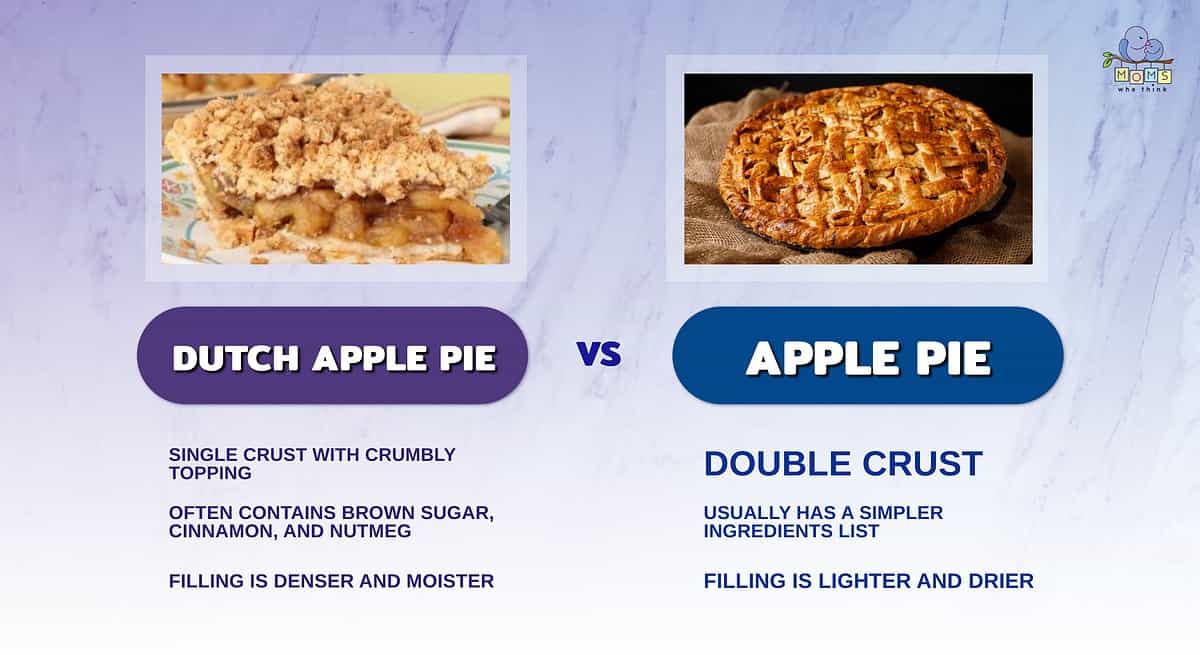
The real star of this show is what sits on top. A classic American apple pie has a top crust—usually a second layer of pastry, often cut into a lattice or just a solid sheet with steam holes. It’s flaky, buttery, and thoroughly baked.
Must Read
A Dutch Apple Pie, on the other hand, says “No thanks, I prefer a crunchy hat.” It swaps the top crust for a glorious, golden streusel topping—a mixture of flour, butter, sugar, and often cinnamon or oats. It’s like a cookie crumble that says, “I’m here to party.”
So, crust vs. crumble. That’s the headline, folks. Everything else is just supporting cast.
Why the Dutch Rebellion?
Legend has it that Dutch settlers in America got creative. They were known for their gebak (pastries) and thought, “Why bother rolling out another dough when we can just sprinkle happiness on top?”
This streusel topping is quicker, less fussy, and gives you a texture party in every bite. It’s also a genius move because it hides any slightly lumpy apple filling underneath. Nobody has to know.
Plus, the word “Dutch” here doesn’t mean it’s from the Netherlands—it’s more of a American immigrant invention. It’s like a fusion food that became a legend. Take that, cultural purity!
The Filling: The Only Thing They Agree On
Here’s the plot twist: the inside is almost identical. Both pies use apples (usually tart ones like Granny Smith or Honeycrisp), sugar, cinnamon, maybe a splash of lemon, and a thickener like flour or cornstarch.
Some Dutch apple pies add a little raisin or currant for sweetness, but that’s optional. Don’t let anyone tell you it’s mandatory—raisins are a personal choice, like pineapple on pizza. We won’t judge.
So, if you close your eyes and ignore the top, you’re eating the same warm, spiced apple goodness. The drama is all in the crown.
The Texture Showdown
Classic apple pie is about balance. You get a flaky, pastry top, a soft apple middle, and a buttery bottom crust. Every bite is a journey through layers. It’s elegant, like a well-pressed shirt.
Dutch apple pie is a sensory explosion. The crumb topping is crunchy, the apples are soft, and the whole thing feels like a hug from a baker who loves butter. It’s messy, it’s glorious, and it begs to be eaten with your hands.
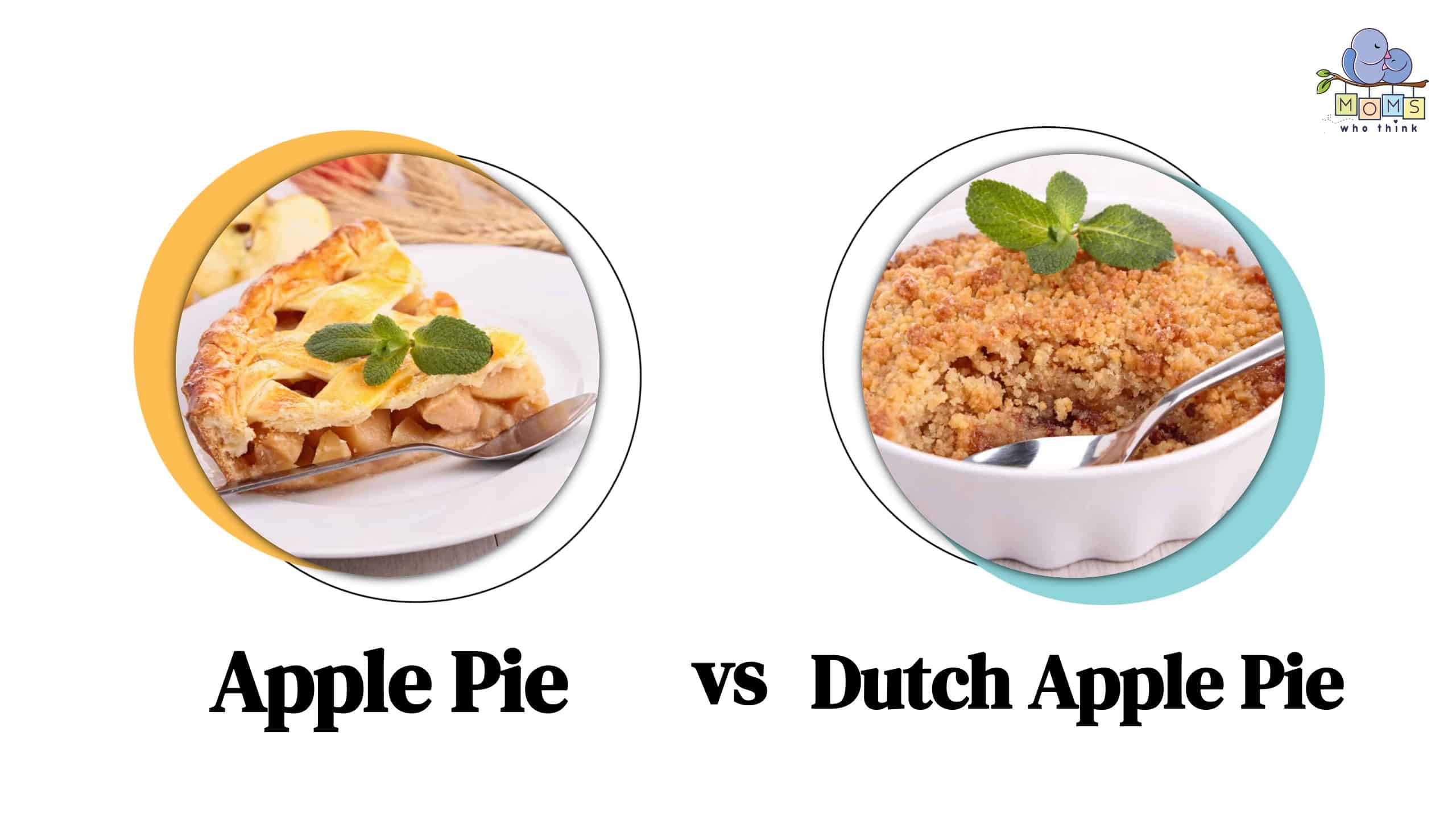 Dutch Apple Pie vs. Apple Pie: What's the Main Difference
Which is better? That’s like asking if you prefer hugs or handshakes. Both are good, but one will get crumbs on your shirt.
The Serving Style: Vanilla vs. Verve
Classic apple pie is often served a la mode—with a scoop of vanilla ice cream. The cold ice cream melting over the warm crust is a romance novel in a bowl. It’s timeless.
Dutch apple pie? It’s often eaten just as it is, or with a dollop of whipped cream. The crumb topping is so good you don’t want to cover it up. It’s like putting a hat on a hat—unless that hat is whipped cream, which is always allowed.
Some bold souls even add a drizzle of caramel on top of a Dutch slice. If you do that, you’re basically a pie superhero. Congratulations.
The Warmth Factor
Here’s a secret: Dutch apple pie is more forgiving. Serve it cold, and the crumb topping still has a little crunch. Heat it up, and it becomes a gooey, buttery masterpiece. It’s like a friend who’s fun at every party.
Classic apple pie needs to be warm. Cold lattice crust is sad. It becomes hard and clings to your teeth like a bad memory. Always reheat the classic pie, people. You’ve been warned.
So, if you’re lazy (or in a hurry), Dutch pie is your lazy-day champion. If you have time to fuss, the classic is your reward.
The Verdict? There Is None—Just Eat Pie
Look, arguing about pie is like arguing about which puppy is cuter. They’re all good, and you’re winning by eating one. The Dutch version wins if you want a crunchy, buttery, low-fuss dessert with maximum texture. The classic wins if you’re a purist who loves the ritual of a flawless crust.
But let’s be real: the real difference is between having a slice and not having a slice. A world without apple pie (of any kind) is a sad, sad place. A world where you’re eating a slice of either? That’s a world that makes sense.
So next time you’re at the bakery, just grab a slice of whichever looks better. Or get both. Be a rebel. Be a pie-ologist. And remember: the only bad pie is the one you didn’t get to eat.
Go forth, my friend. Eat the pie. Love the pie. Be the pie. Or at least, be the person who brings it to the next party. You’ll be a hero. Crumb or crust, it doesn’t matter—you’ll have made the world a slightly sweeter place. Now pass the fork.
