How To Make Pasta Sauce Using Tomato Paste

So there I was, staring into the abyss of my pantry. The fridge was a sad landscape of mustard jars and a single, aging carrot. I had a serious hankering for spaghetti, but no...
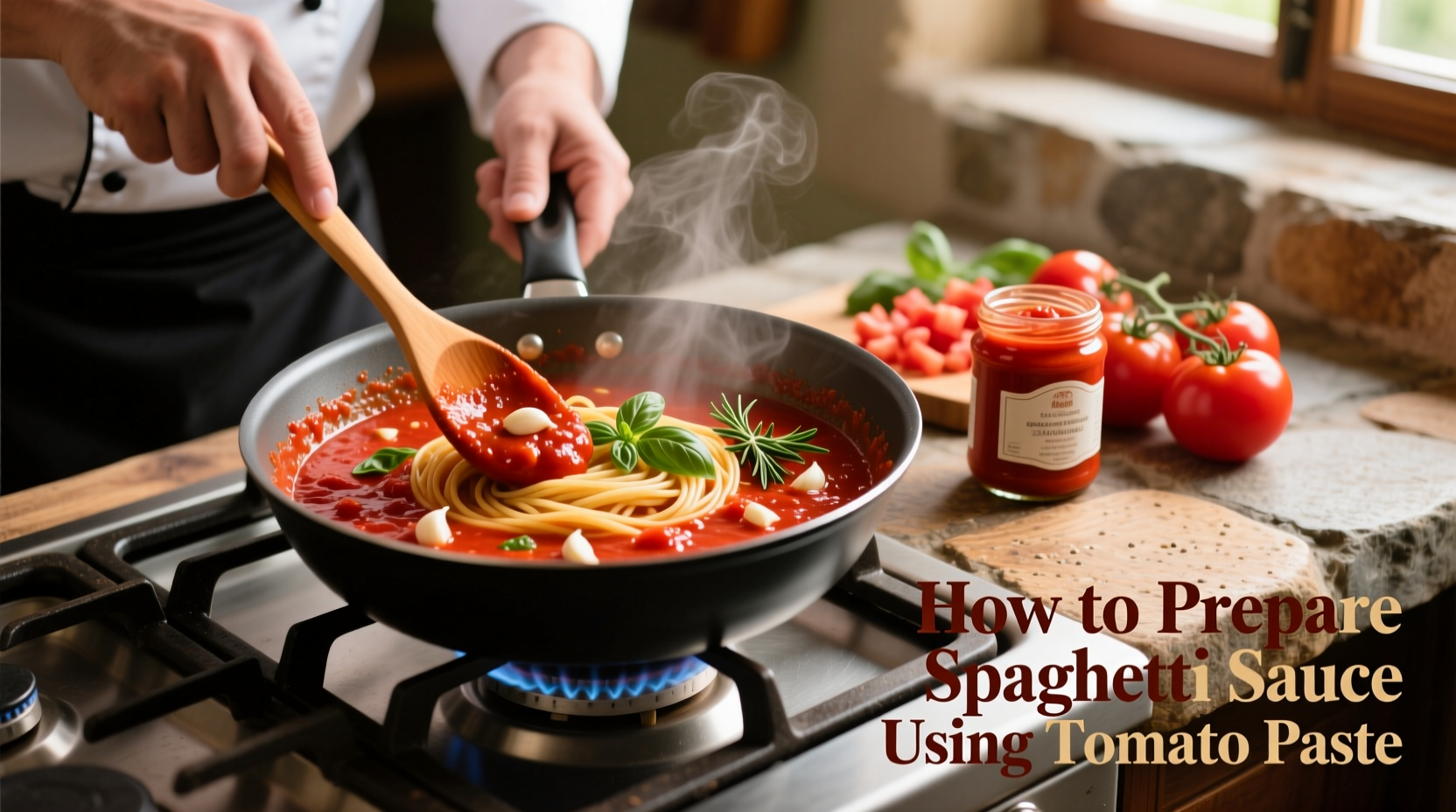
So there I was, staring into the abyss of my pantry. The fridge was a sad landscape of mustard jars and a single, aging carrot. I had a serious hankering for spaghetti, but no fresh tomatoes, no garlic—just a lonely can of tomato paste. I almost cried, until I remembered a trick my nonna (okay, my friend’s nonna) once whispered: “The paste is the power, kid.” She was right, of course, and that night, I made the best sauce of my life from a tube of red goo.
Let’s be real: fresh tomato sauce is a beautiful dream, but tomato paste is the practical, budget-friendly hero we need. It’s already cooked down, super concentrated, and packed with umami. You don’t need a garden or a farmers’ market; you just need a $1.50 can and a little bit of patience. And hey, you’re probably reading this because you’re hangry and your pantry is as sad as mine was. I see you.
The Secret Is in the Sizzle
Here’s the biggest mistake people make: they just dump the paste straight into the pot and call it a day. That’s like wearing socks with sandals—technically functional, but so wrong. The trick is to fry the paste in oil first. This is called “double-cooking,” and it changes everything.
Must Read
Scoop that entire can of paste into a skillet with a generous glug of olive oil over medium heat. (Side note: use a skillet, not a deep pot—more surface area, more magic.) Let it sizzle for about two to three minutes, stirring constantly, until it darkens to a brick-red color and smells almost nutty. That is the sound of flavor being born. You’ll smell it, and your neighbors will start knocking.
Do not walk away to check your phone here. Burnt paste tastes like regret. Stir it like you’re mixing a potion—which you sort of are.
Water Isn’t Your Enemy, But Broth Is Better
Once your paste is gloriously fried, it’s time to thin it out. Most recipes say “add water,” but I raise you a forkful of sarcasm: use chicken or vegetable broth instead. Unless you’re a purist, in which case, fine—use water, but know you’re missing out on a flavor depth that whispers “I cooked for hours.”
Add about two cups of liquid to the pot, stir, and let it bloop gently. You’ll see it transform from a thick blob into a silky, reddish sauce. It’s basically alchemy. If it’s too thick? Add more liquid. Too thin? Simmer it longer. You are the boss of this sauce. Act like it.
Your Pantry Is a Symphony (Just Add Salt)
Now, the seasoning. You don’t need to buy a spice rack the size of a Volkswagen. Start simple: salt, pepper, and a pinch of sugar. The sugar cuts the paste’s natural acidity, because tomato paste can be a little sharp on its own. Even my nonna (the wise one) tossed in a pinch of sugar, and she’d curse me out for telling you that.
:max_bytes(150000):strip_icc()/classic-tomato-pasta-sauce-recipe-3992836-step-04-c773bb5a1ee74405baacca5b6d648ccf.jpg) Using Tomato Paste For Sauce | Pasta Sauce Using Tomato Paste – PBXWHP
Using Tomato Paste For Sauce | Pasta Sauce Using Tomato Paste – PBXWHP
After that, add dried oregano and a bay leaf if you have them. If you don’t, use onion powder or garlic powder. I bet you have those. (See? I know your kitchen.) The idea is to build layers without going broke. A dash of red pepper flakes? Now you’re talking. A splash of balsamic vinegar? Boom—fancy restaurant vibes for pennies.
The Long Simmer (or the Quick One)
Ideally, you’d let this baby bubble on low for 30 to 40 minutes. That lets the paste fully marry with the oil and spices. But if you’re starving after a long day—and I know you are—just simmer it for 10 minutes. It’s not “authentic,” but authenticity doesn’t fill your belly when you’re cranky. It will still be delicious. I promise on my stack of stained cookbooks.
If you have time, toss in a pat of butter at the end. Butter and tomato paste are like old friends who’ve been through a lot together. It’ll make the sauce glossy and rich. Your tastebuds will high-five you.
The Finish Line (and a Pro Tip)
Right before you serve, stir in a splash of the pasta cooking water—about a quarter cup. That starchy water is liquid gold, helping the sauce cling to every noodle like a cozy sweater. This is the difference between a sauce and a puddle. Abandon that water down the drain at your own risk.
Pour your sauce over al dente spaghetti, rigatoni, or even spoon it onto a sandwich (don’t judge). Garnish with parmesan or a flake of dried basil if you’re feeling fancy, but honestly? It’s perfect as is. You just made a luxurious, iron-rich, deeply savory sauce from a humble can of paste. You should feel proud, maybe a little smug.
So next time you’re stranded with a can of tomato paste, don’t despair. Embrace the red blob. Fry it, season it, and own it. Your pantry is not a wasteland—it’s a treasure chest you just didn’t know how to unlock. Now go eat. You earned it.
