Difference Between Vanilla Flavor And Vanilla Extract

Let’s talk about a kitchen catastrophe that’s been festering for decades: the Great Vanilla Identity Crisis. On one shelf sits a humble little bottle labeled “vanilla extract,...

Let’s talk about a kitchen catastrophe that’s been festering for decades: the Great Vanilla Identity Crisis. On one shelf sits a humble little bottle labeled “vanilla extract,” and on the other, a suspicious plastic jar screaming “vanilla flavor.” They look similar, but one is the culinary equivalent of a handshake, and the other is a secret society handshake with a snake. It’s time to end the madness, one sniff at a time.
The Real Deal: The One That’s Been to Therapy
Vanilla extract is the mature, well-adjusted sibling. It’s made by soaking real vanilla beans in alcohol and water for months, like a very slow, very expensive spa treatment. The alcohol pulls out hundreds of flavor compounds, creating a complex, boozy perfume that makes cookies sing. It’s basically the wine of the baking world—expensive, refined, and best enjoyed after a long, stressful day.
The Imposter: The One That Went to Vegas
Vanilla flavor, or imitation vanilla, is the loud cousin who shows up to Thanksgiving wearing sequins. It’s made in a lab from vanillin, the primary chemical compound responsible for that vanilla smell, often derived from wood pulp or fossil fuels. Yes, you can bake a cake that tastes faintly of petroleum. It’s cheap, it’s brash, and it’s the reason some store-bought cookies remind you of a plastic toy store.
Must Read
The Smackdown: Why Your Nose Knows
Here’s the shocking truth: imitation vanilla is monstrously powerful. Because it’s just one loud molecule, it dominates your taste buds like a toddler on a sugar rush. Real extract is a choir of hundreds of subtle notes—woody, floral, creamy, raisiny—that whisper “I’m sophisticated” while your cake quietly weeps with joy. Put them in a blind test, and 9 out of 10 people will say the imitation tastes “more vanilla-y.” That’s because it’s lying.
But wait—here’s the kicker. If you’re baking a cake that will be slathered in chocolate frosting or loaded with sprinkles? Use the cheap stuff. The heat and sugar will mask its cheapness, and nobody will know you’re a flavor fraud. However, if you’re making a delicate custard, a naked angel food cake, or anything served to a food critic named Jean-Luc? Pull out the real extract. It’s the difference between a kiss and a handshake with a raccoon.
The Price is a Punchline
Real vanilla extract can cost $30 for a tiny bottle, while imitation vanilla costs about the same as a sad cup of coffee. Why? Because vanilla beans are grown by hand on tropical orchids in Madagascar, Mexico, and Tahiti. The vines are pollinated by hand by a tiny bird, or more commonly, by humans using a toothpick. Actually, it’s mostly humans with toothpicks, and they have to do it before sunrise. That’s the origin story of your expensive birthday cake, people. Imitation comes from a chemical plant that probably smells like a high school science lab after a vape pen incident.
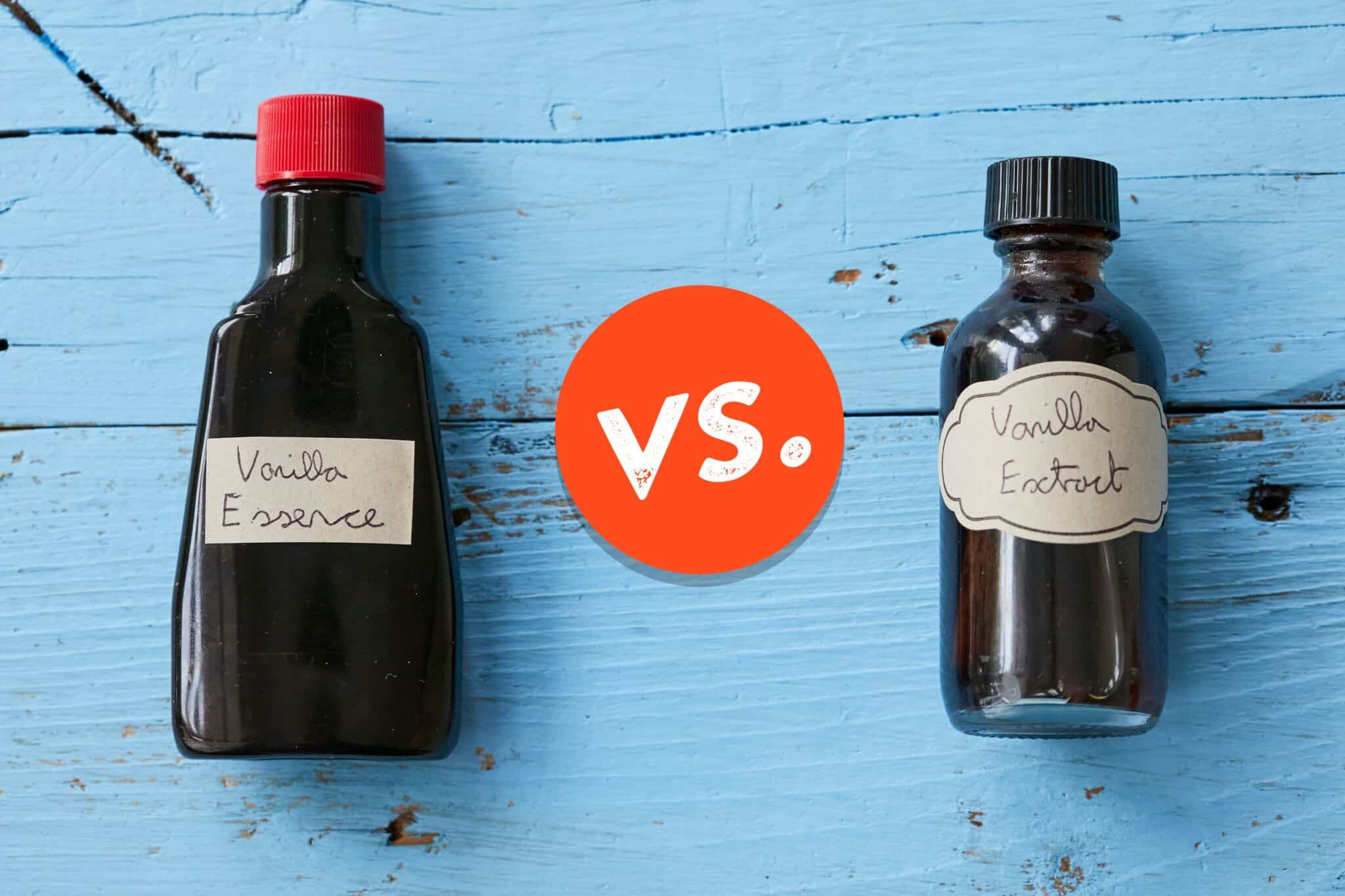 Is Vanilla Flavouring The Same As Vanilla Extract | Detroit Chinatown
Surprising Fact: Your Grandma Was Wrong
Remember Grandma swearing that “only real vanilla is worth the effort”? She was right for soufflés, but wrong for chocolate chip cookies. In a famous Cook’s Illustrated test, expert tasters preferred the cookies made with imitation vanilla, because the flavor was more pronounced and playful. Yes, the secret to your family’s legendary cookie recipe might be a cheap bottle of fake stuff. Grandma would have rolled in her grave, but she’d also have asked for seconds.
Also, real vanilla extract can go bad. It’s alcohol-based, but over many years, the flavor can fade and become bitter. Imitation vanilla is immortal like a Twinkie—it will outlive all of us and probably be served at the end-of-the-world bake sale. Pick your apocalypse wisely.
The Verdict: When to Play the Fool
Let’s keep it simple. If you’re making something where vanilla is the star—like a panna cotta, crème brûlée, or a vanilla buttercream you’d write poetry about—spend the money on real extract. Your taste buds will thank you with a standing ovation. For everything else—pancakes, boxed cake mix, banana bread you’re hiding from your diet—go wild with the imitation. It’s cheaper, it’s louder, and it will get the job done with a wink and a nudge.
And remember this gem: “vanilla flavor” is not the same as “vanilla extract.” If you see “vanilla-flavored” on a label, it’s usually the cheap stuff. If you see “pure vanilla extract,” you’re holding the good stuff. If you see “vanilla bean paste,” you’ve won the lottery (small black flecks, hugging you). The next time you’re in the baking aisle, stare into those two bottles and ask yourself: Am I a culinary poet or a party criminal? There’s no wrong choice, only delicious, delicious lies.
