How Long Should Cake Cool Before Removing From Pan

You’ve done it. You’ve channeled your inner pastry god, pulled a golden, fragrant cake from the oven, and now your kitchen smells like a hug from a grandmother you never had....
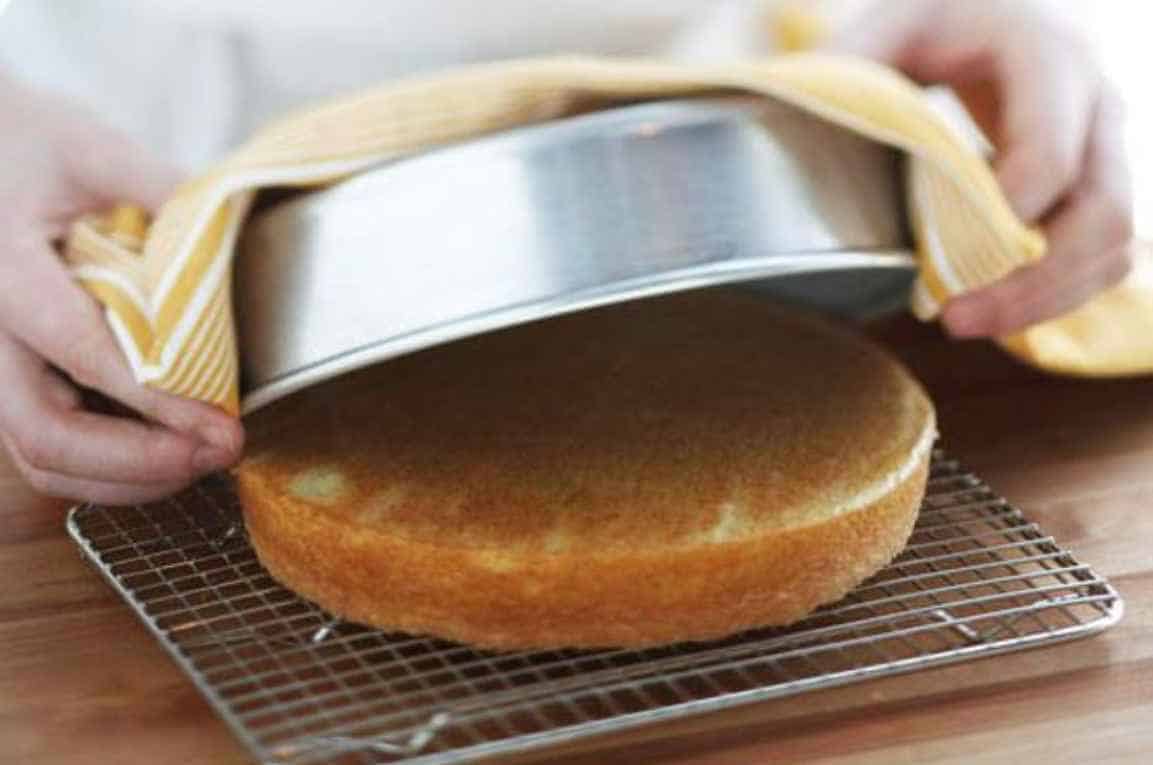
You’ve done it. You’ve channeled your inner pastry god, pulled a golden, fragrant cake from the oven, and now your kitchen smells like a hug from a grandmother you never had. But then comes the great question, the one that has ruined more bakers than burnt sugar: How long do I let this glorious thing cool before I pry it from its metal prison? If you dive in too soon, you get a crumbly, tragic mess. If you wait too long, the cake sweats and sticks, and you end up eating it with a spoon from the pan, crying softly.
The short answer? Let it rest in the pan for about 10 to 20 minutes, depending on the cake. Yes, that’s a window, not a law. Think of it as the cake’s moment of existential crisis—it needs time to figure out what it wants to be when it grows up. Most standard butter cakes, pound cakes, and coffee cakes fall into this sweet spot. Dense cakes like fruitcake? They’re stubborn. They need a solid 30 minutes, or they’ll hold onto the pan like a toddler clings to a dirty teddy bear.
The Goldilocks Zone of Cake Cooling
Why can’t you just flip it out the second it’s out of the oven? Because heat is the enemy of structure. A hot cake is a fragile, jiggly mess. The starches and eggs are still setting, like Jell-O that hasn’t finished its meditation retreat. If you invert a hot cake, gravity turns it into a pile of delicious rubble. It’s not a torte; it’s a tort—as in, you’ve been tortured watching it fall apart on your counter.
Must Read
But wait, there’s a twist. Angel food cake is the dramatic rebel of the baking world. You know the rule? No greasing the pan. You must cool it upside down—usually hanging from a bottle’s neck like a weird, fluffy showpiece. Why? Because its structure is held together by air and egg whites, and flipping it immediately is the only way to stop it from collapsing into a sad pancake. The universe wants you to suffer, but at least it gave us angel food cake to test our patience.
Here’s a surprising fact: The pan matters more than you think. A dark metal pan absorbs heat like a vampire in a sunbeam, so your cake will finish baking faster and cool down slower. That means you should leave it in the dark pan for a shorter cooling period—maybe 10 minutes—or the bottom will essentially steam itself into glue. A glass pan is worse; glass holds heat like a grudge, so let that cake rest for the full 20 minutes. I learned this after a glass-pan incident that left me scraping cake fragments off a Pyrex dish with a butter knife, questioning my life choices.
The "Too Late" Danger Zone
So you waited the 10 minutes. Good. But what if you get distracted by a TikTok video about raccoons opening doors, and suddenly it’s been 40 minutes? Disaster. The cake has now cooled completely, and the fats and sugars have solidified into a bond that would make superglue jealous. When you try to flip it, half the cake stays in the pan, laughing at you. The trick is to run a thin, flexible spatula around the edge of the pan before you give it the final flip. That’s your pre-emptive strike against stickiness.
Still, there’s an exception to everything. Cheesecake is not a cake; it’s a lie. It’s a custard that pretends to be a cake. For cheesecake, you must cool it completely in the pan, then refrigerate for at least four hours, preferably overnight. Rushing a cheesecake is like rushing a soufflé—you will be punished by the baking gods. I once tried to flip a cheesecake after 20 minutes, and it splattered across my floor like a dairy-based crime scene. My dog was thrilled. I was not.
 How Long Does It Take for Cake to Cool? Speed It Up! - The Tasty Tip
Let’s talk about pound cake, the workhorse of the dessert world. It’s so dense that it can handle a little hiking, but it still needs patience. Cool it in the pan for 15 minutes, then turn it out onto a wire rack. And here’s a pro tip from a baker who learned the hard way: Don’t use a flimsy wire rack. A fragile rack will bend under the weight of a good pound cake, and then you’ll watch it slowly slide off like a lazy otter into the abyss. Use a sturdy rack. Your future self will thank you.
The Verdict (And a Little Propaganda)
If you are a normal human making a normal cake—like a chocolate or vanilla layer cake—10 to 15 minutes in the pan is your sweet spot. Then, flip it out, let it finish cooling on a rack until it’s room temperature. That’s usually another hour. Yes, an hour. I know, you want to eat it now. But a warm cake is a fragile cake, and trying to frost a warm cake is like trying to ice a downed power line—dangerous and messy.
Here’s the final, shocking truth: Most store-bought cakes are frozen before they’re decorated. Bakeries freeze their layers because it makes them easier to handle and frost. So if your homemade cake needs an hour to cool, that’s actually faster than the pros. You’re basically a superhero. Now go forth, set that timer, and resist the siren song of impatient cake-eating. Your reward will be a perfect, intact slice that doesn’t taste like regret.
And if all else fails? Just call it a “deconstructed cake” and serve it in a bowl with ice cream. That’s the unofficial baker’s safety net. You’re welcome.
