Which Airlines Have The Most Accidents

Let’s be honest: we’ve all Googled it. Right before a flight, you might feel a flutter of anxiety and wonder, “Wait, which airlines crash the most?” It’s a morbid curiosity, s...
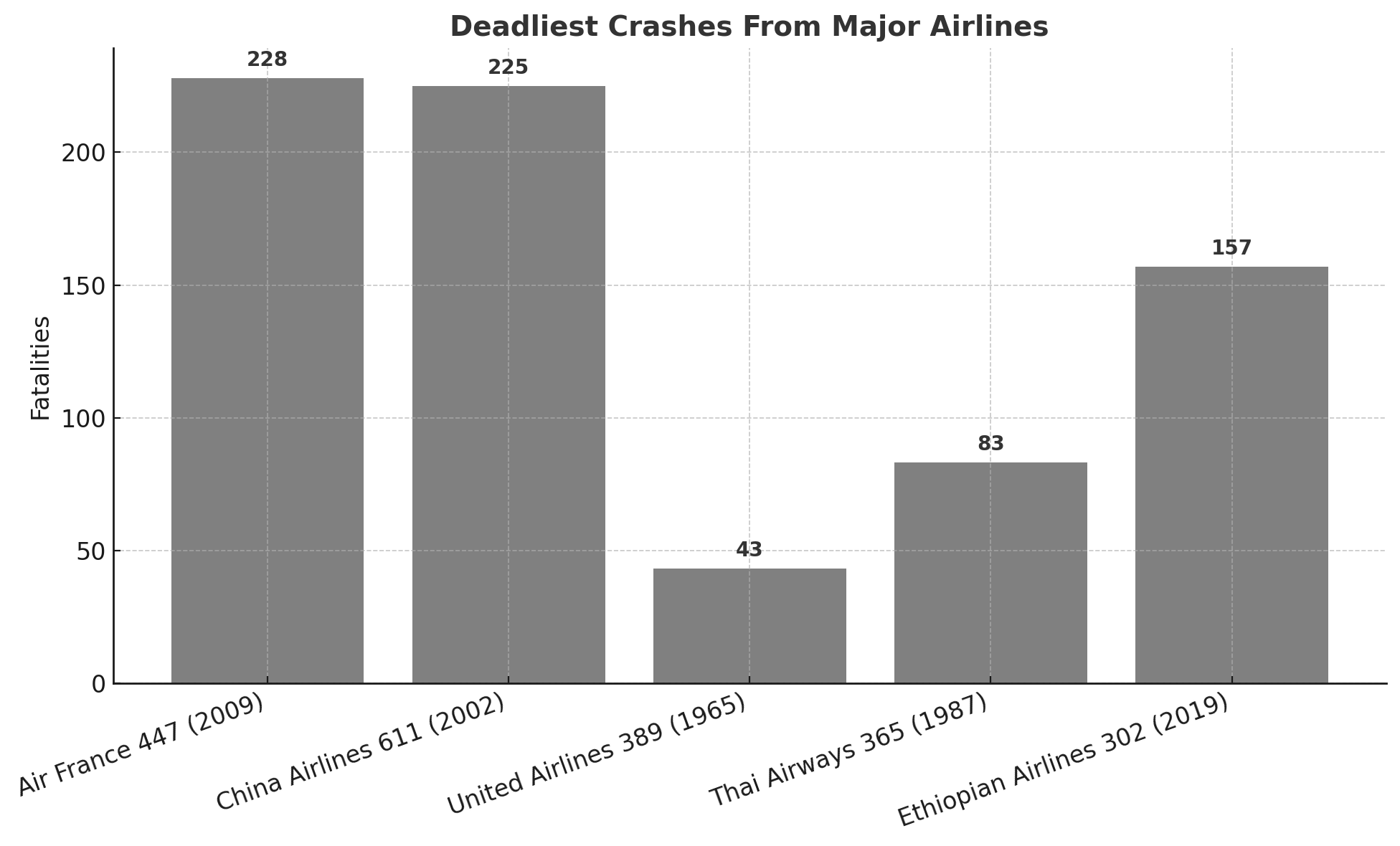
Let’s be honest: we’ve all Googled it. Right before a flight, you might feel a flutter of anxiety and wonder, “Wait, which airlines crash the most?” It’s a morbid curiosity, sure, but it’s also human nature to seek safety in the face of the unknown. The good news? Your chances of being in a fatal accident are astronomically low—you’re more likely to be struck by lightning while holding a winning lottery ticket. But if you want to fly with extra peace of mind, understanding the data is a smart move.
The Numbers Don’t Lie (But They Do Need Context)
When we talk about “accidents,” aviation nerds separate them into two categories: hull losses (planes written off) and fatal crashes. The most famous data comes from the Airline Safety Network and Boeing’s Statistical Summary. Spoiler: airlines in developing regions, particularly Africa and parts of Asia, have historically had higher accident rates due to older fleets and less rigorous oversight.
Does that mean you should avoid Africa entirely? Absolutely not. African carriers like Ethiopian Airlines and Kenya Airways have made massive safety leaps. The real list of riskier airlines tends to include names you’ve probably never heard—small operators in conflict zones or budget carriers with poor maintenance histories. You’re not booking a ticket on Air Koryo (North Korea’s airline, which has a notoriously bad safety record) anytime soon, right?
Must Read
The Usual Suspects: A Few Specific Examples
Let’s get granular. According to historical data from the JACDEC (Jet Airliner Crash Data Evaluation Centre), airlines like Pakistan International Airlines and Lion Air (Indonesia) have had higher-than-average accident counts. Lion Air, for instance, had a string of issues before the tragic 2018 Boeing 737 MAX crash, though the MAX problem was a design flaw, not a lapse by the airline itself.
Windrose Airlines (Ukraine) and SCAT Airlines (Kazakhstan) also pop up on some “higher risk” lists, mostly due to aging Soviet-era fleets. But here’s the kicker: many of these airlines have since retired those old planes. The industry is incredibly self-correcting; once a pattern emerges, regulators step in. Fun fact: Finnair hasn’t had a single fatal passenger crash since 1963—they’re basically the unicorn of aviation safety.
The Breathtaking Truth About “The Worst” Airlines
If you dig into the raw numbers, you’ll find that the most accidents aren’t concentrated on one brand. Instead, they’re tied to specific eras. For example, Aeroflot (Russia) used to hold the record for most fatalities, but that’s mostly due to its massive fleet size during the Soviet Union—it had a lot of flights, so a lot of accidents. Modern Aeroflot is a different beast entirely, with an excellent safety push.
Then there are the “black sheep” of the budget world: Ryanair has a terrible reputation for customer service, but zero fatal accidents. Meanwhile, Alaska Airlines had one famous accident (the 2009 fuselage failure) but is otherwise squeaky clean. The moral? Don’t judge an airline by its Instagram comments.
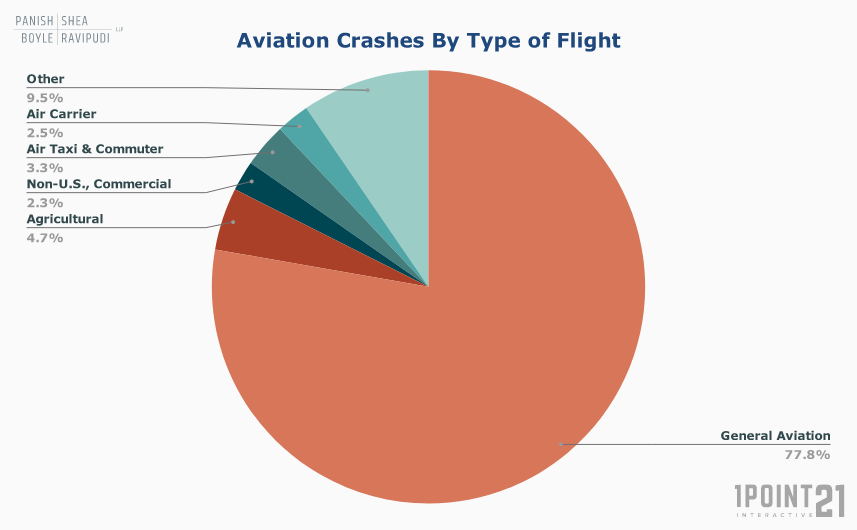 Plane Crash Survivors Rate
Practical Tips for the Anxious Flyer
Before you book, check the AirlineRatings.com safety list—they update it annually with a star system. Look for a seven-star rating, which most major Western airlines (Delta, Qantas, Emirates, Singapore Airlines) hold. Another pro move: use the FlightRadar24 app and check the aircraft’s age; planes older than 25 years without a recent retrofit might give you pause, but it’s not a dealbreaker.
An easy rule: fly on airlines from countries with strict regulatory bodies. The US, Europe, Australia, Japan, and the UAE have incredibly rigorous oversight. If you’re in a region where you’re unsure, stick to the flag carrier—they tend to be better funded and maintained. Also, always choose a flight that’s non-stop. Most accidents happen during takeoff, landing, or descent—so fewer segments mean fewer risks.
The Cultural Angle: Why We Fixate on Fear
There’s a reason we obsess over plane crashes: they’re rare, dramatic, and absolutely terrifying. We don’t talk about the 40,000 car fatalities per year in the US with the same intensity. It’s the Bayesian fallacy—our brains prioritize vivid, rare events over mundane, dangerous ones. Think of it this way: you’re more likely to be injured by a vending machine than in a plane crash.
A fun fact to share at your next dinner party: Qantas has been called “the world’s safest airline” for a reason—they haven’t had a fatal accident since 1951. Their safety culture is so legendary that they invented the black box flight recorder. Another one: Emirates has a perfect safety record since its founding in 1985—zero hull losses from operational accidents. That’s unreal for a major carrier.
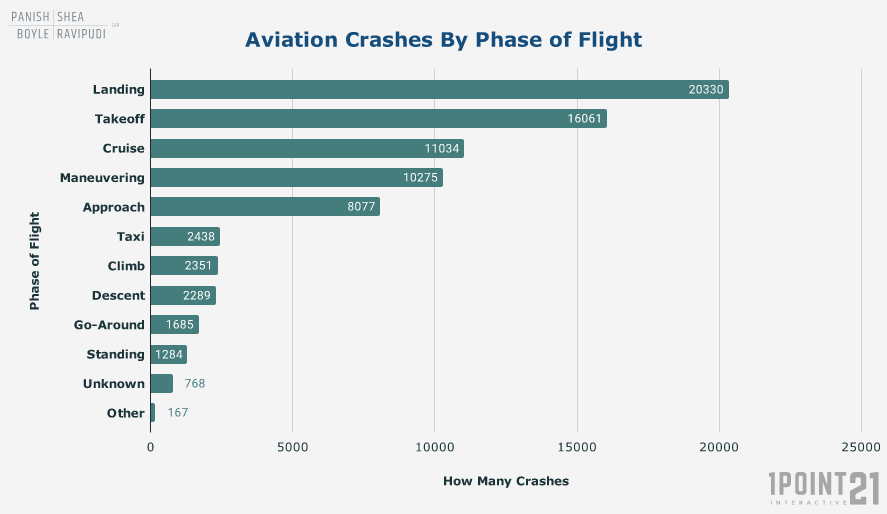 Aviation and Plane Crash Statistics | Updated 2026
A Quick List of Current “Most Accidents” Leaders (Statistically)
Based on recent data from the Aviation Safety Network, here’s a small (and fluid) snapshot. Remember: these numbers change yearly. Lion Air has had several incidents since 2010, including the 737 MAX crash. Pakistan International Airlines had a 2020 crash in Karachi. Air India has a mixed history due to older fleet issues, but they’re under new management. Columbia’s Avianca has a good record but had a 2019 fatal crash in Mexico—a rare event. Russian carriers as a group (Aeroflot, S7, Utair) have had more mishaps due to maintenance and weather challenges.
For a more positive spin: Southwest Airlines has a perfect passenger fatality record (until a 2018 engine rupture killed one person—but no crash). JetBlue has zero fatalities in its history. Virgin Atlantic? Same. The point is that the “worst” lists are often based on old data that no longer applies.
Connecting It to Daily Life
So, which airlines have the most accidents? The answer isn’t as satisfying as a simple villain—it’s a complex, shifting graph of geography, regulation, and luck. What’s more useful is this: choose airlines with a culture of transparency. That same anxiety you feel about flying? Use it to embrace the gift of modern safety. You’re strapping into a metal tube that’s been engineered by thousands of geniuses, maintained by obsessive technicians, and flown by pilots who train for a decade.
When you step off the plane safe and sound, that’s your moment to reflect. You just did something statistically safer than crossing the street. So next time you’re in turbulence, take a breath. The math is on your side, and you’ve already won the lottery of modern travel. Now go order that pretzel and relax—you’ve earned it.
