Is Balsamic Reduction The Same As Balsamic Glaze

So you’re staring at a grocery shelf, holding a bottle of syrupy dark liquid. It says “Balsamic Glaze,” but your recipe calls for “Balsamic Reduction.” You start sweating, won...

So you’re staring at a grocery shelf, holding a bottle of syrupy dark liquid. It says “Balsamic Glaze,” but your recipe calls for “Balsamic Reduction.” You start sweating, wondering if you’re about to ruin dinner or just make it slightly more pretentious. Relax. I’ve been there, standing in aisle six, having a low-stakes existential crisis over vinegar.
Let’s cut to the chase: Balsamic reduction and balsamic glaze are basically the same thing, like how a “sidewalk” and a “pavement” are the same thing depending on where you live. One is just the homemade version you babysit on the stove, and the other is the store-bought friend who shows up already dressed for the party. They are both regular balsamic vinegar that has been cooked down until it becomes thick, sweet, and sticky enough to glaze a ham or make a boring plate of strawberries look like a Michelin star production.
The Kitchen Science You Didn’t Ask For
When you reduce balsamic vinegar, you are basically boiling the water out of it until it gets all thick and syrupy, like turning a puddle into a puddle of maple syrup. The result is a concentrated, sweet-tart magic that won’t run off your plate like a scared cat. A glaze is literally the same liquid, often with a bit of sugar or cornstarch added by the manufacturer to speed things up. It’s the difference between baking a cake from scratch and using a box mix—both get you dessert, but one requires you to watch a pot and not answer your phone.
Must Read
I once tried to make balsamic reduction while distracted by a true crime podcast. Fifteen minutes later, my kitchen smelled like a vinegar factory exploded, and I had a pot of what looked like licorice-flavored tar. That’s the risk. A store-bought glaze saves you from that “oops, I burned the reduction” panic, but it also saves you from the smug pride of saying, “Oh, I reduced it myself.”
The “I’m Fancy for No Reason” Factor
Let’s talk about usage, because this is where the everyday connection hits home. You drizzle a reduction or glaze over a caprese salad, and suddenly you’re a person who owns a cheese board and uses the word “drizzle” unironically. You put it on roasted brussels sprouts, and your kids act like you just served them candy. The truth is, both work the exact same way. You can dip bread in it, glaze a salmon fillet, or even paint it on a pork chop like you’re an artist and dinner is your canvas.
The only real difference you’ll notice is texture and sweetness. A homemade reduction is usually more pure—just vinegar, heat, and time. A commercial glaze often has added sugar, so it’s a little sweeter and thicker right out of the bottle. It’s like comparing a black coffee to a latte with vanilla syrup. Both are coffee. Both will wake you up. But one makes you feel like you’re sipping in a fancy café, and the other makes you feel like a professional who has their life together.
The “Wait, Is This a Scam?” Test
You might be wondering: why do stores sell a $8 bottle of glaze when you could just buy $5 balsamic vinegar and boil it down yourself? Well, because time is a thing, and nobody wants to stand over a stove stirring vinegar while their toddler asks for a snack for the 47th time. The store-bought version is a convenience tax, like buying pre-chopped onions. You’re paying for someone else to do the boring work.
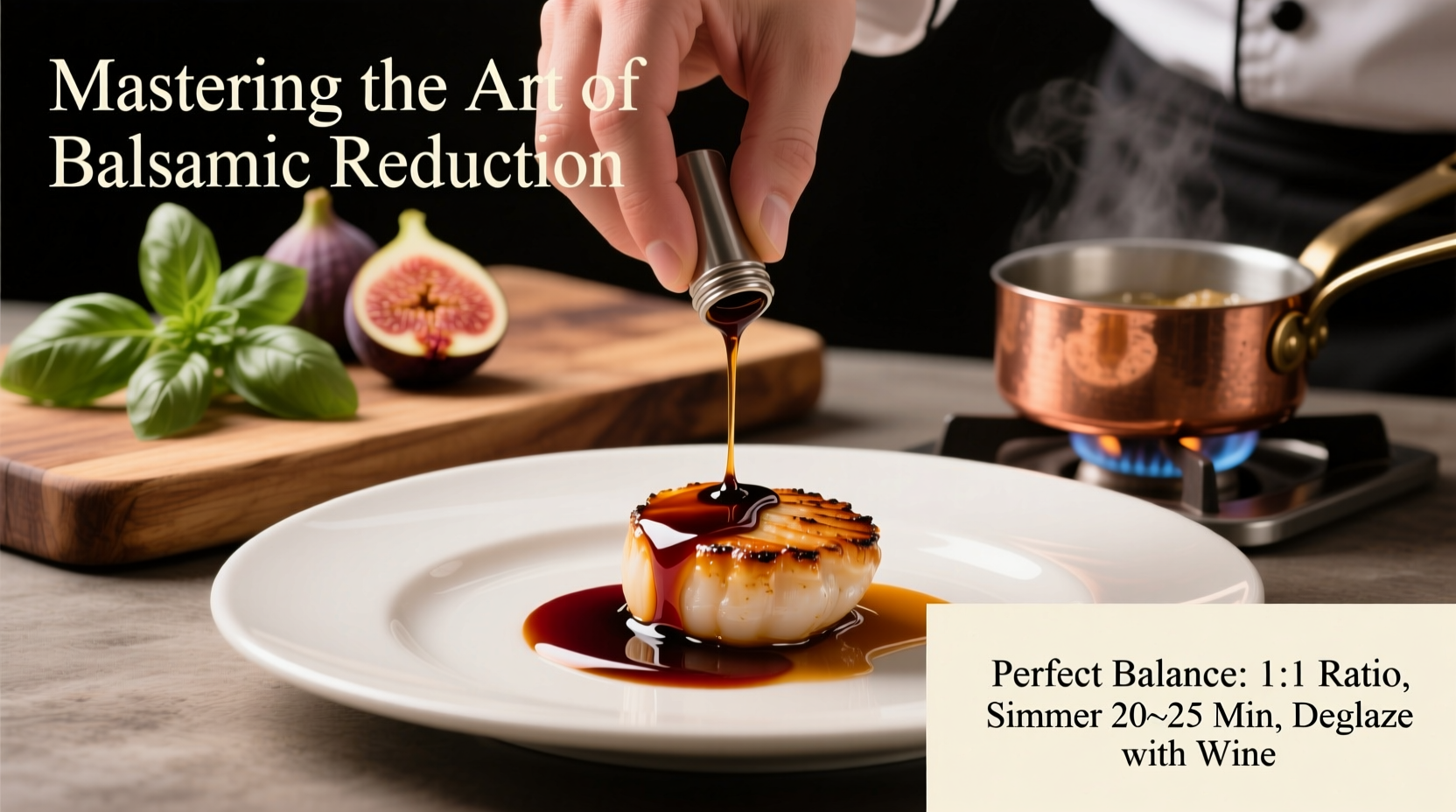 Mastering The Art Of Balsamic Reduction Tips For A Perfectly Balanced
That said, if you buy a “balsamic reduction” in a fancy bottle, you are probably paying more for the same stuff they call “balsamic glaze” in a regular bottle. It’s a marketing miracle, like how “oven-baked chips” are still just chips. Don’t overthink it. Just grab whichever one is cheaper and has a label that doesn’t look like it was designed by a confused intern.
When Not to Fake It
Here’s the one scenario where you shouldn’t substitute: if you are making a delicate dish where every ingredient matters, like a fancy strawberry balsamic dessert. A homemade reduction can be a bit more acidic and less sugary, which gives a better balance. But let’s be real—most of us are just trying to get dinner on the table without covering everything in ketchup. For everyday use? They are interchangeable. Use the glaze. Use the reduction. Nobody at your dinner table will know the difference, and if they do, they can go make their own reduction and learn what burnt vinegar smells like.
I once used a store-bought glaze on a salad, and my friend asked, “Wow, did you make this reduction yourself?” I smiled and said yes. I’m not proud of that lie, but I’m also not sorry. The point is, the end product was delicious, and I saved myself a pot to scrub.
The Bottom Line for Your Next Dinner
So, is balsamic reduction the same as balsamic glaze? Yes, in the same way that a “home-cooked meal” and a “takeout container” are both food when you’re hungry. One is the DIY project, and the other is the shortcut. Both are totally valid, and both will make your roasted veggies look like a chef made them. Just don’t pay $12 for a tiny bottle of “artisanal reduction” when the “balsamic glaze” next to it is half the price.
Go ahead, buy the glaze. Reduce it yourself if you’re feeling ambitious. But whatever you do, don’t boil it on high heat while you fold laundry. I learned that the hard way, and my smoke detector still holds a grudge. Now, go drizzle something. You’ve earned it.
