Vanilla Extract To Vanilla Bean Paste Conversion

Let’s be real for a second: that little bottle of vanilla extract in your pantry is doing the heavy lifting. It’s the quiet MVP of cookies, cakes, and even your morning oatmea...
Let’s be real for a second: that little bottle of vanilla extract in your pantry is doing the heavy lifting. It’s the quiet MVP of cookies, cakes, and even your morning oatmeal. But lately, you’ve seen recipes calling for something a bit more glamorous—vanilla bean paste. What’s the deal? And more importantly, how do you swap one for the other without turning your kitchen into a science lab?
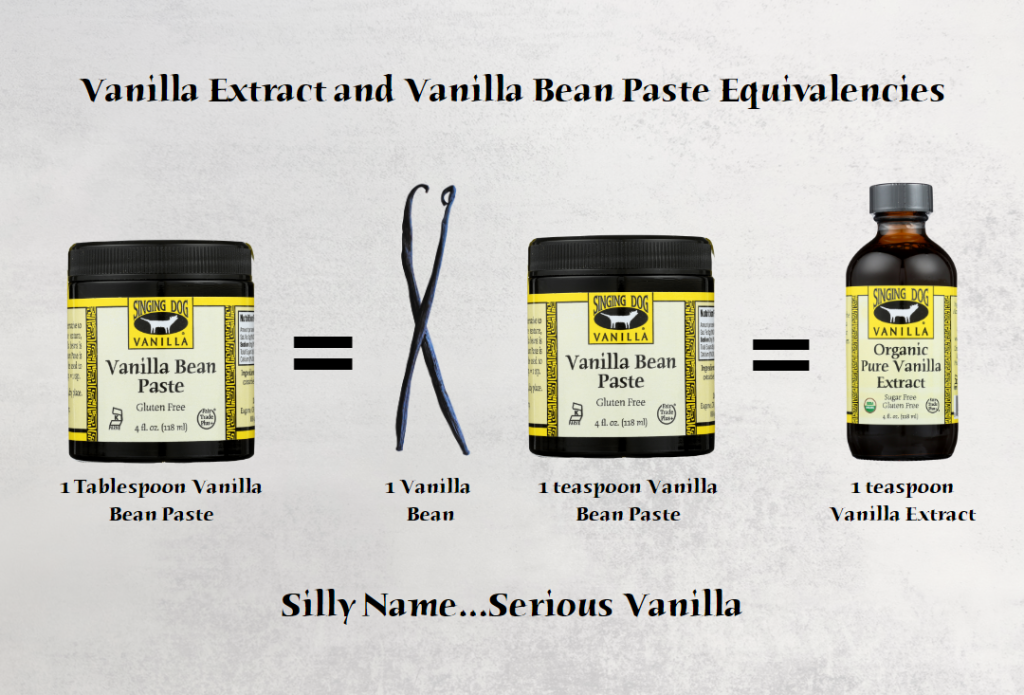
Here’s the good news: the conversion is almost laughably simple. One teaspoon of vanilla extract equals one teaspoon of vanilla bean paste. Yes, it’s a straight 1:1 ratio. No math degree required. This means you can dive into that fancy French custard recipe using the paste you just bought on a whim, and your grandmother’s extract-based sugar cookies will still taste like home.
So why does the paste even exist? It brings texture and those gorgeous, tiny black vanilla flecks that whisper “I know what I’m doing in the kitchen.” Extract is essentially vanilla flavor dissolved in alcohol, while paste is a syrup infused with ground vanilla seeds. The paste gives you the look of scraping a real bean without the hefty price tag or the arm workout.
Must Read
The Flavor Factor: Is There a Real Difference?
Let’s talk taste, because that’s what we’re all here for. Extract delivers pure, bright vanilla notes—classic, clean, and reliable. Vanilla bean paste, on the other hand, feels deeper and more rounded, almost syrupy and rich. It’s like comparing a clear bell chime to a warm cello note—both are beautiful, but they hit differently.
For most recipes, your friends won’t taste a dramatic difference. But in simple dishes—think vanilla ice cream, crème brûlée, or a naked buttercream—the paste’s flecks and depth steal the show. Pro tip: When you’re making something clear, like a vanilla glaze or panna cotta, stick with extract. The paste’s dark specks can muddy the visual if you’re going for that luminous, translucent vibe.
If you’re baking a chocolate cake, however, feel free to use paste without a second thought. Chocolate is a bossy ingredient; it will mask those little flecks anyway. Save the fancy stuff for recipes where vanilla is the star, like a classic vanilla pudding or a glossy pastry cream.
Practical Conversion Cheat Sheet (Save This!)
Here’s your go-to guide, because nobody wants to Google mid-whisk. 1 teaspoon vanilla extract = 1 teaspoon vanilla bean paste. For whole vanilla beans, one bean equals roughly 1 tablespoon of paste or 1 tablespoon of extract. That’s a bit more flexible, so don’t stress the exact grams.
When swapping in paste for extract, remember that paste usually contains sugar or invert syrup. If your recipe calls for a lot—like, say, three tablespoons—you might want to reduce the sugar in your batter slightly. A good rule: trim by one teaspoon of sugar per tablespoon of paste. But honestly, for everyday baking? Don’t bother. The flavor win is worth the tiny sugar bump.
And here’s a fun fact: vanilla bean paste keeps longer than you think. While extract can last indefinitely (thanks, alcohol), paste stays happy in the fridge for about a year. If you see crystals forming on top—that’s normal. Just stir or warm the jar gently in a bowl of hot water before using.
Cultural Comeback: Why Vanilla Never Gets Old
Vanilla has a surprising PR history. Ancient Mexicans (the Totonac people) first cultivated it, and the Aztecs used it to flavor chocolate drinks. Yes, chocolate and vanilla were best friends long before Valentine’s Day. Today, the vanilla bean is the second most expensive spice after saffron, mostly because the orchid needs human hands to pollinate each flower. That is why paste feels like a luxury without the bees and the hand-pollination drama.
 No-Fuss Homemade Vanilla Extract: Conversion and Steps Included
When you splash in that paste, you’re tapping into a tradition spanning centuries. From Madagascar (king of the vanilla world) to Tahiti (floral and fruity), each region gives its beans a personality. Paste often blends multiple origins, but high-quality versions will tell you where the beans came from—so read the label like a wine label.
Pro tip for the adventurous: Try using vanilla bean paste in savory dishes. A tiny smear in a butternut squash soup or a roasted chicken glaze? Pure alchemy. It’s the subtle surprise that makes guests ask, “What’s in this?” and then you get to feel like a genius.
Three Little-Known Vanilla Hacks
#1: Add a pinch of salt to any vanilla dessert—extract or paste—to amplify the floral notes dramatically. Seriously, it’s like turning up the volume on a quiet song. #2: If your paste is too thick to measure cleanly, microwave the jar for five seconds. It loosens right up. #3: Store your paste in the fridge door, not the back. It’s easier to remember and the cool temperature stays consistent.
For holiday baking, the paste is your secret weapon. Those flecks in a sugar cookie look like you spent hours scraping beans, when really you just cracked open a jar. That is the kind of kitchen elegance we all deserve—effortless but impressive. Think of it as the lipstick of baking: a little goes a long way, and it makes everything look more intentional.
A Spoonful of Reflection
In a world that constantly demands more, vanilla reminds us that a simple depth is often the most satisfying. Whether you’re using extract for its no-fuss reliability or paste for its romantic flecks, you’re bringing warmth into your kitchen—and into the lives of the people you feed. That little jar isn’t just an ingredient; it’s a quiet invitation to slow down.
So next time you’re staring at the two bottles, remember: both belong in your pantry. Use extract for the everyday, the quick weeknight treat, the casual scoop of ice cream. Use paste when you want the magic to show—when you want the audience to see the work and taste the love. Either way, you’re not just baking; you’re making memories that smell like home.
And if you’re still unsure? Just grab whichever one is closer. The world will still smell wonderful, and your dessert will still disappear. That’s the beauty of vanilla—it never judges, it only enriches.
